Introduction
Iron-deficiency anemia is one of the most common nutritional disorders globally. It occurs when your body lacks enough iron to make healthy red blood cells. Since red blood cells carry oxygen, low iron levels can greatly affect energy, immunity, and overall well-being. Many people experience symptoms without realizing the cause. This blog explains the symptoms, causes, and treatments of iron-deficiency anemia in simple and practical language.
What Is Iron-Deficiency Anemia?
Iron-deficiency anemia is a condition where the body cannot produce enough hemoglobin due to low iron levels. Hemoglobin is essential for transporting oxygen throughout the body. Without enough iron, your cells and organs receive less oxygen, leading to fatigue and weakness. This condition is especially common among women, children, pregnant women, and people with poor diets. It can develop slowly and remain unnoticed until symptoms worsen. Early detection helps prevent complications and ensures proper recovery through diet and supplements.
Symptoms of Iron-Deficiency Anemia
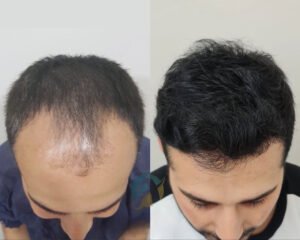
Iron-deficiency anemia has several noticeable symptoms that may differ from person to person. Common signs include extreme tiredness, pale skin, shortness of breath, dizziness, and cold hands or feet. Many people also experience frequent headaches, brittle nails, hair loss, and reduced appetite. In severe cases, rapid heartbeat and chest discomfort may occur. These symptoms happen because your body struggles to deliver enough oxygen to vital organs. Recognizing these early warning signs is essential for diagnosis and treatment.
Causes of Iron-Deficiency Anemia
Iron deficiency can develop due to various factors. Poor dietary intake is the most common cause, especially when meals lack iron-rich foods such as meat, beans, or leafy greens. Blood loss—through heavy periods, internal bleeding, surgery, or injury—reduces iron levels significantly. Pregnant women need more iron and are prone to deficiency. Digestive issues like ulcers, celiac disease, or inflammatory bowel disease can also prevent iron absorption. In children, rapid growth increases iron demand, making them more vulnerable to deficiency. Identifying the cause helps doctors plan effective treatment.
Treatment of Iron-Deficiency Anemia
Treating iron-deficiency anemia requires increasing iron levels and addressing the root cause. Most patients are prescribed iron supplements, which gradually restore hemoglobin levels. Doctors may also recommend vitamin C to improve absorption. Dietary changes are essential—adding foods like liver, spinach, eggs, lentils, and fortified cereals helps replenish iron stores. In severe cases or when absorption is poor, iron injections may be necessary. Women with heavy periods may need hormonal treatment to reduce bleeding. Regular follow-ups ensure that iron levels return to normal and prevent recurrence.
Book Appointment With the Best Nutritionist via InstaCare
If you suspect iron-deficiency anemia or want help improving your diet, consult a nutrition expert. Book your appointment with the best nutritionist via InstaCare today to get a personalized dietary plan for healthy iron levels.
Conclusion
Iron-deficiency anemia is a treatable condition, but it requires timely diagnosis and proper management. Understanding its symptoms and causes helps you take the first step toward recovery. Whether the deficiency is due to poor diet, medical conditions, or blood loss, lifestyle changes and nutritional guidance can make a big difference. Focus on eating iron-rich foods, staying consistent with supplements, and seeking professional help when needed.
FAQs
- How long does it take to cure iron-deficiency anemia?
Most people improve within 2–3 months with supplements and diet changes. - Can anemia cause hair loss?
Yes, low iron levels can weaken hair follicles and lead to hair loss. - What foods are rich in iron?
Spinach, meat, beans, eggs, nuts, and fortified cereals are excellent options. - Is anemia common during pregnancy?
Yes, pregnant women need extra iron and are more susceptible to deficiency. - Can iron supplements cause side effects?
Some people experience constipation or stomach upset, but adjusting dose or diet helps manage this.