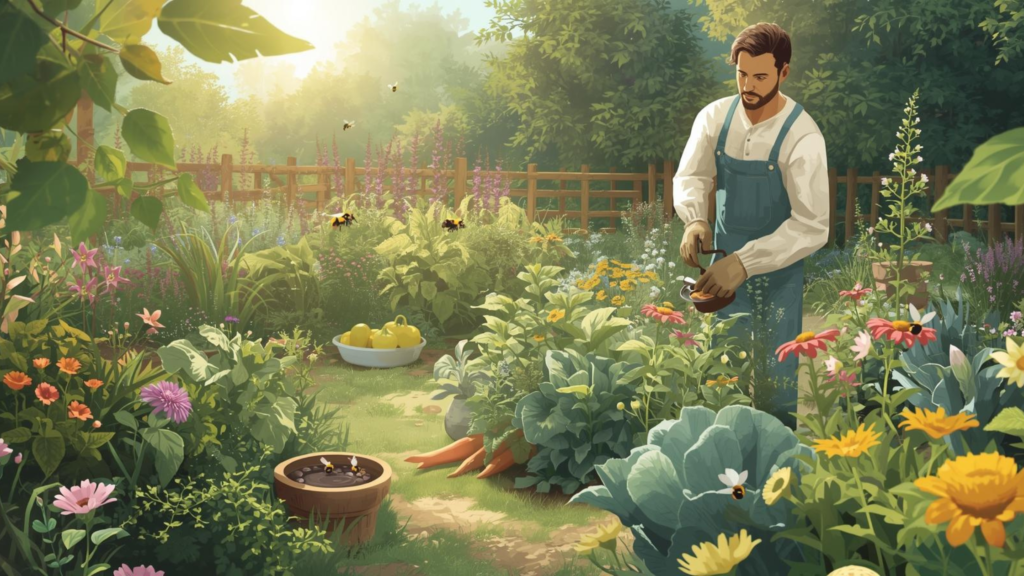

Bumblebees are among the most important pollinators in the world. Their role in helping flowers, fruits, and vegetables grow makes them essential to gardeners and the environment. However, many people worry about how to avoid bumblebee stings while working in the garden. Understanding bumblebee behavior and following safe gardening practices can allow you to coexist peacefully with these fascinating insects.
This article provides practical tips for gardeners, explains how to attract bees safely, and shares strategies to reduce the risk of stings.
Why Bumblebees Are Important for Gardens
Before diving into safety tips, it’s worth understanding why bumblebees are so valuable:
- Pollination experts: Bumblebees are highly efficient pollinators. They visit hundreds of flowers each day, helping plants reproduce.
- Early-season activity: Unlike many other pollinators, bumblebees can fly in cooler temperatures, making them vital for spring blooms.
- Buzz pollination: Bumblebees vibrate flowers to release pollen, which is essential for crops like tomatoes, peppers, and blueberries.
- Supporting biodiversity: By pollinating a wide range of plants, they help maintain a healthy garden ecosystem.
A garden with healthy bumblebee activity is likely to be more productive and environmentally balanced.
Understanding Bumblebee Behavior
Knowing bumblebee behavior is key to gardening safely:
- Bumblebees are generally calm and non-aggressive.
- They sting only in defense, especially when trapped, disturbed, or near their nest.
- Worker bees forage for nectar and pollen, spending most of their day visiting flowers.
- Queens and worker bees defend their nests if approached too closely.
By recognizing these patterns, gardeners can reduce encounters that might lead to stings.
Signs a Bumblebee Might Sting
Bumblebees usually give warnings before stinging. Watch for these signs:
- Loud buzzing: A bee may start buzzing loudly around you, signaling alertness.
- Circling behavior: Hovering repeatedly around a plant or person may indicate defensiveness.
- Posturing: Raising their abdomen is a clear signal of readiness to sting.
Noticing these signs allows you to step back calmly and avoid provoking the bee.
How to Avoid Bumblebee Stings While Gardening
Here are practical tips on how to avoid bumblebee stings in your garden:
1. Stay Calm and Move Slowly
Sudden movements can alarm bees. If a bee approaches:
- Avoid swatting or aggressive gestures.
- Step away slowly and calmly.
- Keep your hands away from flowers or areas where bees are feeding.
2. Wear Protective Clothing
Physical barriers help prevent stings:
- Long sleeves and pants protect arms and legs.
- Gardening gloves prevent stings on your hands.
- Closed shoes reduce the risk of stepping on a bee.
Light-colored clothing is less likely to attract bees than bright or floral patterns.
3. Be Mindful of Nest Locations
Bumblebees often nest in:
- Underground burrows, often abandoned by rodents
- Dense grass or garden hedges
- Piles of leaves, compost, or logs
Avoid disturbing these areas. Teach children to recognize potential nesting spots and stay away.
4. Minimize Strong Scents
Perfumes, scented lotions, or floral hair products can attract bees. Use unscented products when gardening to reduce attention from bumblebees.
5. Be Careful Around Flowers
Since bumblebees are attracted to flowers, avoid putting your hands or face too close to blooms when bees are present. Let the bees forage without interference.
6. Plan Gardening Activities by Time
Bumblebees are most active during sunny, calm days. Gardening early in the morning or late afternoon may reduce encounters, as bees are less active in cooler or overcast conditions.
Attracting Bumblebees Safely
Gardening doesn’t mean avoiding bumblebees entirely. You can attract bees safely while minimizing the risk of stings:
- Plant diverse flowers: Choose a variety of shapes and colors to attract different bumblebee species.
- Provide shelter: Leave small patches of undisturbed grass or logs for nesting areas away from main gardening zones.
- Avoid pesticides: Chemicals harm bees and reduce their activity. Organic practices are safer for both bees and humans.
- Create a water source: Shallow dishes with pebbles or water trays allow bees to drink safely.
By planning your garden strategically, you can enjoy healthy pollination without unnecessary risks.
First Aid for Bumblebee Stings in the Garden
Even with precautions, stings may happen. Here’s what to do:
- Move to a safe area: Step away from the garden or the bee to avoid multiple stings.
- Clean the sting site: Use soap and water to prevent infection.
- Apply a cold compress: Helps reduce swelling and pain.
- Use over-the-counter relief: Antihistamines or topical creams can manage discomfort.
- Watch for allergic reactions: Severe symptoms, such as swelling of lips, tongue, difficulty breathing, or dizziness, require immediate medical attention.
Unlike honeybees, bumblebee stingers are smooth, so there’s usually no stinger to remove
Common Gardening Mistakes Around Bumblebees
Avoid these mistakes to reduce sting risk:
- Swatting at bees: This can provoke defensive stings.
- Gardening near nests: Disturbing a colony increases the likelihood of aggression.
- Wearing bright, floral patterns: These can attract bees unnecessarily.
- Using strong fragrances: Perfumes and scented lotions can draw bees closer.
- Ignoring warning behaviors: Buzzing or circling bees are signaling caution—don’t ignore it.
By avoiding these mistakes, gardeners can coexist safely with bumblebees.
Benefits of Gardening With Bumblebees
Despite sting risks, bumblebees offer many benefits for gardeners:
- Higher pollination rates: Increased fruit and vegetable yield.
- Healthy garden ecosystem: Bees support a variety of plants, improving biodiversity.
- Natural pest control: A thriving garden with pollinators supports birds and insects that keep pests in check.
- Educational opportunities: Observing bumblebee behavior teaches about ecology and nature.
Gardening with awareness allows you to enjoy these benefits safely.
FAQs About Gardening Safely Around Bumblebees
Q1: How can I garden safely without disturbing bumblebees?
A: Move slowly, avoid nests, wear protective clothing, and respect bee behavior.
Q2: Do bumblebees sting often?
A: They sting only in defense or when provoked, so careful gardening usually prevents stings.
Q3: How can I attract bees without increasing sting risk?
A: Plant diverse flowers, avoid pesticides, provide water, and leave undisturbed nesting areas away from main garden zones.
Q4: Are bumblebee stings dangerous?
A: Usually mild for most people. Allergic individuals should take extra precautions.
Q5: What is the best time to garden around bees?
A: Early morning or late afternoon when bee activity is lower, especially in cool or overcast weather.
Final Thoughts
Gardening safely around bumblebees is all about understanding bumblebee behavior and taking simple precautions. By wearing protective clothing, avoiding nests, moving calmly, and recognizing warning signals, gardeners can coexist with these essential pollinators without risking stings.
Attracting bees safely can improve pollination, yield, and biodiversity, making your garden more productive and eco-friendly. With awareness and care, you can enjoy your garden, support bumblebee populations, and minimize the risk of stings.
Remember, bumblebees are gentle workers of nature. Respecting their space and observing their behavior ensures that both you and the bees benefit from a safe, thriving garden environment.