
Shipping containers, originally designed for cargo transport, have become one of the most versatile tools in modern construction and design. With their durability, modularity, and portability, they are increasingly being converted into innovative living spaces, offices, commercial units, and even recreational areas.
This article explores creative shipping container conversion ideas, cost considerations, and practical applications for both residential and commercial purposes.
Why Convert Shipping Containers?
Shipping containers are ideal for conversion due to several advantages:
- Durability – Made of high-strength steel, they can withstand harsh weather conditions.
- Portability – Easily transported and relocated.
- Modularity – Can be stacked or combined to create larger structures.
- Cost-effectiveness – Cheaper than traditional brick-and-mortar construction for similar space.
- Sustainability – Reusing containers reduces waste and supports eco-friendly construction.
These benefits make them perfect for both temporary and permanent installations.
Residential Conversion Ideas
1. Tiny Homes
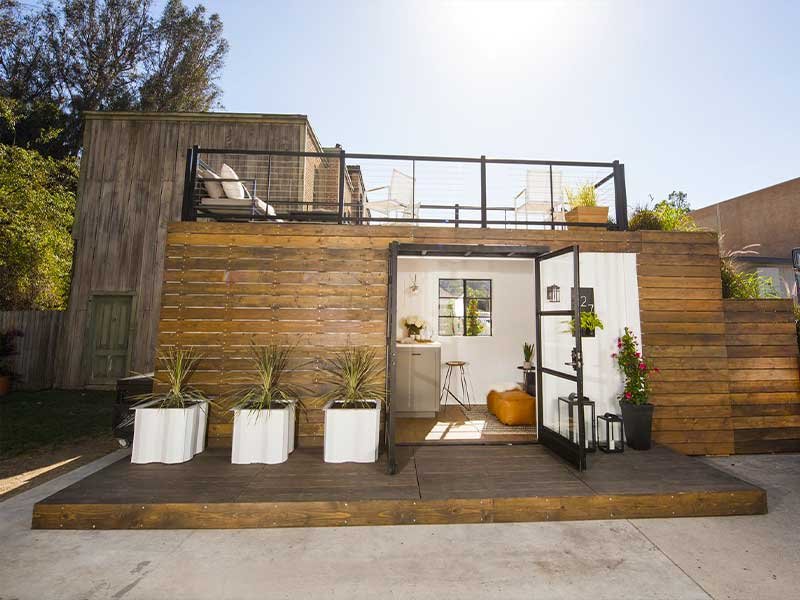
Shipping containers can be converted into compact homes, ideal for urban or remote living. With proper insulation, plumbing, and electricity, a single container can provide a functional living space. Multiple containers can be combined for larger family homes.
Features include:
- Open-plan living area
- Kitchenette and bathroom
- Lofted sleeping area
- Deck or patio extension
2. Modular Apartments
Stacked shipping containers can form multi-unit apartment complexes, offering affordable housing solutions in cities with limited space. Each unit can be fully furnished and climate-controlled, making them suitable for urban environments.
3. Vacation Homes and Retreats
Container conversions work well for holiday homes or eco-resorts. They provide a unique design aesthetic while being easy to transport and install in scenic or remote locations.
Commercial Conversion Ideas
1. Pop-up Shops and Cafes
Shipping containers are ideal for retail and F&B businesses. They are easy to transport, set up, and customize with branding. Some examples include coffee shops, boutique stores, and mobile restaurants.
2. Office Spaces
Converted containers can serve as modular office spaces for startups, construction sites, and co-working hubs. They allow rapid deployment and cost-effective scalability.
Features include:
- Multiple units linked for larger offices
- Meeting rooms and collaborative spaces
- Solar-powered energy solutions for off-grid locations
3. Workshops and Studios
Containers can be transformed into art studios, workshops, or maker spaces. Their sturdy design and modularity make them ideal for creative and industrial projects.
Recreational and Community Use
1. Classrooms and Libraries
In areas where traditional school buildings are not feasible, shipping containers can serve as temporary or permanent classrooms. Insulated interiors and proper ventilation create a comfortable learning environment.
2. Fitness Centers and Gyms
Containers can be converted into compact gyms or fitness studios. Their portability allows them to be relocated or expanded as needed.
3. Medical Units
Mobile clinics or health care units are increasingly made from converted containers. They are cost-effective, mobile, and can be equipped with all necessary medical facilities.
Innovative Design Enhancements
To maximize the functionality and aesthetics of shipping container conversions, consider these enhancements:
| Enhancement | Purpose | Benefit |
| Glass walls or large windows | Natural light | Improved aesthetics and livability |
| Insulated panels | Temperature control | Comfort in hot or cold climates |
| Rooftop gardens or decks | Outdoor space | Eco-friendly, additional leisure area |
| Solar panels | Renewable energy | Off-grid electricity and sustainability |
| Modular stacking | Expandable layouts | Multi-level design options |
| Sliding or foldable walls | Flexible space | Dynamic interiors for different uses |
These enhancements increase comfort, utility, and the visual appeal of container conversions.
Cost Considerations
The cost of converting a shipping container depends on factors such as:
- Container size (20 ft vs 40 ft)
- Structural modifications (doors, windows, partitions)
- Electrical, plumbing, and HVAC installations
- Interior finishing and furnishings
- Transportation and site preparation
Approximate Cost Range in Pakistan (per unit):
| Container Size | Conversion Cost (PKR) | Use Case |
| 20 ft | 300,000 – 600,000 | Tiny home, office, café |
| 40 ft | 500,000 – 1,200,000 | Family home, workshop, multi-purpose unit |
| Multi-container complex | 1,500,000+ | Modular apartments, large commercial units |
Maintenance and Durability
Shipping containers are designed for long-term durability but require regular maintenance after conversion:
- Rust prevention with coatings or paint
- Checking insulation and waterproofing
- Ensuring structural integrity when stacked or modified
- Regular servicing of electrical and plumbing systems
Properly maintained, converted containers can last 20 years or more.
FAQs — Shipping Container Conversion Ideas
Q1: Can a shipping container be converted into a permanent home?
Yes. With proper insulation, plumbing, and electrical systems, container homes can be fully livable.
Q2: How long does it take to convert a container?
A simple conversion can take 4–8 weeks. More complex designs with multiple containers can take several months.
Q3: Are container homes safe in all climates?
With proper insulation and ventilation, containers can be adapted for hot, cold, or humid climates.
Q4: Can multiple containers be combined?
Yes. Modular design allows containers to be stacked or connected to create larger living or working spaces.
Q5: Is converting a shipping container cost-effective?
Yes. Compared to traditional construction, conversions are faster, often cheaper, and sustainable.
Conclusion
Shipping container conversion ideas offer endless possibilities for residential, commercial, recreational, and community applications. Their durability, portability, and modularity make them ideal for cost-effective and innovative solutions.