
The vacation rental industry has experienced rapid growth over the past few decades, driven by the rise of platforms like Airbnb and Vrbo. As travelers continue to seek unique and personalized experiences, vacation rentals have become a popular alternative to traditional hotels. In fact, the shift in consumer preferences, combined with evolving technology and changing travel trends, has set the stage for a transformative future in the vacation rental space. But what does the future hold for vacation rentals in the coming decade? Let’s explore the key trends and factors that will shape the industry.
The Rise of Experiential Travel
One of the primary drivers behind the success of vacation rentals is the growing demand for experiential travel. Modern travelers are no longer satisfied with merely visiting a destination; they want to engage with the local culture and have authentic experiences. Vacation rentals provide a unique opportunity to immerse oneself in the local environment, whether it’s staying in a quaint cottage in the countryside, a luxury apartment in the city, or a beachfront villa with stunning views.
The ability to choose a property that aligns with their travel preferences is a key factor that makes vacation rentals appealing to many. Travelers can select homes, apartments, or even treehouses that reflect the destination’s personality. This trend is expected to continue, with more vacation rental platforms offering curated listings based on specific interests, such as adventure, wellness, and luxury.
Health and Wellness: A Growing Focus in Vacation Rentals
As health and wellness become an increasingly important aspect of people’s lives, vacation rentals are not staying behind. Over the last few years, wellness tourism has seen a significant rise, with many travelers seeking retreats that focus on physical, mental, and emotional well-being. Vacation rentals are perfectly positioned to tap into this growing demand by offering spaces that cater to guests’ wellness needs.
In the coming decade, we can expect more vacation rental properties to integrate health-conscious features such as fitness centers, yoga studios, spa facilities, and organic food options. Moreover, the rise of digital wellness, which includes virtual meditation sessions, fitness classes, and mindfulness workshops, could further enhance the appeal of vacation rentals. This trend will likely encourage property owners to incorporate these wellness-focused amenities into their spaces, creating a holistic experience for travelers who prioritize self-care during their vacations.
The Impact of Technology on Vacation Rentals
Technology has always played a critical role in the evolution of the vacation rental industry. From online booking platforms to smart home devices, technology has made it easier for travelers to find, book, and enjoy their vacation rentals. As we look ahead to the next decade, technology will continue to shape the way vacation rentals are experienced.
One of the most significant technological advancements is the rise of artificial intelligence (AI) and machine learning. These technologies have already started transforming the vacation rental industry by personalizing user experiences. AI can help match travelers with properties that meet their specific preferences, making the booking process more efficient. In addition, smart home devices such as keyless entry systems, voice-activated assistants, and climate control systems will become more prevalent in vacation rentals, enhancing convenience and comfort for guests.
Another technological advancement to keep an eye on is virtual reality (VR) and augmented reality (AR). These immersive technologies can revolutionize the way travelers browse vacation rental options. Imagine being able to virtually walk through a rental property before booking or viewing detailed 3D renderings of the space. This could significantly improve the booking experience, helping travelers make more informed decisions.
Sustainable Travel and Eco-Friendly Vacation Rentals
With climate change and environmental issues becoming increasingly pressing, sustainability has become a key consideration for many consumers. As travelers become more environmentally conscious, the demand for sustainable and eco-friendly vacation rentals is expected to grow. Property owners and vacation rental platforms will need to adapt to this shift by incorporating sustainable practices into their properties.
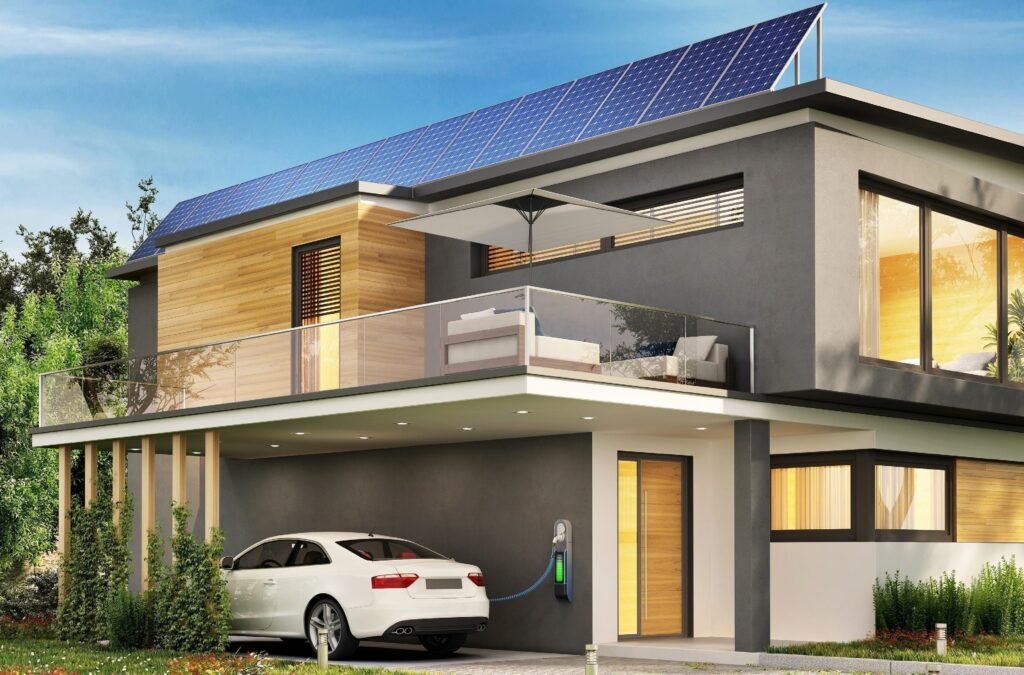
In the next decade, we can expect more vacation rentals to incorporate energy-efficient features such as solar panels, eco-friendly building materials, and water-saving technologies. In addition, hosts may offer guests the option to offset their carbon footprint by contributing to environmental initiatives or staying at properties that prioritize green practices.
Beyond energy-efficient features, eco-friendly vacation rentals may also focus on sustainable tourism practices, such as promoting local businesses, reducing waste, and supporting conservation efforts. As sustainability becomes a key decision-making factor for travelers, those vacation rentals that embrace these practices will likely stand out in an increasingly competitive market.
Changing Traveler Demographics
The makeup of travelers is also evolving. As millennials and Gen Z come into their prime, their travel preferences and behaviors are shifting. These younger generations are highly tech-savvy, prefer authentic and personalized experiences, and place a strong emphasis on sustainability. As a result, vacation rentals are becoming an increasingly popular choice for these groups.
At the same time, the aging baby boomer generation is also contributing to the demand for vacation rentals. Many retirees and empty-nesters are choosing vacation rentals for their flexibility, comfort, and convenience. They are often looking for more spacious accommodations that allow them to cook meals, entertain family, and relax in a home-like environment.
The vacation rental industry will need to cater to these diverse demographics by offering properties that meet a wide range of needs. This includes everything from family-friendly homes with amenities for children to accessible vacation rentals for those with mobility challenges.
The Rise of Long-Term Stays
Another trend that has gained momentum in recent years is the increasing popularity of long-term stays. While short-term rentals have traditionally been the norm for vacationers, more and more travelers are opting for longer stays. This shift is driven by a variety of factors, including the rise of remote work, digital nomadism, and extended vacations.
The COVID-19 pandemic played a significant role in accelerating this trend, as many people found themselves working from home and seeking a change of scenery. In the coming decade, long-term vacation rentals will continue to be in high demand, with travelers seeking properties that provide both comfort and functionality for extended stays. This could include amenities like high-speed internet, home offices, and fully equipped kitchens.
Vacation rental platforms will likely adapt to this trend by offering more flexible booking options for long-term stays, as well as incentives such as discounts for extended reservations. Property owners will need to consider the unique needs of long-term renters, such as offering cleaning services, providing ample storage space, and ensuring that the property is equipped with all the necessary amenities for a prolonged stay.
The Future of Vacation Rentals: The Road Ahead
Looking ahead to the next decade, the vacation rental industry is poised for continued growth and transformation. The shift towards experiential travel, increased focus on wellness, technological advancements, sustainability, changing traveler demographics, and the rise of long-term stays will shape the future of vacation rentals.
For property owners and hosts, staying ahead of these trends will be key to success. By embracing new technologies, offering personalized experiences, and prioritizing sustainability, vacation rentals can continue to thrive in an ever-changing landscape. Additionally, with the growing demand for remote work and long-term stays, there is an opportunity for vacation rental properties to diversify their offerings and cater to a wider range of travelers.