
Introduction
Mustard oil has been a familiar ingredient in South Asian kitchens for generations. Recognized for its strong aroma, distinctive taste, and warming character, it is commonly used in cooking, pickling, marinades, and traditional food preparation. Beyond the kitchen, mustard oil is also associated with various household and personal-care practices. As interest in traditional ingredients continues alongside modern attention to nutrition and food quality, understanding mustard oil, its uses, and its nutritional characteristics can help consumers make informed choices.
What Is Mustard Oil?
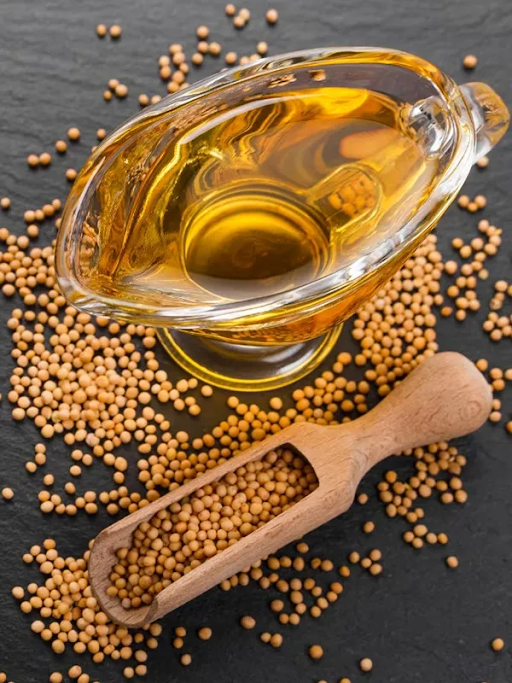
Mustard oil is produced from mustard seeds through pressing or other extraction processes. Depending on the variety of mustard and the production method, the resulting oil can have a golden color, pungent aroma, and characteristic sharp flavor.
Different mustard species and processing methods can produce oils with different fatty-acid profiles. This is why consumers should pay attention to the product label and intended use instead of assuming that every mustard oil has identical characteristics.
The oil’s strong flavor is one of its defining features. Even a relatively small amount can add a noticeable taste to vegetables, curries, marinades, and other dishes.
Mustard Oil in Traditional Cooking
Mustard oil has an important place in many South Asian food traditions. It is commonly used to prepare curries, vegetables, fish, meat, pickles, and marinades. Its bold flavor can complement spices such as cumin, coriander, turmeric, chili, garlic, and ginger.
In some traditional cooking practices, mustard oil is heated before other ingredients are added. This can reduce some of its raw pungency and create a different aroma and flavor profile.
The oil can also be used in dressings and marinades when a strong mustard character is desired. Its distinctive taste means that it does not necessarily suit every recipe, but it can be particularly appealing in dishes where bold flavors are central.
Nutritional Characteristics
Like other edible oils, mustard oil is primarily composed of fat and provides concentrated energy. Its fatty-acid composition includes unsaturated fats, although the exact profile varies according to mustard variety and processing.
Nutrition should be considered in the context of the overall diet rather than focusing on a single cooking oil. Current American Heart Association dietary guidance emphasizes choosing sources of unsaturated fats in place of sources higher in saturated fat as part of an overall heart-healthy eating pattern.
Consumers should also consider the specific type of mustard oil available in their market because food standards and labeling requirements can differ between countries.
Cooking With Mustard Oil
Mustard oil can be used for sautéing, frying, roasting, marinades, and other cooking applications depending on the product’s intended use and labeling. Its relatively strong flavor means that it works particularly well with recipes containing aromatic spices and hearty ingredients.
As with any cooking oil, overheating should be avoided. The American Heart Association recommends not using oil once it begins to smoke and advises against reusing or repeatedly reheating cooking oil.
Using a moderate cooking temperature and storing the oil correctly can help preserve its quality and flavor.
Mustard Oil in Pickling and Food Preservation
Pickling is another traditional application where mustard oil is widely appreciated. Its strong flavor combines naturally with spices, vinegar, salt, and vegetables to create distinctive pickled preparations.
In traditional recipes, mustard oil can contribute both flavor and richness. However, food safety remains important when preparing homemade pickles. Proper ingredients, clean containers, appropriate acidity, and safe storage practices should always be considered.
Traditional Personal-Care Uses
Mustard oil has also been used traditionally for massage and hair-care routines. Some people apply it to the scalp or body as part of cultural and household practices.
However, traditional use should not automatically be interpreted as medical evidence. Concentrated oils can cause skin irritation or allergic reactions in some individuals. Anyone trying mustard oil topically for the first time can consider testing a small area before broader application.
Persistent scalp problems, skin irritation, or hair loss should be evaluated by a qualified healthcare professional rather than treated solely with household oils.
Current Consumer Trends
Today’s buyers are increasingly interested in how cooking oils are produced, where their ingredients come from, and how products are packaged. Cold-pressed and traditionally processed oils have attracted attention among consumers who prefer minimally processed ingredients.
At the same time, nutritional awareness has encouraged people to compare different oils according to their fat composition and intended cooking use. The American Heart Association recommends using liquid plant oils with more unsaturated fat in place of solid fats and other sources high in saturated fat.
What Smart Buyers Consider
- Mustard seed variety and oil type
- Intended culinary use
- Extraction and processing information
- Ingredient and labeling details
- Packaging quality
- Freshness and expiry information
- Storage recommendations
These details can provide more useful information than simply choosing a product because of its color or strong aroma.
How to Choose Quality Mustard Oil
A reliable mustard oil should have clear labeling and information about its intended use. Buyers should check the ingredients, production details, packaging, and expiry information before purchasing.
The oil should have a characteristic mustard aroma without an unpleasant rancid smell. Excessive exposure to heat, air, and light can negatively affect the quality of edible oils, so packaging and storage are important considerations.
For culinary use, consumers should always select an oil that is appropriately labeled for food preparation and complies with applicable local food standards.
Proper Storage
Mustard oil should be stored in a cool, dry location away from direct sunlight and excessive heat. The container should remain tightly closed when not in use.
Keeping cooking oil near a hot stove may expose it to unnecessary heat. Buying an appropriate quantity for regular household consumption can also help ensure that the oil is used while it remains fresh.
If the oil develops a distinctly unpleasant or rancid odor, it should be discarded rather than used for cooking.
Final Thoughts
Mustard oil remains an important traditional ingredient valued for its bold flavor, culinary versatility, and distinctive aroma. From curries and vegetables to marinades and pickles, it can bring a recognizable character to many familiar dishes.
Choosing an appropriately labeled product, understanding its intended use, avoiding excessive heating, and storing it properly are all important for maintaining quality. When used as part of a varied and balanced diet, mustard oil can continue to serve as a flavorful and culturally significant cooking ingredient.