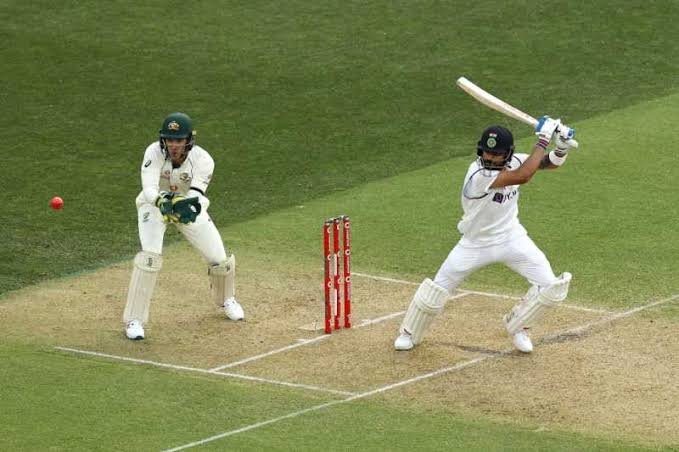

Start with the position on arrival
Note the score, wickets lost and time or deliveries available when the batter enters. Those details shape the choices that follow. A cautious beginning may be appropriate in one situation and costly in another. Describing every slower passage as a lack of intent ignores the job the player was asked to perform.
The quality of support also matters. An established partner may handle the more difficult bowler or help the newcomer find manageable scoring options. A batter left with fewer recognised partners may face a different balance between protecting the wicket and taking opportunities. Individual contributions are easier to understand when the partnership is included.
Use averages and totals for the right purpose
Career figures can reveal sustained contribution, but they combine many situations into one number. A high total says something about accumulated performance and opportunity. It does not explain whether a particular innings met the immediate needs of the team. Match analysis and career comparison are related tasks, not interchangeable ones.
The overview of ODI run-scoring records among active players provides a starting point for the career perspective. Check dates and source records before quoting a changing total. Then return to the specific innings rather than allowing reputation to decide how it should be judged.
Keep different formats in view
Available overs, field settings and tournament circumstances influence the way a batter builds an innings. A scoring pattern suited to one setting may need adjustment in another. Instead of transferring expectations automatically, identify the demands of the format and the stage of the game being discussed.
An event such as the one introduced in the Asian Games cricket guide provides a different setting from a long career table. Understanding the competition and the immediate fixture helps explain the team’s priorities. Tournament context should clarify the analysis rather than become an excuse to ignore the decisions made during play.
Judge the choices behind the runs
Watch how the batter responds when the bowling changes or a partner is dismissed. Are scoring options adjusted? Is the strike shared effectively? Does the approach fit the resources still available? These questions turn a total into an explanation of performance. The same score can deserve different assessments because cricket asks players to solve different problems, even when the final numbers happen to match.
Gutenberg source and manual copy
go9wickets.com
- Why International Goal Totals Need More Context
- How to Watch a Forward When They Do Not Have the Ball
- A Fairer Way to Compare Cricket Records Across Eras
- Why a Test Series Can Change After One Session
Article 1 · 448 words · 2 links
Why International Goal Totals Need More Context
An international scoring table is an inviting place to begin a football discussion. The numbers are clear, the names are familiar, and a long career can fit into a single row. Yet a total answers only one question: how many goals were recorded within the chosen category. Understanding the achievement requires a few more questions about opportunity, responsibility and the matches involved.
Start with the competition and date
Before comparing players, establish whether the table covers senior internationals, competitive matches, friendlies or a combination. Check its publication date as well. An active player’s total can change, while an older article may preserve the figure available when it was written. Comparing numbers collected at different times can create a disagreement that disappears once the dates are aligned.
The overview of active international goalscorers provides a starting point for that discussion. Treat a dated list as background and check the latest official match record before quoting a current total. The definition and cutoff date should travel with the number whenever it is repeated elsewhere.
Appearances explain opportunity
Two players can reach a similar total through very different careers. One may score frequently across fewer appearances, while another combines a long international career with sustained selection. Goals per appearance offer another perspective, but even that comparison is incomplete when one player regularly enters as a substitute and another usually plays the full match.
Position matters too. A central striker, a wide forward and an attacking midfielder do not receive identical chances. Penalty responsibility can also affect the total. None of these details removes the value of scoring; they explain what the number measures and prevent one statistic from being asked to settle every debate.
Watch the contribution around the finish
A forward can help create a goal without taking the final shot. Movement may draw a defender away, a pressing run may force an error, or a simple layoff may release the eventual scorer. Those actions are easier to recognise when watching the full attacking sequence rather than a clip beginning just before the finish.
For related reading, the site’s football article collection offers another route into player and match discussions. Broader football reading is useful when a scoring comparison raises questions about roles that the original table cannot answer on its own.
Keep the conclusion proportionate
A fair comparison can recognise several kinds of excellence at once. Longevity, scoring rate and influence in particular matches are different achievements. State which one you are discussing, support it with a clearly defined record, and leave room for the others. That approach makes football conversations more informative without taking away the enjoyment of celebrating remarkable goalscorers.
Gutenberg source and manual copy
Article 2 · 473 words · 2 links
How to Watch a Forward When They Do Not Have the Ball
The camera naturally follows the ball, which makes a forward’s most useful work surprisingly easy to miss. A run that creates space may finish without a pass, a shot or even a touch. Watching a player away from possession reveals why some attacks develop smoothly and why others leave the midfield with nowhere useful to send the ball.
Follow the defender as well as the attacker
Start with the relationship between a forward and the nearest defender. If the attacker moves toward the ball, does the defender follow? If so, another player may gain space behind. If the defender holds position, the forward may become available between the lines. The value of the movement depends on the response it produces, not simply on how far the player runs.
A sideways run can be just as important as a sprint toward goal. Moving across a defender’s field of vision may create hesitation about who should take responsibility. Watch whether a teammate recognises that hesitation and changes direction at the same moment. Coordination turns separate movements into an attacking pattern.
Scoring records show only the final layer
Finishing remains essential, but the chance often begins several actions earlier. A striker may occupy two defenders so a teammate can arrive unmarked. On another attack, the same player may stay still because moving would close a useful passing lane. Judging every quiet passage as poor effort misses these different responsibilities.
The discussion of international scoring achievements is a useful companion to watching those roles. Career totals describe the outcome of many attacks; observing movement helps explain how a team creates the conditions for those outcomes. Neither perspective needs to replace the other.
Notice what happens after possession is lost
The forward’s next decision can affect whether the opposition escapes easily. One player may approach the ball carrier while another blocks a pass into midfield. An energetic chase without supporting teammates can leave an easy route around the pressure. Look at the shape of the group before praising or criticising an individual’s sprint.
This is also why a forward can appear less active while carrying out a specific task. Holding a position may discourage a pass the camera never shows. Repeated patterns offer stronger evidence than one isolated moment, especially when the broadcast angle hides players on the far side.
Turn viewing into a simple observation exercise
Choose one forward for five minutes and track three things: where they start, which defender reacts and what space becomes available. Then return to the ball and see whether the team uses that space. The football reading archive can provide further context for the players and roles that catch your attention. You do not need complex data to begin; a specific question makes ordinary match viewing much more revealing.
Gutenberg source and manual copy
Article 3 · 450 words · 2 links
A Fairer Way to Compare Cricket Records Across Eras
Cricket records invite comparison because the scorebook preserves so much detail. Runs, wickets, innings and appearances can make careers separated by decades appear directly comparable. The difficulty is that those numbers were produced in different circumstances. A better comparison begins by defining the achievement and then asking which parts of the surrounding game affected the opportunity to achieve it.
Define the record before judging it
A career total, a single innings and a scoring rate measure different things. A player can lead one category without leading the others. Formats must also remain separate unless the discussion explicitly concerns a combined total. Mixing Test and limited-overs statistics without explaining the change makes an apparently precise comparison less informative.
The feature on long-standing cricket records offers examples of the kinds of milestones supporters discuss. When using any record list, verify its scope and date before repeating a figure. Describing an achievement as difficult to surpass is an opinion about circumstances, not proof that it can never be broken.
Opportunity shapes career totals
Long careers require sustained selection as well as performance. The number of fixtures available, interruptions between series and the formats a player contests all influence the chances to add runs or wickets. A total therefore reflects accumulated contribution, while a rate may reveal something different about performance within those opportunities.
Even rates need context. A batting average depends on dismissals, while a scoring rate concerns the pace at which runs arrive. Neither number, by itself, explains the state of the match or the strength of the opposition. Using two complementary measures is often more useful than searching for one statistic that settles everything.
Add conditions and opposition
Home and away performances can involve different demands. A batter may need to adjust to unfamiliar bounce, and a bowler may find that a familiar length produces a different result. Those challenges are not captured by a career total that combines every venue into a single number.
For a narrower historical comparison, the Bangladesh–Australia Test history shows how a rivalry can be examined through individual series and venues. Use the article’s historical period as its frame rather than assuming every table represents a fully updated record. Specific match context is more useful than treating a head-to-head total as a prediction.
Explain what your comparison can support
Before reaching a verdict, state whether the discussion concerns longevity, peak performance, consistency or adaptability. Different evidence belongs to each question. A memorable innings can demonstrate a remarkable response to one situation without proving superiority in every situation. Clear boundaries make room for admiration while keeping the comparison honest, interesting and grounded in what the records actually show.
Gutenberg source and manual copy
Article 4 · 463 words · 2 links
Why a Test Series Can Change After One Session
A Test scorecard presents neat innings totals, but a match develops through much smaller passages. One session may change the ball’s condition, expose a weakness in a partnership or force a captain to use a different bowling combination. Understanding those changes helps explain why a team that looked comfortable in the morning can face a very different problem later in the day.
Read the situation around the score
A total means more when it is read alongside wickets lost, time remaining and the opposition’s first innings. The same score can represent recovery in one match and a missed opportunity in another. Start by identifying the task facing the batting side before describing its scoring rate as either positive or cautious.
For background on how circumstances vary across encounters, the history of Bangladesh and Australia in Tests provides a series-based perspective. A historical rivalry is best understood through its individual matches, rather than using the aggregate result to assume how the next session must unfold.
Partnerships change the choices available
A stable partnership allows batters to share information about pace, movement and the bowlers’ plans. It can also give a captain time to reconsider the next phase of the innings. When a wicket falls, the incoming batter begins with less direct knowledge of those conditions and may need a different approach from the established partner.
Watch whether the fielding side maintains pressure after the breakthrough. A wicket followed by several easy scoring opportunities produces a different effect from one followed by accurate, well-supported bowling. Momentum is therefore better explained through repeated actions than described as a mysterious force that automatically belongs to one side.
Bowling changes can reshape the contest
A new bowler may offer a different release point, angle or pace, requiring the batters to adjust. The field should help reveal the intended plan. A captain protecting one area while inviting a particular stroke may be trying to create a chance rather than simply conceding ground.
Long spells and partnerships also connect the immediate contest with cricket’s wider history. The collection of notable cricket milestones provides related reading about individual and team achievements. In a live match, however, the next decision should be assessed against the present situation rather than the possibility of a record.
Judge the response, not just the setback
Every side experiences difficult passages. The revealing question is what changes afterwards: whether a batter reduces risk, a bowler adjusts length or a captain finds a more suitable field. Follow those responses across the next few overs. They show how teams solve problems and make Test cricket compelling even when the scoreboard appears to be moving slowly. A session matters because of the choices it creates, not only the runs it contains.
Gutenberg source and manual copy
velkivip.pro
- Why Distance Covered Does Not Explain a Football Performance
- How to Review a Football Attack Beyond the Final Shot
- What a Football Substitution Can Change Besides the Formation
- How Football Becomes a Shared Language Across Borders
Article 1 · 459 words · 2 links
Why Distance Covered Does Not Explain a Football Performance
A distance-covered graphic looks like an easy way to identify the hardest-working footballer. The player with the largest number appears to have contributed the most effort. Yet distance is a description of movement, not a complete assessment of performance. To understand what it means, supporters need to connect the running with the player’s role and the situations that produced it.
Different jobs produce different movement
A wide player repeatedly tracking an opponent may cover ground differently from a centre-back protecting a smaller area. One team may spend long periods chasing possession, while another moves the ball efficiently and asks its players to make shorter supporting runs. Neither situation makes the larger distance automatically better or worse.
The timing of movement matters as well. A run that closes a passing lane can be valuable even if the ball never reaches that area. By contrast, a long recovery sprint may follow an earlier positioning mistake. Watch the action before the running begins rather than judging only the movement that attracts the camera.
Match the number to the question
If the question concerns repeated high-intensity effort, total distance alone cannot answer it. If it concerns positioning, video may explain more than a single physical measurement. Different tools describe different parts of the performance, and their usefulness depends on the question being asked.
The introduction to technology used in modern football offers background on that range of tools. A useful habit for viewers is to ask what a statistic leaves out. That question encourages interpretation rather than treating an attractive graphic as a complete verdict on a player.
Avoid diagnosing fatigue from the screen
A slower passage does not reveal a player’s physical condition on its own. The team may have changed shape, the opponent may be keeping the ball in another area, or the coach may have asked for a more controlled approach. Observations from a broadcast can suggest questions, but they cannot establish an individual’s readiness or recovery needs.
Readers interested in the broader workload discussion can explore this overview of football recovery between matches. Such background helps explain why staff consider more than one signal. It should not be used to make health claims about a particular player from a brief clip.
Look for useful movement
During your next match, choose a player and note when movement changes an opponent’s options. Does a supporting run make a pass possible? Does tracking a runner prevent a clear opportunity? Does the team retain its defensive shape afterwards? These observations connect effort with purpose. The distance figure can then add context to an explanation rather than replace one. A performance becomes easier to understand when the movement, role and match situation are considered together.
Gutenberg source and manual copy
Article 2 · 459 words · 2 links
How to Review a Football Attack Beyond the Final Shot
A highlight usually ends with the most dramatic action: a save, a goal or a missed chance. That ending can distract from the sequence that made it possible. Looking back a few passes reveals the choices that moved defenders, opened space and allowed the shooter to receive the ball. It is a simple way for supporters to get more from a replay.
Begin before the obvious turning point
Instead of starting when the attacker enters the penalty area, identify the first moment the defending shape changes. A defender may step forward, a midfielder may follow a runner, or the ball may move quickly from one side to the other. These actions create the conditions for what happens next.
Then ask whether the attacking team recognised the opening immediately. A useful run can lose its value if the pass arrives too late. Equally, a player may hold possession for an extra moment to encourage the defender to commit. The same pause can be helpful or harmful depending on the surrounding movement.
Use the replay to answer one question
Trying to track every player at once makes analysis harder. Choose a single question, such as how the winger became free or why the centre-back left the defensive line. Rewatch with that question in mind, then widen the view to see which teammates supported the action.
For background on the tools behind detailed review, the article on football video and performance technology introduces the broader subject. Fans do not need professional software to begin. A clear question and a view of the buildup are often more useful than repeatedly watching the finish at slower speed.
Separate the decision from the outcome
A well-chosen pass can be poorly executed, while a difficult shot can occasionally produce a goal. Judging every decision only by its result can hide those distinctions. Consider the options available at the moment: nearby defenders, supporting teammates and the time the player had to act.
This does not mean removing emotion from watching football. It means adding another layer to it. Recognising a clever supporting movement can make a goal more enjoyable, while understanding a missed opportunity can make criticism more precise and less dependent on the final replay.
Share an explanation others can follow
Football reaches people with very different levels of tactical knowledge. The discussion of football’s worldwide appeal provides useful context for that broad audience. When explaining an attack, describe concrete actions: who moved, who followed and which space opened. Avoid assuming everyone uses the same tactical vocabulary. A short, visible sequence of cause and effect is easier to assess than an elaborate label, and it gives other supporters a fair opportunity to disagree with the analysis.
Gutenberg source and manual copy
Article 3 · 459 words · 2 links
What a Football Substitution Can Change Besides the Formation
A substitution is often described as attacking or defensive before the replacement has touched the ball. That label can be too simple. A new player may change the team’s passing options, pressing direction or ability to hold possession without altering the formation displayed on television. The useful question is which problem the coach is trying to solve.
Identify the problem before the change
Watch the passages immediately before the substitution. Is the team struggling to move the ball out of defence? Is one opponent repeatedly finding space? Are attacks breaking down because the forward has no nearby support? These patterns provide a more useful starting point than the reputation of the player entering the match.
The score also affects priorities. A team protecting a lead may need someone who can keep the ball rather than another defender. A side chasing a goal may need better delivery before it needs another target in the penalty area. More forwards do not automatically create more useful chances.
Physical demands are part of the picture
A replacement can offer fresh movement, but supporters should avoid assuming they know why a player was removed. Workload, tactical instructions and plans for other fixtures may all be relevant. The timing of a change alone does not reveal a medical issue or prove that the outgoing player performed badly.
The guide to player recovery across football fixtures offers general background on the wider schedule. It helps frame the questions without answering them for any individual. Match-specific explanations should come from team information or observable tactical changes rather than speculation about fitness.
Follow the first few possessions
After the substitution, note where the new player receives the ball and which teammates adjust their positions. A winger moving inward may allow a full-back to advance. A midfielder staying deeper may give another player freedom to join attacks. These relationships often explain the change more clearly than the replacement’s nominal position.
You can also watch what happens when possession is lost. Does the team press from a different angle? Is there better cover behind an attack? Does the substitute help slow the opponent long enough for teammates to recover their shape? An important contribution may happen before any shot or assist.
Compare patterns rather than one moment
An immediate mistake or goal can dominate the reaction to a substitution. Give the new arrangement several passages of play before drawing a firm conclusion. The overview of modern football analysis tools provides further context for examining repeated patterns. Even without those tools, viewers can compare the team’s options before and after the change. That makes the judgment more informative than deciding the substitution succeeded or failed solely because of the next dramatic event.
Gutenberg source and manual copy
Article 4 · 449 words · 2 links
How Football Becomes a Shared Language Across Borders
Two supporters can follow different leagues, speak different first languages and still understand the tension of a late corner. Football offers a shared set of situations that people recognise through experience. The rules provide the starting point, but the wider connection comes from stories, routines and memories that supporters carry from one match to the next.
Familiar situations invite participation
You do not need to know every player to understand a goalkeeper facing a penalty or a team defending a narrow lead. Those situations give newcomers an immediate way into the match. More detailed knowledge develops gradually as people learn why a fixture matters, which roles players perform and how a season’s results connect.
The discussion of why football attracts a worldwide audience explores that broader appeal. Accessibility is part of the story, but so is the ability to enjoy the game at different levels. A casual viewer and a committed supporter can share the same moment while noticing different details.
Stories travel further than the result
A score ends the match, but the story may continue through a memorable save, an unexpected comeback or a young player’s first opportunity. Supporters retell those moments to explain what their team means to them. The retelling connects a current fixture with earlier experiences, including matches watched with friends or family.
Those stories are richer when they preserve context. A dramatic clip may omit the buildup, the competition or the reason a result mattered. Adding a little background helps people outside the original audience understand the significance without requiring them to know an entire club history.
Technology changes how the conversation happens
Replays, performance graphics and shared clips give distant supporters more ways to discuss the same game. They can also create confusion when a short extract is treated as the whole event. Checking the date and watching the surrounding action are simple habits that make a conversation more accurate.
The overview of technology shaping modern football offers related reading about this changing experience. More information does not automatically produce better understanding. Its value depends on how clearly it is explained and whether the audience can see what a graphic or replay actually establishes.
Leave room for different experiences
One fan may care most about tactics, another about local identity and another about a favourite player. These interests can coexist without making one person’s connection less valid. Ask what another supporter notices before assuming they watch the game for the same reason you do. Football becomes a shared language when people use its familiar moments to begin a conversation, then make enough room for the different histories and perspectives that give those moments meaning.
Gutenberg source and manual copy
notoutbd.live
- The Decisions Behind a Dangerous Football Free Kick
- What a Digital Athlete Model Can and Cannot Explain
- Why Supporting a Football Team Becomes Part of Everyday Life
- How to Understand a Football Rivalry Beyond the Headlines
Article 1 · 458 words · 2 links
The Decisions Behind a Dangerous Football Free Kick
A free kick looks like a contest between the taker and the goalkeeper, but several decisions are already shaping the opportunity. The position of the ball, the defensive wall and the movement of attacking teammates all influence the available choices. Watching those details makes the situation more interesting than simply waiting to see whether the shot clears the wall.
Location changes the options
A central position may offer different shooting angles from a position close to the touchline. Distance matters, but it is not the only consideration. The taker’s preferred foot, the goalkeeper’s starting position and the space available for a delivery can all affect whether a direct shot is the most useful option.
The overview of notable free-kick specialists provides related reading about players associated with this skill. When watching any specialist, compare the situations rather than assuming the same technique suits every location. An impressive finish from one position does not explain the best choice from another.
Watch the players away from the ball
Teammates can create uncertainty by changing their starting positions or timing their runs together. A defender following one runner may leave another area less protected. The delivery and the movement need to match; an accurate ball can still be wasted if the intended receiver arrives too early or too late.
The players outside the penalty area matter as well. They may be positioned to collect a clearance, restart the attack or prevent a counterattack. A free kick should therefore be judged as a sequence. The first contact is important, but the second ball may create the clearer opportunity.
Preparation is more than repeating a shot
A useful routine needs communication about where the ball is intended to go and what happens if the original route is blocked. Repetition can make those decisions more familiar, while reviewing previous attempts may reveal whether the problem was delivery, timing or the choice itself. Different errors require different explanations.
For a broader look at analysing preparation, the introduction to digital models in athlete training discusses how performance information can be organised. Such models are background tools, not evidence that a particular routine will succeed. The match still introduces defenders, pressure and changing conditions that must be handled in real time.
Judge the choice as well as the result
A good opportunity can end without a goal, and a difficult attempt can occasionally succeed. Ask whether the taker recognised the most promising route and whether teammates supported it. Then consider execution. Separating those questions produces a clearer assessment than praising every goal as a perfect plan or dismissing every unsuccessful attempt as a poor decision. The next free kick may become revealing before the ball has even been struck.
Gutenberg source and manual copy
Article 2 · 455 words · 2 links
What a Digital Athlete Model Can and Cannot Explain
The phrase digital athlete model can sound as though a computer has created a complete version of a person. A more useful starting point is to think of a model as an organised representation built from selected information. It can help people explore questions, but its conclusions depend on the data, assumptions and purpose behind it. It is not a substitute for observing the athlete.
Begin with the question
A model designed to describe movement is not automatically suitable for judging every aspect of performance. Before looking at an output, ask what the system is trying to explain. Is it comparing repeated actions, showing a pattern over time or exploring how a change might affect a particular task?
The introduction to digital twins in sports training provides background on the concept. The useful distinction is between a representation and the real person it describes. No collection of measurements includes every detail of a player’s experience, decision-making or surroundings, so the limits of the model need to remain visible.
Data needs context
Two measurements can look similar while coming from different situations. An action performed in a controlled session may involve different choices from the same action during a competitive match. Weather, space, opponents and instructions can all change what a player is trying to achieve. Comparing results without that context may create a pattern that is easy to misinterpret.
Missing or inconsistent information creates another problem. An attractive chart can conceal gaps if the reader does not know which sessions were included. Clear labels, dates and explanations help make the output understandable. The presentation should make uncertainty easier to recognise, rather than make the conclusion appear more precise than the evidence allows.
Technique is only one part of execution
Consider a football free kick. The physical action matters, but so do the position of the ball, the wall and the movement of teammates. A model focused on striking technique cannot answer every tactical question around the attempt. The player must still choose an option suited to the situation.
The feature on football free-kick specialists offers a sporting example to keep in mind when considering those layers. Repeating a recognisable technique is different from reproducing the whole match situation in which a memorable goal was scored.
Use outputs to support better questions
The strongest use of a model is often to identify something worth examining more closely. An unexpected pattern may prompt a conversation, a video review or a check of the original measurements. That is more constructive than treating an output as an unquestionable verdict. Keep the purpose clear, understand what was measured and leave room for informed human judgment about the athlete and the circumstances.
Gutenberg source and manual copy
Article 3 · 451 words · 2 links
Why Supporting a Football Team Becomes Part of Everyday Life
For many people, supporting a football team begins with a person rather than a result. A relative shares a match, a friend introduces a player, or a local club becomes part of a weekly routine. Over time, the team connects with memories that extend beyond the pitch. That helps explain why the relationship can survive seasons that offer little sporting success.
Routines build the connection
Checking the lineup, meeting before kickoff or discussing the match afterwards can become a familiar part of life. The game provides a reason to reconnect even when little else has changed. Those routines create continuity across different squads, managers and competitions, giving supporters something stable while the football itself remains unpredictable.
The discussion of football supporters’ emotional connection explores this wider relationship. A useful way to understand another fan is to ask about the first match they remember or the person who introduced them to the club. Their answer may explain more than the current league position ever could.
Shared memories give ordinary fixtures meaning
A routine home match can remind someone of an earlier visit with family. A particular opponent may bring back a dramatic comeback or a disappointing final. These associations mean supporters do not arrive at every game with a blank slate. The present match becomes another chapter in a story they have been following for years.
That history can also explain why two fans react differently to the same result. One may see a missed chance to win a trophy, while another sees progress from a difficult period. Listening to that background makes a football conversation more generous without requiring everyone to agree about the performance.
Rivalries make identity more visible
A meeting with a familiar rival often brings the surrounding stories to the surface. Local connections, repeated competition and memories passed between generations can all influence the atmosphere. The importance of the game may therefore exceed what the current table suggests.
For examples of those different backgrounds, the overview of historic football rivalries offers related reading. Rivalries are most interesting when their specific histories are explained. Treating every contest as the same story of hostility misses the details that make each relationship distinctive.
Keep the community open
People enter football through different routes. Some attend regularly, others follow from another country, and some are only beginning to learn the players’ names. A shared interest does not require identical knowledge or experience. Welcoming a new supporter, explaining a tradition and making room for questions can strengthen the connection around a team. The sport becomes part of everyday life through those repeated human exchanges, not only through the moments when the team wins.
Gutenberg source and manual copy
Article 4 · 454 words · 2 links
How to Understand a Football Rivalry Beyond the Headlines
A rivalry headline promises intensity, but it rarely explains where that intensity comes from. Some fixtures matter because the clubs share a city. Others developed through repeated title contests or memorable meetings over many years. Understanding the particular history makes the match more engaging and prevents every important game from being reduced to the same language of anger and revenge.
Establish what connects the opponents
Start with a straightforward question: why these two teams? Geography may provide part of the answer, but competition and supporter memory can be just as important. The relationship may also change as clubs rise, decline or meet less frequently. A rivalry is a continuing story rather than a fixed label attached to a fixture forever.
The collection of well-known football rivalries is a useful starting point for exploring those differences. Follow the details of each example instead of assuming one explanation fits them all. The most revealing background usually concerns specific places, matches and periods of competition.
Separate memory from the present contest
Historical encounters explain why supporters care, but they do not determine the current result. Different players, coaches and match circumstances create a new problem for both teams. A famous victory from years earlier belongs in the background, not in place of an assessment of the sides actually taking the field.
This distinction also improves how highlights are shared. A clip should include enough context to show when it happened and why it mattered. Removing the date can make an old incident look current, while removing the surrounding play can change how the moment is interpreted.
Listen to supporters without treating them as one voice
Supporters of the same club may value different parts of the rivalry. One person’s memories centre on family and local identity, while another remembers a particular title race. Their experiences can overlap without being identical. Asking about those differences often produces a more interesting conversation than demanding a single explanation for the entire fanbase.
The feature on the passion behind football support provides related context for that emotional investment. Strong feeling can help explain the occasion, but it should not be used to excuse abuse or to assume that every supporter behaves the same way.
Let the football add the next chapter
Once the match begins, watch how each team handles the immediate challenge. Does pressure affect passing choices? Can the players keep their shape when the atmosphere rises? Does the coach respond effectively when the original plan fails? Those questions allow the current game to contribute something new. A rivalry is most compelling when its history enriches the football instead of replacing it with a story that was already written before kickoff.
Gutenberg source and manual copy
agentsnotout.com
- Why Bowling Speed Is Only Part of a Fast Bowler’s Threat
- How to Read a Cricket Pitch Report Without Jumping to Conclusions
- Football Tracking Data and Replays Answer Different Questions
- Why One Football Clip Rarely Tells the Whole Story
Article 1 · 452 words · 2 links
Why Bowling Speed Is Only Part of a Fast Bowler’s Threat
A speed reading is one of cricket’s most eye-catching graphics. It gives viewers an immediate reason to react and an easy number to compare. Yet the quickest delivery is not necessarily the most difficult one in a spell. The challenge facing a batter also depends on where the ball is delivered, how it behaves and what the preceding deliveries encouraged them to expect.
Put the speed in the sequence
One ball should be read alongside the ones around it. A bowler may establish a particular line, then change the angle or length. The variation becomes effective because the batter has started preparing for something else. Looking only at the fastest delivery can miss the work that created that uncertainty.
The feature on express pace in world cricket provides background for supporters interested in speed comparisons. When comparing reported readings, check the match and measurement context. A peak number describes a particular delivery; it does not establish the pace or effectiveness of an entire spell.
Accuracy changes the decisions a batter must make
A fast ball in an unthreatening area may offer a straightforward scoring opportunity. A more controlled delivery can force the batter to decide whether to play, leave or adjust their position. Repeating that challenge can build pressure, particularly when the field supports the intended plan.
Watch where the bowler is trying to direct the response. Is the field set for an edge, a mistimed attacking stroke or a catch from a particular area? The relationship between delivery and field is often more revealing than the speed on the screen. A wicket can be the outcome of a sequence rather than an isolated exceptional ball.
Conditions affect what the batter experiences
The surface influences bounce and the way the ball reaches the bat. A length that is challenging in one setting may produce a more comfortable response elsewhere. This is why bowlers adjust and why a familiar player’s approach can look different from one venue to another.
The guide to cricket pitch conditions for batting and bowling offers related reading. Treat a pitch report as an initial assessment, then compare it with what actually happens during play. Appearance alone should not override repeated evidence from the deliveries being bowled.
Assess the whole spell
Ask whether the bowler created difficult decisions consistently, limited easy release shots and worked effectively with the field. Note how they responded when the batter changed position or attacked. Speed remains an important part of the contest, but it becomes more meaningful when connected with control and purpose. Watching those relationships reveals why a spell can be threatening even without producing the highest reading of the day.
Gutenberg source and manual copy
Article 2 · 445 words · 2 links
How to Read a Cricket Pitch Report Without Jumping to Conclusions
A pre-match pitch report offers clues, not a completed explanation of how the game will unfold. Viewers hear descriptions of grass, dryness, hardness and wear, then often turn them into a firm prediction before a ball is bowled. A more useful approach is to treat the report as a starting hypothesis and check it against the evidence that follows.
Separate appearance from observed behaviour
The surface’s appearance may suggest questions about movement or bounce, but it does not answer all of them. The same ground can provide different conditions across matches. Preparation, the strip being used and the stage of the game all matter, so a venue’s general reputation should not become an automatic verdict.
For an introduction to the basic distinctions, the discussion of which pitch conditions suit different skills provides useful background. Keep those categories flexible. A surface can present different challenges to a batter, a pace bowler and a spinner, and the balance can change as play develops.
Use the opening passage to test the report
Watch several deliveries rather than reacting to the first boundary or wicket. Is the bounce consistent? Are batters meeting the ball comfortably? Does movement appear repeatedly or only occasionally? Those observations help distinguish a persistent feature of the conditions from one exceptional delivery or individual mistake.
The response of the players is another clue. Batters may change where they stand, while bowlers may adjust their length or angle. A captain may move a catcher after seeing how the ball is behaving. These adaptations show what the teams are learning, even when the broadcast continues repeating the original description.
Consider the attack using the surface
Conditions do not act independently of the players. Different release points, speeds and bowling styles can make the same surface produce different challenges. A pitch that offers an opportunity still requires a bowler to find an effective line and length. The label alone does not guarantee wickets.
The overview of fast bowlers and their pace provides a contrasting perspective on the players bringing those conditions into the contest. Compare the delivery with its effect on the batter, rather than assuming the quickest bowler automatically benefits most from every type of surface.
Update the explanation as the match changes
A useful reading of the pitch should be allowed to change. If the ball begins arriving differently or players adjust their approach, describe the new evidence rather than defending the first prediction. Keep the match format and time remaining in view as well. The best analysis explains the challenge facing the teams now, while acknowledging that another session may present a different problem.
Gutenberg source and manual copy
Article 3 · 442 words · 2 links
Football Tracking Data and Replays Answer Different Questions
Football broadcasts place many kinds of evidence on the same screen: a replay of contact, a distance graphic, a passing map and an image of a team’s shape. It is tempting to treat them as interchangeable proof. In reality, each helps answer a different question. Understanding that difference makes both tactical discussion and arguments about individual incidents clearer.
Ask what the information describes
A replay shows an action from a particular viewpoint. A movement graphic summarises selected activity over a period. One may help reveal the sequence around a challenge, while another shows where a player spent time. Neither becomes a complete explanation simply because it is presented with precise lines or numbers.
The introduction to wearable technology used by footballers provides background on performance tracking. When discussing any measurement, ask which activity it captures and which details it leaves out. A movement total does not explain every decision a player made while producing it.
Connect measurements with the situation
A player may cover more ground because the team struggled to retain possession. Another may make fewer but better-timed movements that close important passing routes. The numbers become useful when they are connected with roles, instructions and the position of teammates. Without that context, a comparison can reward activity without understanding its purpose.
Video can help supply some of the missing detail, but the camera angle also has limits. A close-up may exclude the supporting runner who influenced a decision. A replay beginning at the final touch may omit the pass that forced the defender to move. Look for the surrounding sequence before deciding what the image establishes.
Distinguish observation from interpretation
People can agree about the visible contact in an incident while disagreeing about its significance. Describing what happened is one step; applying the relevant rule is another. A useful discussion makes that separation clear instead of presenting a strong reaction as though it were an additional camera angle.
The article discussing football refereeing controversies and technology offers related reading on the debate. For any specific incident, check the applicable competition rules and the complete sequence before reaching a conclusion. General commentary cannot establish what happened in a different match.
Choose evidence that matches the claim
If the claim concerns positioning, examine the shape and the available passing routes. If it concerns workload, look for relevant measurements and context. If it concerns an officiating decision, identify the rule and the event being assessed. Keeping those questions separate does not make football discussion less passionate. It makes disagreements easier to understand because everyone can see what evidence would actually support the point being made.
Gutenberg source and manual copy
Article 4 · 443 words · 2 links
Why One Football Clip Rarely Tells the Whole Story
A short football clip can travel far before viewers know the score, the minute or what happened immediately beforehand. The most dramatic moment is easy to share, while the surrounding context is often lost. A more careful viewing habit does not require watching the entire match again. It begins with a few simple questions about what the clip includes and what it leaves outside the frame.
Rebuild the sequence
Look for the action before the moment that attracts attention. A defender’s movement may be a response to an earlier run, and an awkward challenge may follow a difficult first touch. Understanding the sequence does not excuse an error; it helps explain how the player arrived in that situation.
The match state matters too. A team chasing a goal may accept risks it would avoid while protecting a lead. Time remaining, substitutions and the position of teammates can all affect the available choices. An isolated image cannot show every part of that decision.
Be precise about disputed incidents
When a clip concerns an official’s decision, first describe what can actually be seen. Then separate that observation from the interpretation being argued. Different angles may reveal different details, and a freeze-frame can remove the pace and sequence that make the event understandable.
The discussion of debates around football officiating provides broader context for those disagreements. It is a prompt to examine the evidence, not a ruling on every new incident. A specific conclusion needs the relevant rule and the full available sequence from that match.
Remember the players outside the frame
A close-up can hide the movement that created a passing option or forced a defender to choose between two runners. The player nearest the ball may receive all the attention even when the decisive action occurred elsewhere. Wider footage is especially useful when the claim concerns effort, positioning or a supposed failure to offer support.
For a different way to think about movement, the overview of football performance tracking introduces information beyond a single camera view. Tracking and video have different limits, but together they illustrate why one visible action should not be treated as a complete account of a player’s performance.
Share the context with the clip
Before passing a moment on, include the fixture, date and relevant match situation when those details are known. Avoid turning an old incident into apparently current news through an undated caption. If the available footage is incomplete, say so. That small effort makes the discussion more useful for everyone who encounters the clip later, and it leaves room to revise an opinion when clearer evidence becomes available.