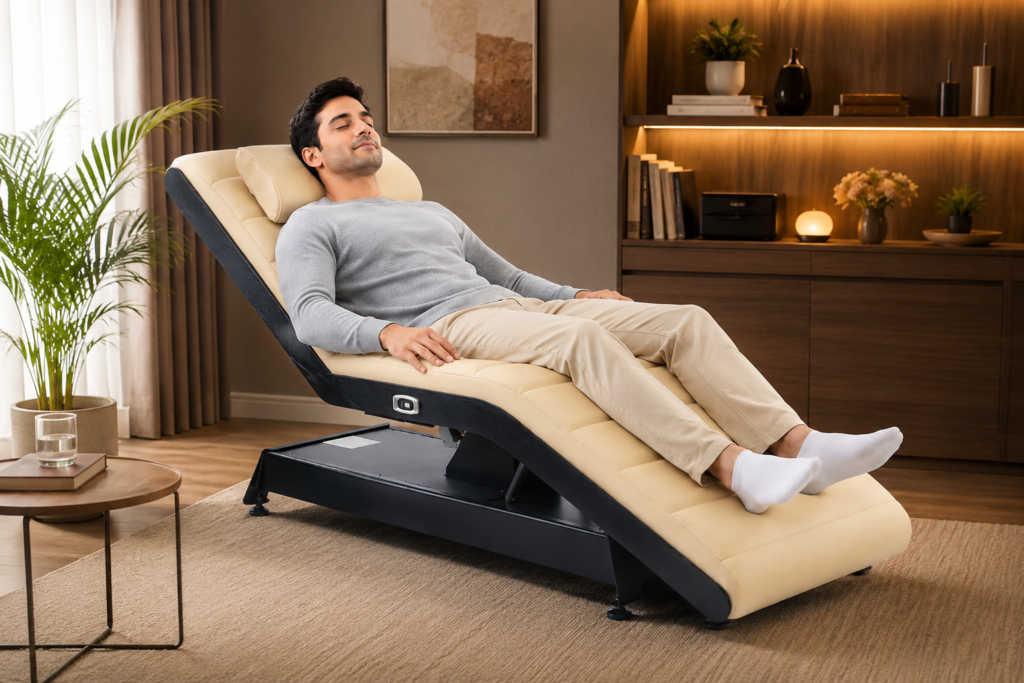

Few pieces of furniture blend comfort and style quite like chaise loungers. Whether you picture one stretched out on a sunny patio, tucked into a reading nook, or anchoring a stylish living room corner, this versatile seating option has earned its place as a household favorite.
With so many shapes, materials, and features available in the market, picking the right one can feel overwhelming. Understanding the key considerations before buying one can help you find a chaise lounger that fits your home and lifestyle.
What Exactly Is a Chaise Lounger?
A chaise lounger is an elongated chair designed to support your entire body, including your legs, in a reclined or fully extended position. The name comes from the French phrase “chaise longue,” meaning “long chair.” Unlike a standard armchair or sofa, a chaise lets you stretch out completely, making it ideal for lounging, napping, or simply relaxing after a long day.
Chaise loungers come in indoor and outdoor varieties, and their design has evolved far beyond the classic Victorian-style fainting couch. Today’s options range from sleek modern recliners to rugged, weatherproof outdoor models built for the pool deck.
Indoor vs. Outdoor Chaise Loungers
Before shopping, decide where the piece will go, since that determines the materials, cushioning, and frame construction you should look for.
Indoor chaise loungers typically feature upholstered fabric or leather, wooden or metal frames, and softer, plush cushioning meant for everyday comfort inside a climate-controlled home. They work well in bedrooms, living rooms, and home offices as a stylish accent piece.
Outdoor chaise loungers are built to withstand sun, rain, and humidity. Look for frames made from teak, aluminum, resin wicker, or powder-coated steel, paired with weather-resistant fabrics like olefin or solution-dyed acrylic. Many outdoor models also include wheels for easy repositioning around a pool or patio.
Key Factors to Consider When Buying
Once you’ve settled on indoor or outdoor use, the next step is narrowing down the details that actually affect comfort, durability, and long-term value. From the materials holding the frame together to how easily the piece adjusts to your body, small decisions add up to a big difference in how much you’ll actually enjoy your chaise lounger.
-
Material and Durability
The frame material affects both longevity and maintenance. Wood offers a classic, warm look but may require sealing or staining over time. Metal frames are lightweight and often rust-resistant when properly coated. Wicker and rattan bring texture and a relaxed aesthetic, especially for outdoor spaces, though synthetic versions hold up better against the elements than natural fiber.
-
Comfort and Cushioning
If possible, test the cushion density before buying. High-density foam retains its shape longer than lower-quality padding, which can flatten within a season. For outdoor pieces, quick-dry foam is a smart choice since it won’t hold water after rain.
-
Adjustability
Some chaise loungers are stationary, while others include adjustable or reclining mechanisms. Your choice depends on how much flexibility you want.
A stationary chaise is a great choice if you mainly want attractive, comfortable seating. Adjustable models offer additional flexibility for reading, watching television, napping, or relaxing.
If you want ergonomic reclining support, a zero-gravity recliner chair may be worth considering. These chairs are designed around a reclining position that helps in optimum distribution of body weight and creates a relaxed seating posture.
Before deciding, consider whether you need simple lounging or a more adjustable seating experience.
-
Size and Space
Measure your available space before purchasing. Chaise loungers can range from compact 60-inch models to expansive 80-inch designs meant for taller individuals. If you’re placing it on a patio, account for extra clearance so people can walk around it comfortably.
In a living room, a chaise can create a dedicated relaxation area near a window or beside a sofa. In a bedroom, it can provide a comfortable spot for reading or getting ready. A sunroom can benefit from a chaise positioned toward natural light.
Avoid blocking doors, windows, heating vents, or frequently used walkways. Leave enough room around the furniture so the space remains easy to navigate.
You should also consider natural lighting. A chaise near a window can make an excellent reading area, while a darker corner may work better as a quiet relaxation space.
-
Portability
If you plan to move your chaise lounger frequently, whether to chase shade around the yard or store it during winter, look for lightweight materials like aluminum or foldable designs. Many zero-gravity recliner chair models fold flat for easy storage, which is a major advantage for smaller homes or seasonal use.
-
Style Considerations
Your chaise lounger should complement your existing decor. For a minimalist or contemporary space, choose clean lines and neutral upholstery. For a more traditional look, consider tufted cushions and wooden legs. Outdoor spaces often benefit from natural tones like beige, taupe, or navy that blend with landscaping and won’t show wear as quickly as bright whites.
Set a Realistic Budget
Prices for chaise loungers vary significantly based on materials, size, construction, upholstery, and features. Establishing a budget before shopping can help narrow your options.
Instead of focusing only on the lowest price, consider long-term value. A well-built chaise may cost more initially but provide better comfort and durability.
Factor in delivery costs, assembly, warranties, and maintenance requirements. These additional expenses contribute to the overall cost of the lounger.
Final Thoughts
Choosing the right chaise lounger comes down to understanding your space, your comfort priorities, and how you plan to use the piece. Whether you choose a classic upholstered indoor chaise or a sturdy outdoor one, focus on quality materials, proper sizing, and adjustability to find a piece that offers years of relaxed, comfortable enjoyment.