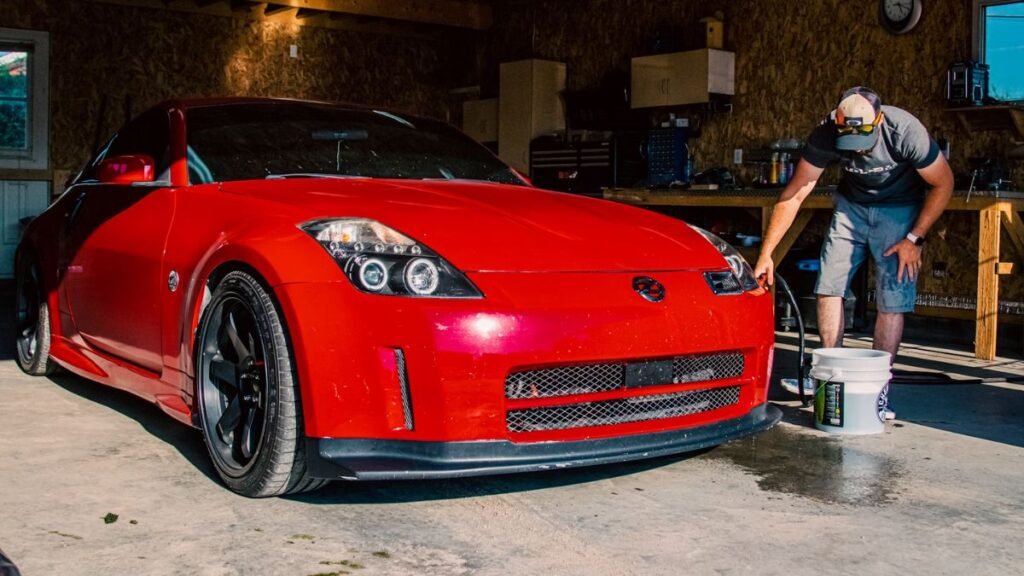

A vehicle can develop surface contamination even when it is regularly washed. Fine particles, construction residue, paint-related material, and other substances can settle on exterior surfaces and create a rough or uneven feel.
Some contamination is easy to identify, while other residue may only become noticeable when a vehicle is washed or when the paint is touched. Identifying the problem correctly is the first step toward choosing an appropriate cleaning method.
How Unwanted Material Reaches a Vehicle
Vehicles are constantly exposed to their surroundings. Parking near construction activity, road work, painting projects, or other busy areas can increase the chance of unwanted material settling on the exterior.
Even short exposure can sometimes leave small particles on the surface.
The longer residue remains on a vehicle, the more attention may be required to remove it safely.
Look for Changes in Surface Texture
One sign of exterior contamination is a rough feeling when lightly touching a properly cleaned surface.
Paint normally feels relatively smooth. If certain sections feel gritty or uneven after washing, there may be bonded contamination that ordinary soap has not removed.
A visual inspection alone may not always reveal the full extent of the problem.
Overspray Is Different From Ordinary Dirt
Regular dirt can often be removed through normal washing. Overspray and other bonded material can behave differently.
Unwanted paint particles may settle onto nearby vehicles and remain attached to exterior surfaces. Trying to remove them using excessive pressure or unsuitable products can potentially create additional surface marks.
This is why the type of contamination should be identified before treatment begins.
Check More Than One Panel
Surface contamination does not necessarily appear in only one location.
Depending on where the vehicle was parked or how it was exposed, residue may affect several exterior sections. Doors, fenders, hood, roof, windows, and other surfaces may need inspection.
Checking the complete exterior helps determine the scope of the cleaning job rather than focusing on the first visible spot.
Glass Can Also Be Affected
Vehicle glass is not always protected from environmental residue.
Paint particles and other unwanted material can settle on windows and mirrors as well as painted panels. Because glass has a different surface from automotive paint, the cleaning approach may also need to be adjusted.
Each affected surface should be treated according to its material.
Avoid Random Scrubbing
When vehicle owners notice unwanted residue, the first reaction may be to scrub harder.
However, more pressure is not always the right solution. Aggressive scrubbing or unsuitable tools can create scratches or other surface problems.
A controlled approach is generally preferable, particularly when the vehicle has delicate or previously treated surfaces.
Determine the Extent of the Problem
A small affected area may require a different approach from widespread contamination.
Before beginning removal, it is useful to inspect the vehicle in good lighting and identify how much of the exterior is affected.
This assessment can help determine the amount of work involved and whether additional detailing may be necessary afterward.
Existing Paint Condition Matters
The condition of the vehicle’s paint can influence the removal process.
Older finishes, previously corrected surfaces, existing scratches, and other imperfections may require additional care. A professional should consider the current condition before using any method that could affect the surface.
This is one reason an inspection is useful before contamination removal.
Removal Should Protect the Underlying Surface
The goal of contamination removal is not simply to make the unwanted material disappear. The underlying vehicle surface also needs to be considered.
A suitable process should aim to remove the residue while minimizing unnecessary stress on the paint, glass, or trim.
The appropriate technique depends on the type of material, how strongly it is attached, and the condition of the affected surface.
What Happens After Removal?
Removing contamination may reveal the actual condition of the vehicle underneath.
A surface that appeared dull because of residue may look much cleaner afterward. In other cases, existing scratches, marks, or paint imperfections may become more visible once the unwanted material is gone.
Additional polishing or paint-focused work may be considered if the surface requires further improvement.
Prevention Starts With Parking Choices
Vehicle owners cannot control every environmental condition, but parking choices can sometimes reduce exposure.
Avoiding unnecessary parking near active construction, painting work, or areas with heavy airborne residue may lower the chance of contamination.
When exposure does occur, inspecting the vehicle soon afterward can help identify problems before they become more difficult to address.
Do Not Wait for the Problem to Spread
Surface contamination can become more noticeable over time. Leaving unwanted material on the exterior for an extended period may make the vehicle harder to clean later.
Checking the surface after unusual exposure is a simple maintenance habit.
Early attention does not guarantee that every problem will be easy to remove, but it can help vehicle owners identify the issue sooner.
Professional Assessment Can Be Useful
Not every exterior mark is overspray. What looks like paint contamination could sometimes be water spotting, road residue, tar, oxidation, or another surface issue.
A professional inspection can help distinguish between different types of contamination before treatment begins.
For drivers searching for Overspray Removal in Westchester, CA, Double R Mobile Detailing can provide an option for addressing unwanted exterior material based on the vehicle’s condition.
Maintain the Surface After Treatment
Once unwanted contamination has been removed, regular exterior care can help keep the vehicle cleaner.
Gentle washing, suitable drying methods, and prompt attention to new residue can reduce the chance of heavy buildup.
If the vehicle regularly encounters construction areas or other sources of airborne contamination, more frequent inspections may also be useful.
A Careful Approach Makes a Difference
Unwanted surface residue can change the way a vehicle looks and feels, even when the rest of the exterior appears reasonably clean.
Identifying the type of contamination, checking the affected areas, considering the paint’s condition, and using an appropriate removal process can help protect the vehicle’s overall appearance.
For vehicle owners considering Overspray Removal in Westchester, CA, professional evaluation can be a practical starting point. Addressing contamination carefully rather than relying on aggressive DIY methods can help maintain the condition of the underlying exterior.