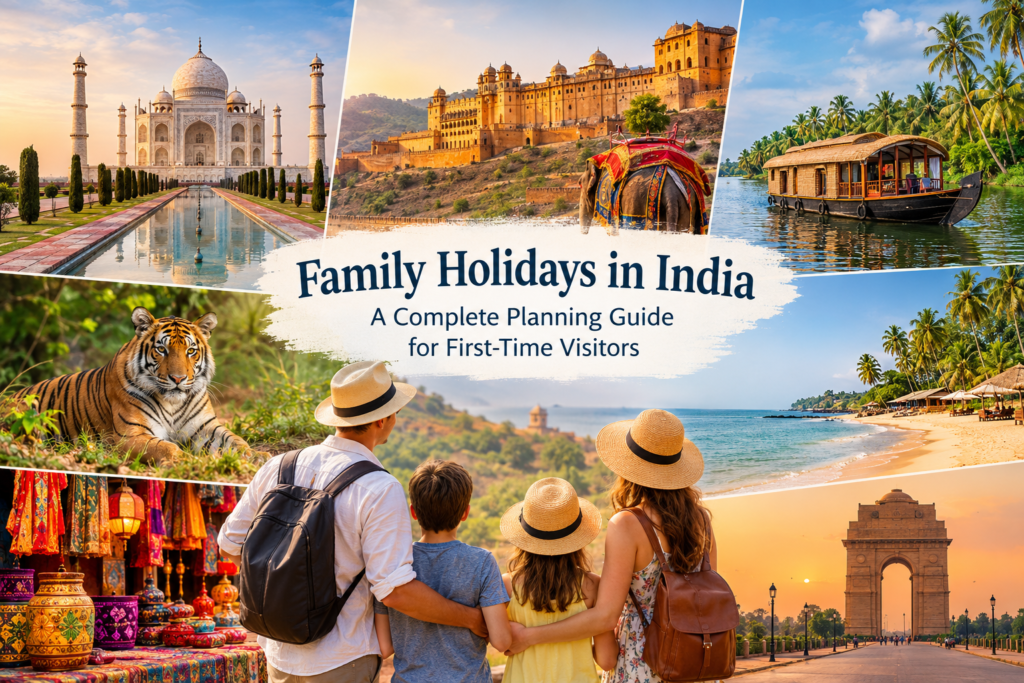

India is one of the most exciting destinations for families looking to explore a world of colourful cultures, magnificent landmarks, beautiful landscapes, and unforgettable experiences. From Rajasthan’s royal palaces and Kerala’s peaceful backwaters to Goa’s sandy beaches and the Himalayan mountains, the country offers something special for every generation. However, planning your first trip to India with children requires thoughtful preparation to ensure a comfortable, enjoyable, and memorable journey.
Planning a family holiday in India from the UK becomes easier when you understand the country’s diverse destinations, seasonal weather, transportation options, and family-friendly experiences. Whether you are travelling with toddlers, teenagers, or grandparents, choosing suitable accommodation and creating a balanced itinerary can make all the difference. This comprehensive guide will help first-time visitors organise rewarding family holidays in India, combining cultural exploration, relaxation, and exciting adventures.
Why Choose India for Your First Family Holiday?
India offers a remarkable combination of history, nature, adventure, and cultural experiences that appeal to travellers of all ages.
Children can explore ancient forts, discover fascinating wildlife, enjoy scenic train journeys, and experience traditional Indian festivals.
Parents can appreciate comfortable heritage hotels, beautiful resorts, and opportunities to discover regional cuisine and local traditions.
Another advantage is the variety of travel experiences available. Families can combine cultural sightseeing with relaxing beach holidays or peaceful mountain retreats.
With careful planning, India provides an opportunity for families to explore a different culture while creating meaningful memories together.
1. Choose the Best Time to Visit India with Children
India’s climate varies significantly between regions, making seasonal planning essential.
October to March: Generally the most comfortable period for exploring Delhi, Agra, Jaipur, Rajasthan, Goa, and much of Kerala.
April to June: Suitable for selected hill stations such as Shimla, Manali, and Darjeeling, where temperatures are usually cooler than in the northern plains.
July to September: The monsoon brings beautiful green landscapes but may also cause heavy rainfall, flooding, and travel disruptions.
Families travelling during British school holidays should choose destinations according to regional weather conditions.
For first-time visitors, the cooler winter months often provide the most comfortable sightseeing experience.
2. Select the Best Family-Friendly Destinations
India offers numerous destinations suitable for children, each providing different attractions and experiences.
Delhi – History and Cultural Discovery
Delhi combines magnificent historical monuments with modern attractions.
Families can explore India Gate, Humayun’s Tomb, Lodhi Garden, and interactive museums.
The capital also provides convenient international flight connections, making it a practical starting point.
Agra – Discover the Taj Mahal
Agra is home to the world-famous Taj Mahal, one of India’s most remarkable architectural landmarks.
Children can learn about Mughal history while exploring the Taj Mahal and Agra Fort.
Agra is easily combined with Delhi and Jaipur on a Golden Triangle itinerary.
Jaipur – Experience Royal Rajasthan
Jaipur offers magnificent forts, colourful markets, and fascinating royal heritage.
Families can visit Amber Fort, City Palace, and Jantar Mantar.
Heritage hotels and cultural workshops add memorable experiences to the journey.
Kerala – Nature and Relaxation
Kerala is ideal for families who enjoy peaceful landscapes and gentle adventures.
Explore Munnar’s tea plantations, discover scenic backwaters, and relax at comfortable resorts.
Goa – Beaches and Family Fun
Goa provides beautiful beaches, coastal attractions, and family-friendly accommodation.
It is particularly suitable for families seeking relaxation after exploring India’s historic cities.
3. Plan a Comfortable Family-Friendly Itinerary
A well-balanced itinerary allows families to explore India’s highlights without spending too much time travelling.
For first-time visitors, a ten to fourteen-day holiday provides an excellent introduction.
Suggested 12-Day Family Itinerary
Days 1–3: Delhi
Arrive in Delhi, adjust to the local time, and explore historic monuments, gardens, and museums.
Days 4–5: Agra
Travel to Agra to visit the Taj Mahal and Agra Fort.
Days 6–8: Jaipur
Discover Amber Fort, City Palace, and Jaipur’s colourful cultural attractions.
Days 9–11: Goa
Fly to Goa, usually via a connecting airport, and enjoy relaxing beach activities and comfortable resort facilities.
Day 12: Departure
Travel to your international departure airport, allowing sufficient time for domestic connections.
Families with younger children may prefer additional rest days or fewer destinations.
4. Book Suitable Family Accommodation
Comfortable accommodation is essential when travelling with children.
Look for hotels offering spacious family rooms, connecting bedrooms, swimming pools, and convenient dining facilities.
Families travelling with toddlers should confirm the availability of cots, high chairs, and suitable room arrangements.
India also offers unique accommodation experiences, including heritage hotels in Rajasthan, peaceful backwater resorts in Kerala, and beachfront properties in Goa.
Choosing accommodation close to major attractions can reduce travel time and make sightseeing more manageable.
5. Arrange Convenient Transportation
India’s extensive transport network includes private vehicles, domestic flights, and train services.
Private cars with experienced drivers are particularly convenient for routes such as Delhi, Agra, and Jaipur.
For longer distances, domestic flights can save valuable holiday time.
Reserved, air-conditioned train journeys can also provide memorable experiences for families.
Parents should request suitable child car seats in advance, as they may not be routinely available.
Allow extra time for traffic delays, airport procedures, and rest stops.
6. Follow Essential Health and Safety Precautions
Health and safety preparation is particularly important when visiting India for the first time.
Before departure, consult a travel healthcare professional about recommended vaccinations and regional health precautions.
During your holiday, follow these practical guidelines:
- Drink sealed bottled or appropriately treated water.
- Choose freshly cooked meals from hygienic establishments.
- Carry prescribed medication and basic first-aid supplies.
- Use sunscreen and suitable mosquito repellent.
- Keep children close in crowded tourist areas.
- Avoid approaching or feeding unfamiliar animals.
British travellers should also check the latest official travel advice and arrange comprehensive family travel insurance.
7. Discover Activities Children Will Enjoy
India offers numerous experiences that combine entertainment with education.
Children can explore magnificent forts, enjoy wildlife safaris, discover traditional crafts, and participate in cultural workshops.
A scenic train journey through the mountains can be particularly exciting for younger travellers.
Families may also enjoy cooking experiences, nature walks, museum visits, and relaxing beach activities.
Choosing attractions according to children’s interests helps maintain enthusiasm throughout the journey.
Remember to include opportunities for rest between busy sightseeing days.
8. Pack Smartly for Different Indian Climates
Packing appropriately can make travelling around India considerably easier.
Lightweight, breathable clothing is suitable for warmer destinations, while jackets and layers are useful for cooler regions.
Comfortable walking shoes, sunscreen, reusable water bottles, and personal medication are essential.
Families travelling with infants should bring sufficient childcare supplies for transfers and the first few days.
Keep passports, visas, insurance information, and emergency contacts easily accessible.
A small day bag containing snacks, wipes, and entertainment can be particularly useful during sightseeing.
9. Understand Travel Documents and Entry Requirements
Before travelling, ensure every family member has a valid passport and the appropriate Indian visa or other entry permission.
British passport holders should check the latest entry requirements through official Indian government services.
Parents travelling alone with children may need additional documentation depending on their circumstances.
Comprehensive travel insurance should cover medical treatment, cancellations, and planned activities.
Keeping digital copies of important documents provides additional reassurance.
10. Make Your First Family Trip Stress-Free
One of the most important aspects of successful family travel is maintaining a realistic schedule.
Avoid visiting too many attractions in a single day, particularly when travelling with younger children.
Allow time to adjust after international flights and include regular opportunities for relaxation.
Private guided sightseeing can make cultural attractions more engaging by introducing children to fascinating historical stories.
Choosing destinations within the same region can also reduce unnecessary transfers.
A flexible itinerary allows families to enjoy spontaneous discoveries without feeling rushed.
Conclusion
India offers an extraordinary introduction to cultural exploration, beautiful landscapes, and unforgettable family adventures.
From Delhi’s historic monuments and Agra’s magnificent Taj Mahal to Jaipur’s royal palaces, Kerala’s peaceful backwaters, and Goa’s sunny beaches, every destination provides something memorable.
Indian Odyssey is a UK based travel company creating personalised journeys designed around individual family interests and travel preferences. With carefully selected destinations, comfortable accommodation, and thoughtfully planned experiences, first-time visitors can discover India’s remarkable diversity while enjoying quality time together.
A well-organised family adventure provides more than a holiday—it creates meaningful experiences and lasting memories for every generation.