


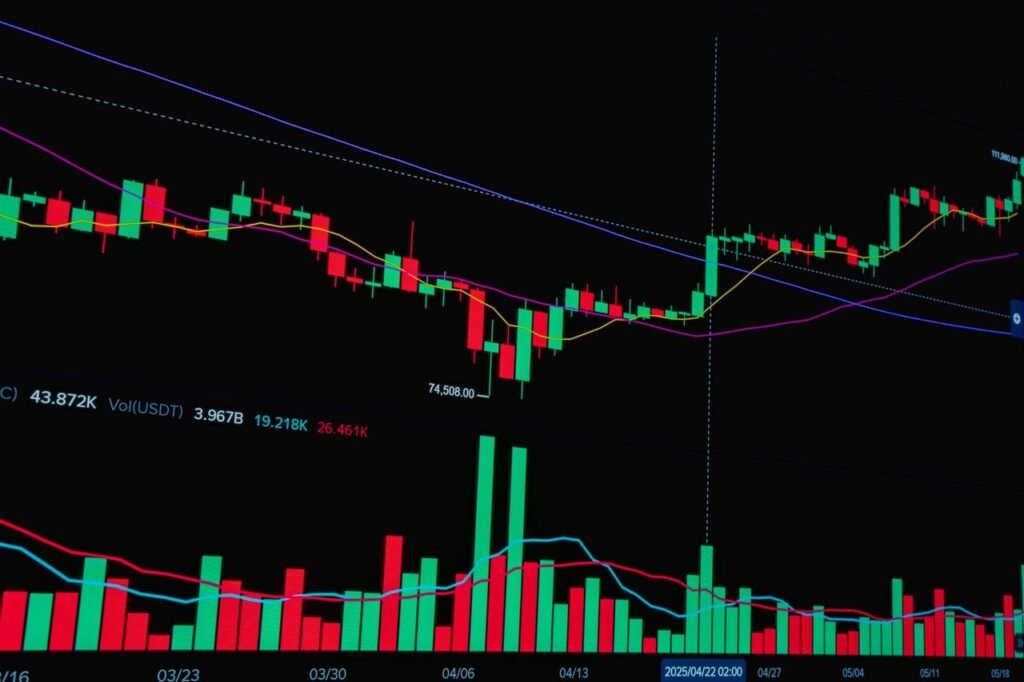

In forex trading, prices move up and down—and traders can potentially profit from either direction. The key is knowing when to buy, when to sell, and how to manage the risks involved.
A long position aims to profit from rising prices, while a short position aims to profit from falling prices. Although these concepts sound simple, choosing the wrong direction, using excessive leverage, or ignoring trading costs can quickly turn a promising setup into a loss.
In this guide, we’ll explain long and short positions in forex trading, compare them across markets, and cover practical strategies and common mistakes every beginner should avoid.
What Is a Long Position?
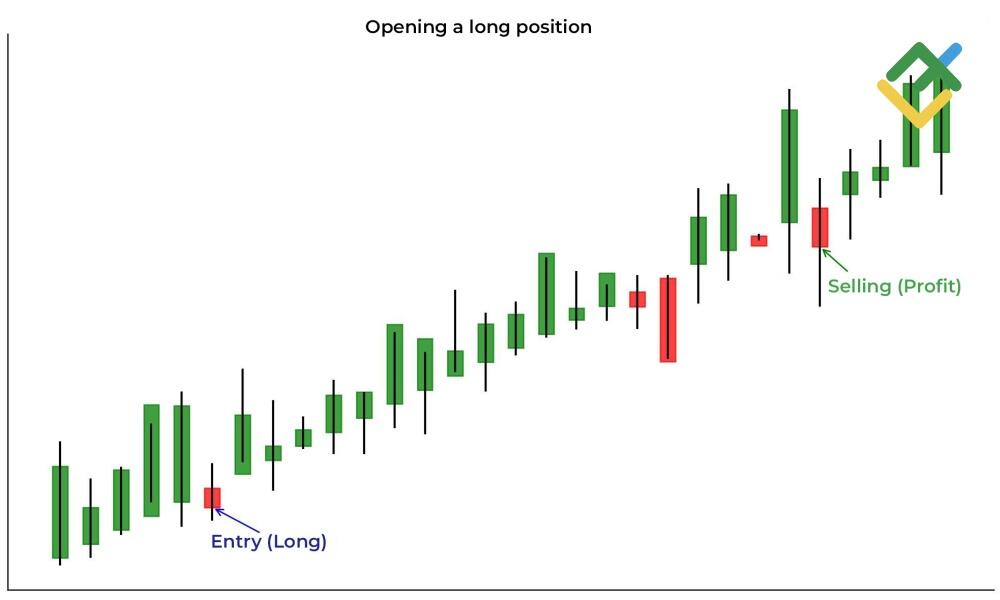
A long position is a trade opened when you expect an asset’s price to rise. You buy at one price and aim to close the trade at a higher price, profiting from the difference after costs.
For example, suppose EUR/USD is trading at 1.1000. You buy the currency pair because you expect the euro to strengthen against the US dollar. If the exchange rate rises to 1.1100, your position moves in your favor.
However, if EUR/USD falls to 1.0900, your trade moves into a loss.
Traders commonly consider going long when an uptrend is developing, bullish price patterns appear, or economic conditions favor the base currency.
What Is a Short Position?
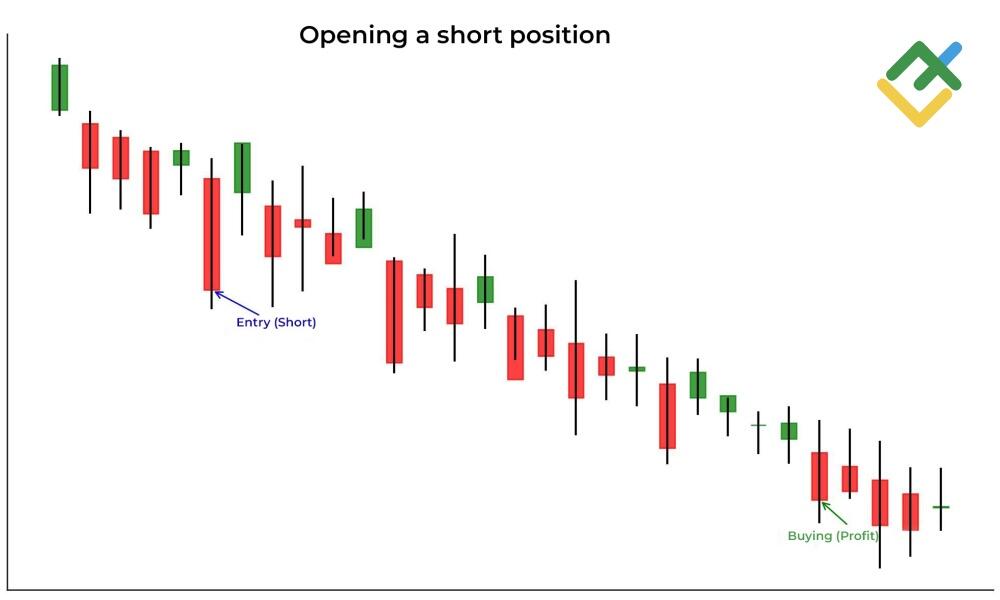
A short position is a trade opened when you expect an asset’s price to fall. You sell to open the position and aim to close it at a lower price.
For example, if EUR/USD is trading at 1.1000 and you expect the euro to weaken, you sell the pair. If the price falls to 1.0900, the movement favors your trade. If it rises to 1.1100, you incur a loss.
In retail forex trading, short positions are commonly opened through a broker rather than by physically borrowing and delivering currencies.
Traders may consider short positions when a market forms lower highs and lower lows, bearish momentum strengthens, or economic developments suggest that one currency may weaken relative to another.
Neither direction is automatically better. What matters is whether your trading idea, entry, and risk management suit the market conditions.
Long and Short Trading in Different Markets
Long and short positions work similarly across financial markets, but the mechanics depend on the instrument.
- Stocks: Buying shares creates a long position that may benefit from rising prices. Short selling typically involves borrowing shares and selling them, then buying them back later. Borrowing fees and short-sale restrictions may apply.
- Commodities: Traders can take long or short positions in gold, oil, and other commodities through instruments such as futures and contracts for difference (CFDs). Ownership and contract rules vary.
- Cryptocurrencies: Traders may buy digital assets directly or use derivatives to speculate on rising or falling prices. Derivatives can introduce leverage and liquidation risks.
- Forex: Traders buy or sell one currency against another. Every currency pair involves a relative comparison between two currencies, so going long on one currency pair means taking the opposite exposure to the other currency in that pair.
Long and Short Trading in Forex

Forex trading involves currency pairs, such as EUR/USD, GBP/USD, and USD/JPY. Each pair contains a base currency (the first currency) and a quote currency (the second).
When you buy EUR/USD, you go long on the euro and short on the US dollar. You expect the euro to appreciate relative to the dollar.
When you sell EUR/USD, you go short on the euro and long on the dollar. You expect the euro to depreciate relative to the dollar.
Consider a simplified example with a position size of 10,000 EUR:
- Long trade: Buy EUR/USD at 1.1000 and close at 1.1050. The 50-pip rise produces a gross profit of $50.
- Short trade: Sell EUR/USD at 1.1000 and close at 1.0950. The 50-pip fall also produces a gross profit of $50.
These examples assume a standard EUR/USD pip value of $1 per pip for a 10,000 EUR position and exclude spreads, commissions, financing, and slippage.
The examples illustrate an important principle: a comparable favorable price movement can produce a comparable gross result in either direction when position sizes are equal.
Risks, Costs, and Risk Management
Both long and short positions expose traders to losses when the market moves against them. Leverage magnifies the impact of price movements on the margin deposited, making position sizing especially important.
Common trading costs include:
- Spread: The difference between the bid and ask prices.
- Commission: A separate charge that some brokers apply.
- Overnight financing or swap: Charges or credits that may apply when positions are held overnight, depending on the broker, instrument, and applicable rates.
- Slippage: The difference between the expected execution price and the actual fill price.
To manage risk, consider these practices:
- Set a stop-loss level. Identify where your trading idea is invalidated and where you want the trade to close if the market moves against you. Stops do not guarantee execution at the specified price during gaps or fast markets.
- Calculate position size. Determine how much you could lose at your stop before entering the trade. For example, a hypothetical 1% risk on a $2,000 account is $20.
- Use leverage cautiously. A smaller margin requirement does not mean the trade carries little risk.
- Plan your exit. Establish a realistic profit target and assess the potential reward relative to the risk.
- Check market events. Central-bank decisions, inflation releases, and employment reports can trigger sharp price movements and wider spreads.
Risk controls cannot eliminate losses, but they can help make them more manageable.
Common Mistakes When Going Long or Short

1. Buying after a rally or selling after a sharp decline
Entering late because a market has already moved significantly can expose you to a reversal. Instead, identify a setup and entry criteria before committing.
2. Fighting a strong trend without confirmation
A price that looks expensive can continue rising, just as a declining market can keep falling. Avoid assuming that a market must reverse simply because it has moved far.
3. Ignoring the economic picture
Technical patterns can fail when unexpected news changes market expectations. Consider relevant economic releases and central-bank policy alongside your chart analysis.
4. Using excessive leverage
Large positions can turn small price fluctuations into substantial losses. Size trades according to your risk limit, not the maximum position your broker permits.
5. Moving stop-losses to avoid taking a loss
Widening a stop simply because a trade is going badly can increase the potential damage. Define your exit rules in advance and follow them consistently.
6. Overtrading or chasing losses
Repeatedly entering trades out of frustration can undermine an otherwise sensible strategy. Keep a trading journal and evaluate decisions using evidence rather than emotion.
How to Decide Whether to Go Long or Short
There is no reliable way to predict every market move. Instead, use a consistent process to evaluate potential opportunities.
- Follow the trend: Look for higher highs and higher lows for a possible long setup, or lower highs and lower lows for a possible short setup.
- Identify key price levels: Support, resistance, and previous swing highs or lows can help you plan entries and exits.
- Confirm momentum: Indicators such as moving averages or the Relative Strength Index (RSI) can provide additional context, but they should not be treated as guarantees.
- Check fundamentals: Compare economic conditions and interest-rate expectations affecting both currencies.
- Calculate risk and reward: Confirm that the potential return justifies the risk and that the position fits your account.
- Test your approach: Practise on a demo account and review historical trades before risking real money.
Common strategies include trend-following, breakout trading, and pullback trading. Each can be applied to long or short setups, depending on the direction and conditions. No strategy wins every time, so test its performance after realistic costs.
Protecting Your Trading Capital With The Right Position
Understanding long and short positions is a fundamental step in forex trading. Going long means expecting a currency pair to rise; going short means expecting it to fall. Both directions offer opportunities, but neither guarantees a profit.
Protecting your trading capital is just as important as finding your next opportunity. The goal is to build a repeatable process, control position size, account for trading costs, and avoid decisions driven by fear or greed.
Educational disclaimer: Forex trading involves substantial risk, particularly when leverage is used. This article is for educational purposes only and does not constitute financial advice.
Sources
- Trading.com: Long vs Short Positions in Trading
- Myfxbook: Long and Short Positions
- U.S. Federal Reserve: Retail Forex Risk Disclosure
Author Bio: Carmina Natividad is a resident writer for FP Markets, a globally recognised Forex and CFD broker based in Australia, offering traders access to a wide range of financial markets, advanced trading platforms, and competitive trading conditions. She creates informative, easy-to-follow content on trading, investing, and personal finance, helping readers navigate the markets with confidence.
