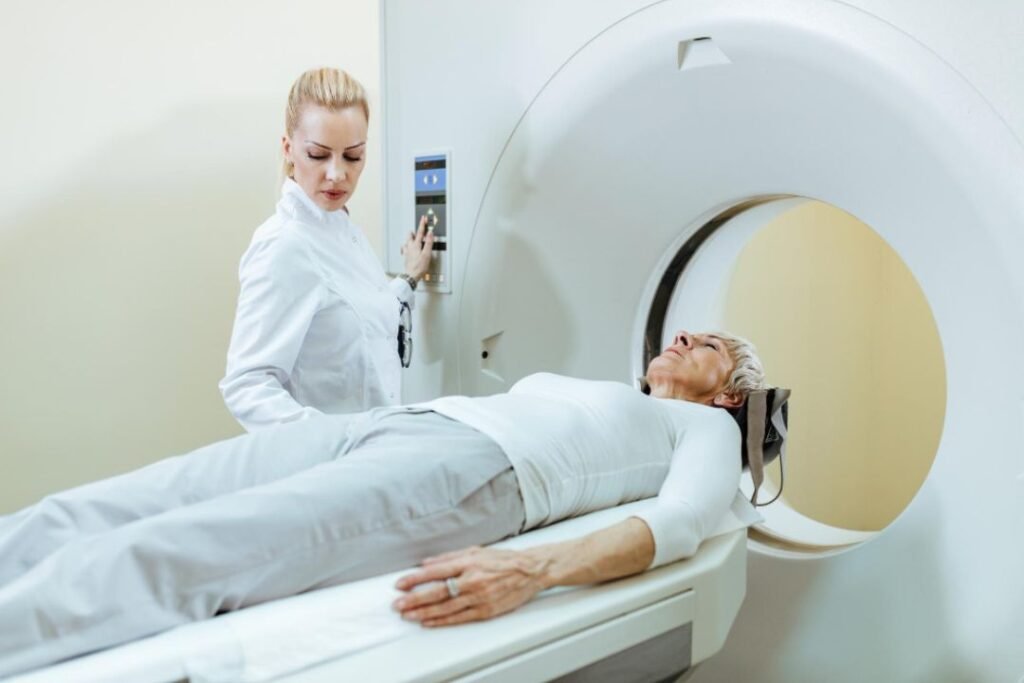

When a doctor recommends a diagnostic scan, it is natural to have questions about the procedure, preparation, duration, and cost. Medical imaging helps healthcare professionals examine different parts of the body and understand the possible causes of symptoms or monitor existing health conditions. Choosing a suitable diagnostic centre can help make the testing process more convenient and comfortable for patients.
If you are searching for Radiology Scans in Pune, understanding the differences between MRI, CT scans, X-rays, and ultrasound can help you prepare for your appointment. Each imaging method works differently and is selected according to the patient’s symptoms, medical history, and the doctor’s recommendation. Diagnopein Diagnostics provides diagnostic services to help patients access medical imaging and related healthcare facilities.
What Are Radiology Scans?
Radiology scans are medical imaging procedures that create pictures of the inside of the body. These images help doctors examine organs, bones, joints, blood vessels, and other internal structures without performing surgery.
Depending on the medical requirement, a doctor may recommend one or more of the following tests:
- MRI Scan: Uses a strong magnetic field and radio waves to create detailed images of internal body structures.
- CT Scan: Uses X-rays and computer processing to create cross-sectional images of the body.
- Ultrasound or Sonography: Uses sound waves to produce images of organs and other internal structures.
- X-Ray: Uses a small amount of ionising radiation to create images, particularly of bones and the chest.
These tests serve different purposes. The appropriate scan depends on what the doctor needs to examine.
Types of Radiology Scans Available in Pune
1. MRI Scan
Magnetic Resonance Imaging (MRI) produces detailed images of soft tissues, organs, joints, and certain parts of the nervous system. It uses a magnetic field and radio waves instead of ionising radiation.
Why Is an MRI Scan Recommended?
A doctor may recommend an MRI to examine:
- The brain and spinal cord
- Muscles, ligaments, and joints
- Certain internal organs
- Some causes of persistent pain or neurological symptoms
- Specific conditions that require detailed soft-tissue imaging
What Happens During an MRI?
The patient lies on a movable examination table that slides into the MRI scanner. The machine makes loud tapping or knocking sounds during image acquisition, so ear protection is generally provided. It is important to remain still to help obtain clear images.
An MRI scan commonly takes around 20–60 minutes, although the duration varies depending on the body part and scan protocol.
Preparation: Inform the imaging team about any implanted medical devices, metal fragments, previous surgeries, pregnancy, or other relevant medical information. Remove metal objects as instructed. Some scans require additional preparation or contrast material.
2. CT Scan
A Computed Tomography (CT) scan uses X-rays and computer technology to produce detailed cross-sectional images. It can help doctors examine internal structures quickly and assess a variety of medical conditions.
When Might a CT Scan Be Needed?
CT imaging may be used to examine:
- The brain and head
- The chest and lungs
- The abdomen and pelvis
- Bones and certain injuries
- Specific conditions requiring detailed internal imaging
How Does a CT Scan Work?
The patient lies on a table that moves through a ring-shaped scanner. The machine captures images from different angles while the patient remains still. The procedure is generally quick, with many routine scans taking approximately 5–30 minutes, depending on the examination.
Preparation: Some CT scans require fasting, while others do not. If contrast material is needed, the centre may provide additional instructions. Tell the healthcare team about allergies, kidney problems, pregnancy, and current medications when relevant.
Because CT scans use ionising radiation, the scan should be performed when clinically appropriate and as advised by a qualified healthcare professional.
3. Ultrasound and Sonography
Ultrasound, commonly called sonography, uses high-frequency sound waves to create images of internal organs and other body structures. It does not use ionising radiation.
Common Uses of Ultrasound
Doctors may recommend ultrasound for:
- Pregnancy-related examinations
- Abdominal organs, including the liver and gallbladder
- Pelvic organs
- Kidneys and urinary bladder
- Certain soft-tissue concerns
- Blood flow assessment through specialised Doppler ultrasound
What Should Patients Expect?
During the procedure, a sonographer or qualified healthcare professional applies gel to the skin and moves a handheld device over the area being examined. The images appear on a screen during the examination.
Many ultrasound examinations take around 15–30 minutes, although some may take longer.
Preparation: Requirements depend on the type of ultrasound. An abdominal scan may require fasting, while a pelvic ultrasound may require a full bladder. Follow the instructions provided by the diagnostic centre before your appointment.
4. X-Ray
An X-ray is a commonly used imaging test that helps examine bones and certain internal structures. It is often recommended for evaluating suspected fractures, some chest conditions, and other medical concerns.
The patient is positioned according to the body part being examined. The imaging team captures the required images while the patient remains still. Many routine X-rays take only a few minutes.
Inform the imaging team if you are pregnant or may be pregnant. They will assess the appropriate precautions based on the examination.
How to Choose a Radiology Scan Centre in Pune
Before booking a diagnostic imaging appointment, consider the following factors:
- Availability of the required scan: Confirm that the centre performs the specific examination recommended by your doctor.
- Qualified professionals: Check whether appropriately qualified imaging professionals and radiologists are involved in the service.
- Patient preparation guidance: Choose a centre that clearly explains fasting, contrast requirements, safety precautions, and other instructions.
- Report timelines: Ask when the report is expected to be available and how it will be provided.
- Location and accessibility: Consider travel time, appointment availability, and accessibility for elderly patients or people with mobility difficulties.
- Transparent pricing: Ask about the total cost, including any contrast material or additional services that may be required.
The most suitable imaging test is not necessarily the most advanced or expensive one. It is the test that meets the medical requirement identified by the treating doctor.
What Factors Affect Radiology Scan Costs in Pune?
The cost of radiology scans can vary between diagnostic centres and according to the examination required. Factors that may influence the final amount include:
- The type of scan, such as MRI, CT, ultrasound, or X-ray
- The body part being examined
- Whether contrast material is required
- The complexity of the imaging protocol
- Whether additional images or specialised sequences are needed
- The centre’s facilities and reporting arrangements
For an accurate estimate, contact the diagnostic centre with the name of the prescribed scan. Confirm whether the quoted amount includes contrast material, reporting, and any additional charges.
Why Choose Diagnopein Diagnostics?
Diagnopein Diagnostics offers diagnostic healthcare services across multiple locations, including Pune. Patients looking for medical imaging can enquire about the availability of the required scan and receive information about appointment arrangements and preparation instructions.
When contacting Diagnopein, patients can confirm:
- Availability of the required imaging service
- Preparation instructions before the examination
- Appointment timings and location details
- Expected report availability
- Applicable charges and any additional requirements
For a smooth experience, carry your doctor’s prescription, previous scan reports, relevant medical records, and details of any implanted devices or allergies, as applicable.