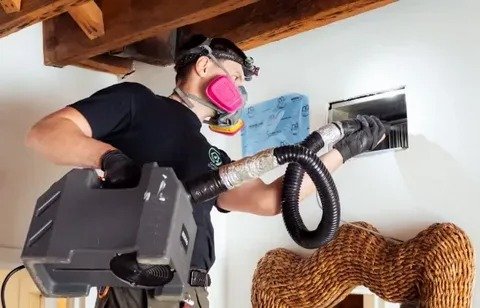

Dust around air vents, uneven airflow, and musty odors can make a home uncomfortable, especially when the heating or cooling system runs regularly. In San Francisco, where coastal conditions and seasonal wildfire smoke can affect indoor environments, homeowners sometimes overlook the condition of their ductwork. At Heating and Air Experts, we understand that a clean HVAC system starts with knowing what is happening inside it, not simply assuming every dusty vent needs professional attention.
What Air Duct Cleaning Actually Involves
Air ducts carry heated or cooled air from an HVAC system into different rooms throughout a property. Over time, dust, construction debris, pet hair, and other particles can collect inside the ductwork. Filters catch much of this material, but damaged filters, gaps, and poor maintenance can allow additional debris to enter the system.
Professional duct cleaning involves inspecting accessible sections, removing accumulated debris, and checking important HVAC components. Technicians may use negative-pressure vacuum equipment, rotary brushes, compressed-air tools, and specialized collection systems to remove contaminants without spreading them throughout the home.
In San Francisco, we’ve noticed that most homeowners pay attention to visible vent dust but rarely check the return-air side of their HVAC systems. This matters because return ducts draw indoor air back toward the equipment. Dust accumulation in these areas can affect system cleanliness even when supply registers appear relatively clean.
A proper inspection should also consider the blower compartment, evaporator coil, drain pan, and accessible duct connections. Cleaning only the visible vent covers does not address contamination deeper inside the system.
The goal is to identify actual buildup and determine which components need attention. Routine filter replacement and equipment inspections remain essential, but they do not automatically mean the entire duct network requires cleaning.
The Real Challenge in San Francisco Homes
San Francisco has a mild coastal climate, but that does not mean residential HVAC systems are free from environmental challenges. Coastal moisture, fog, outdoor particles, and occasional wildfire smoke can affect indoor conditions. Homes near busy roads may also experience additional dust entering through doors, windows, and ventilation openings.
Moisture deserves particular attention. If condensation develops around cooling equipment or inside poorly insulated duct sections, it can create conditions that support microbial growth. A blocked condensate drain, leaking connection, or damaged insulation may contribute to the problem.
Consider a common homeowner scenario: A family notices a musty smell whenever the heating system starts. They initially assume the ducts need a full cleaning, but an inspection reveals moisture collecting near the cooling coil and debris around the drain pan. Correcting the drainage issue and addressing the affected components becomes the priority. Cleaning without fixing the moisture source would only leave the underlying problem unresolved.
One concern many homeowners have is whether professional cleaning is worth the expense if they cannot see inside their ductwork. The answer depends on the actual condition of the system.
The U.S. Environmental Protection Agency does not recommend routine duct cleaning for every home. It identifies situations such as substantial mold growth, pest infestation, and excessive debris as reasons to consider professional attention. Light household dust alone does not automatically justify the expense.
US EPA+1
This is an important distinction: a trustworthy assessment should explain why cleaning is needed rather than automatically recommending an expensive package.
How Heating and Air Experts Approaches Duct Cleaning Differently
A Residential duct cleaning in San Francisco, CA begins with inspection, not equipment. Before recommending any work, technicians should understand the duct layout, identify the material used, and check whether the problem comes from dust accumulation, moisture, damaged connections, or another HVAC issue.
At Heating and Air Experts, the approach to this type of work should focus on the condition of the complete air distribution system. A useful inspection generally includes the following steps:
- Initial system inspection
The technician examines accessible supply and return ducts, registers, grilles, and HVAC components. Photographs can help homeowners understand what is actually happening inside less accessible areas.
- Protecting the home
Flooring, furniture, and nearby household items should be protected before work begins. Proper containment helps prevent loosened debris from spreading into occupied rooms.
- Removing accumulated debris
Professional vacuum collection equipment creates negative pressure inside the duct system. Brushes and air-driven tools loosen deposits so the collection equipment can capture them rather than releasing particles into the home.
- Checking connected components
The blower assembly, evaporator coil, drain pan, and accessible return-air sections should receive attention when inspection indicates contamination. Cleaning the ducts while ignoring a dirty component can allow debris to return.
- Final inspection
After the work, technicians should check the cleaned sections, confirm that access openings are properly sealed, and make sure registers and system components are correctly reinstalled.
An important detail that generic cleaning guides often overlook is the difference between cleaning and repairing. A vacuum cannot correct a disconnected duct, replace damaged insulation, or fix a leaking drain line. Those problems require separate corrective work.
The National Air Duct Cleaners Association (NADCA) provides industry guidance on source removal and HVAC system cleaning. Homeowners can use its standards as a reference when discussing the scope of a proposed job.
US EPA
For properties with older ductwork, technicians should also identify the material before selecting cleaning tools. Fiberglass-lined ducts and flexible ductwork require more careful handling than ordinary sheet-metal ducts.
Practical Tips: What to Know Before You Decide
A little preparation can help homeowners avoid unnecessary expenses and choose the right type of maintenance.
Check your air filter first. A clogged or incorrectly fitted filter can restrict airflow and allow particles to bypass the filtration system. Follow the manufacturer’s replacement schedule and inspect the filter more frequently if you have pets, ongoing renovation work, or unusually dusty indoor conditions.
Look beyond the vent covers. Dust on a grille does not necessarily mean the entire duct system is dirty. Remove loose surface dust carefully and ask for an inspection if you notice substantial debris coming from the supply vents.
Understand the difference between cleaning and maintenance. Air duct maintenance services can involve filter replacement, checking duct connections, inspecting insulation, examining drain lines, and maintaining HVAC components. These tasks help address the conditions that contribute to future contamination.
Ask what the quoted price includes. A professional estimate should explain whether it covers supply and return ducts, registers, the air handler, and other accessible components. Additional charges should be explained before work begins.
Be careful with mold treatment claims. Visible discoloration does not automatically confirm mold. Ask the technician to show you the affected area and explain how the problem was identified. If porous duct insulation is wet or moldy, replacement may be necessary instead of surface cleaning.
US EPA+1
In San Francisco, we’ve noticed that homeowners in older properties can face additional challenges because ductwork may run through tight spaces, older building cavities, or areas with limited access. Before booking, ask whether the contractor has experience working with the type of duct system installed in your property.
Another useful consideration is wildfire smoke. During smoke events, outdoor air particles can enter through openings and ventilation systems. Replacing filters with the highest efficiency rating approved for your HVAC equipment, while maintaining proper airflow, is a sensible first step. Duct cleaning should be based on actual contamination rather than the assumption that every smoke event requires it.
For residential duct cleaning, homeowners should also request before-and-after photographs when practical. These provide a clearer record of the areas treated and make it easier to discuss any remaining concerns.
Make a Better Decision About Your Home’s Ductwork
Clean, properly maintained ductwork is one part of a dependable indoor comfort system. Start with an inspection, address moisture or airflow problems, and arrange professional cleaning only when the condition of the system supports it. Heating and Air Experts can help San Francisco homeowners understand their HVAC maintenance needs and determine whether professional duct cleaning is appropriate.
FAQs
1. How often should air ducts be cleaned in San Francisco?
There is no fixed cleaning schedule that applies to every property. The frequency depends on household conditions, filter maintenance, pets, renovation activity, and visible contamination. Homeowners should arrange an inspection when they notice excessive debris, pest activity, or suspected moisture problems rather than automatically booking annual cleaning.
2. How much does professional duct cleaning cost in San Francisco?
The price depends on home size, vent count, duct material, accessibility, and contamination levels. Angi’s San Francisco cost guide reported an average of approximately $347, with many projects ranging from $252 to $449. Request an itemized estimate so you understand exactly which HVAC components are included.
Angi
3. Does air duct cleaning improve indoor air quality?
It can help remove accumulated debris from a contaminated HVAC system, but it does not guarantee better indoor air quality or prevent health problems. Other sources, including cooking, outdoor pollution, and household dust, also affect indoor air. Proper filtration, ventilation, and moisture control remain essential.
4. How can I tell if an air duct cleaning company is trustworthy?
Look for a contractor who inspects the system before quoting, explains the cleaning process, provides clear pricing, and shows evidence of contamination. Ask about insurance, relevant licenses, and industry training. Be cautious of companies promising guaranteed health improvements or insisting every home needs annual duct cleaning.
5. Is professional duct cleaning necessary for every home?
No. Many homes operate safely without frequent duct cleaning. The EPA recommends considering it when substantial mold growth, pest infestation, or excessive dust and debris are present. Regular filter changes, HVAC inspections, and moisture control can help prevent contamination and reduce the need for unnecessary cleaning.