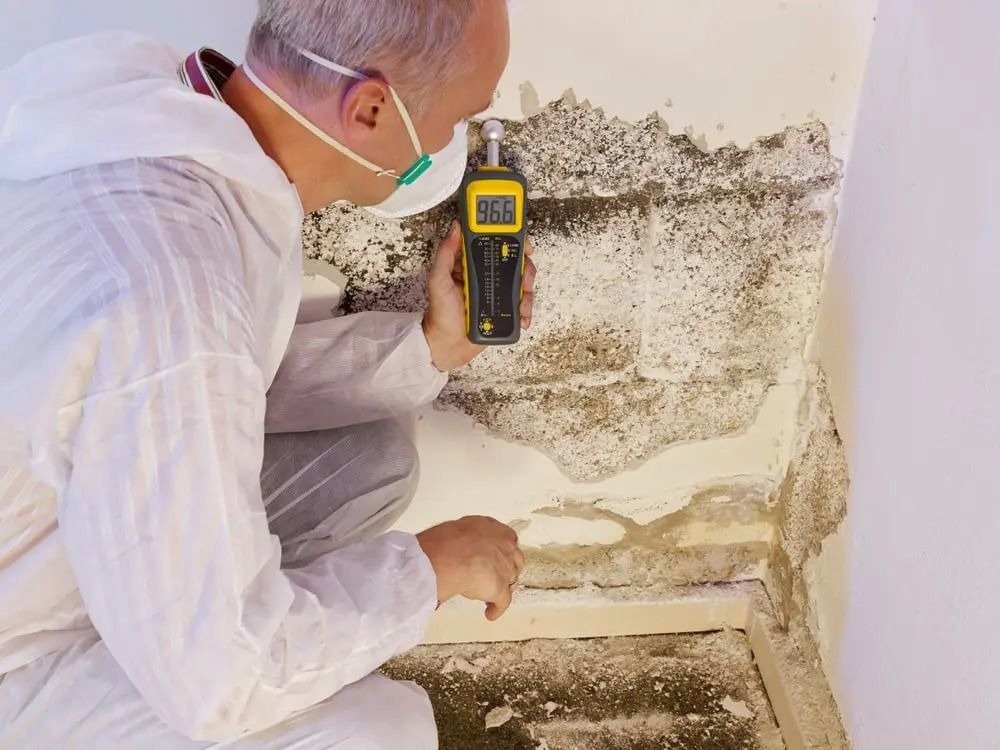

A home can look clean, well-maintained, and perfectly comfortable while hiding problems behind basement walls or beneath the flooring. Moisture buildup and radon gas are two concerns that homeowners in Covington, KY, should not overlook. Northern Kentucky Inspections recognize the value of understanding these hidden conditions before they become expensive surprises. A closer look at indoor moisture and air quality can help homeowners make informed decisions about their properties.
What Mold and Radon Inspections Actually Cover
Mold and radon are different environmental concerns, but both can affect the conditions inside a home. Mold develops when moisture remains on surfaces long enough to support fungal growth. Radon, on the other hand, is a naturally occurring radioactive gas that forms through the breakdown of uranium in soil and rock. It can enter buildings through cracks, floor joints, foundation openings, and other pathways.
A property assessment examines these concerns through separate inspection and testing methods. A mold assessment generally involves checking visible surfaces, identifying moisture sources, and examining areas where water damage may have occurred. Depending on the situation, air or surface samples may help determine the types and concentration of mold spores present.
Professional Mold Inspection and Testing in Covington, KY can be useful when homeowners notice persistent musty odors, unexplained water stains, or recurring dampness. However, laboratory testing is not necessary in every situation. The Kentucky Energy and Environment Cabinet advises homeowners to look for visible growth and water damage first because there are no established acceptable indoor mold exposure limits.
Radon requires a different approach because the gas has no smell, color, or taste. A testing device measures its concentration in the indoor air over a specified period. Results are generally reported in picocuries per liter (pCi/L).
In Covington, homeowners often pay attention to visible basement moisture but overlook less obvious environmental concerns. A dry-looking basement does not automatically mean the indoor environment is free from mold or radon.
Both assessments provide different information, and neither should be treated as a replacement for the other. Understanding their individual purposes helps property owners decide what needs attention.
The Real Challenge in Covington, KY
Covington’s location in the Ohio River Valley brings seasonal humidity, rainfall, and changing temperatures that can create moisture-related challenges for residential properties. Older houses may also have stone or masonry foundations, aging drainage systems, and basement construction that makes moisture control more difficult.
During wet seasons, groundwater pressure and poor exterior drainage can contribute to water entering basements. Even small plumbing leaks, condensation around cold pipes, or inadequate ventilation can create conditions where mold develops.
Radon presents a different challenge. Since it moves upward from the ground, it can enter through foundation openings even when a property has no obvious moisture damage. Testing is the only reliable way to determine whether indoor concentrations are elevated.
Consider a common homeowner scenario: A family in Covington notices a musty smell after several days of heavy rainfall. They discover dampness near a basement wall but cannot identify where the moisture originates. A closer assessment may reveal water intrusion around the foundation, while separate radon testing in Covington, KY determines whether the indoor air has elevated radon levels. Addressing both concerns requires identifying their individual causes rather than assuming one problem explains everything.
Does Every Musty Smell Mean Mold?
This is one concern that deserves a straightforward answer: No. A musty odor can indicate mold growth, but it may also come from stagnant air, damp building materials, floor drains, or other sources.
Similarly, finding mold does not automatically mean an entire property has an indoor air quality problem. The affected area, moisture source, and extent of growth all matter.
Another commonly overlooked issue is the assumption that a finished basement is protected from radon. Carpet, drywall, and finished flooring do not prevent soil gases from entering through the foundation. A visually attractive renovation cannot establish whether radon levels are safe.
The right response is to investigate the source of the concern rather than relying on appearances or assumptions.
How Northern Kentucky Inspections Approaches the Assessment
A useful inspection starts with understanding the property’s condition rather than immediately recommending additional testing or repairs. Each concern needs its own assessment method, and the findings should be explained in language homeowners can understand.
For Northern Kentucky Inspections, a sensible inspection framework for Covington properties should consider several important areas.
1. Examining Areas Prone to Moisture
Basements, crawl spaces, bathrooms, laundry rooms, kitchens, and utility areas deserve particular attention. These locations commonly experience plumbing leaks, condensation, inadequate ventilation, or water intrusion.
An inspection should look for:
- Discoloration on ceilings, walls, and flooring.
- Peeling paint, bubbling drywall, or damaged trim.
- Musty odors around enclosed spaces.
- Condensation on windows and plumbing lines.
- Water stains near foundation walls.
- Signs of previous leaks or incomplete repairs.
A moisture meter can help identify elevated moisture within certain building materials. Thermal imaging may also help locate temperature differences that warrant further investigation, although it does not directly confirm mold growth.
2. Identifying Conditions That Support Mold Growth
Finding visible mold is only part of the assessment. Understanding why it developed is equally important.
A leaking supply line, damaged roof flashing, clogged gutter, or poorly directed downspout can introduce moisture into the building. Without correcting that source, mold may return after cleanup.
Where appropriate, sampling can provide additional information about airborne or surface mold. However, laboratory results should be interpreted alongside the visual findings and moisture conditions. There is no universal indoor mold concentration that establishes a property as safe or unsafe.
3. Measuring Indoor Radon Levels
Radon testing requires properly positioned measurement equipment and controlled testing conditions. The device should be placed according to the applicable testing protocol, usually on the lowest level that could be regularly occupied.
For a short-term test, EPA guidance generally requires at least 48 hours, although certain devices require longer periods. Closed-building conditions also matter because opening windows or frequently changing ventilation can affect results.
The EPA recommends taking action to reduce radon when results reach or exceed 4 pCi/L. Homeowners should understand that lower readings do not mean there is absolutely no risk.
4. Explaining Findings and Next Steps
An inspection report should distinguish between confirmed observations, possible causes, and conditions requiring further investigation.
For example, a moisture reading may identify a damp area without proving that mold is present. Likewise, a radon result provides a measurement for the testing period rather than a permanent guarantee about future indoor conditions.
This distinction is one area where generic inspection information often falls short. Homeowners need more than a list of problems; they need to understand what the findings mean, which issues require attention, and what steps should follow.
Practical Tips: What to Know Before You Decide
Preparing for an environmental assessment can make the process more useful. Homeowners should think about the property’s history, recent changes, and any conditions that may affect testing.
A recurring pattern in Covington homes is that moisture concerns become noticeable after extended rainfall or during seasonal temperature changes. Paying attention to these patterns can help identify where an inspection should focus.
Here are several practical considerations before scheduling an assessment.
Check the Basement and Foundation
Walk through the basement and look for water stains, damp corners, cracked foundation surfaces, and peeling materials. Pay attention to areas where exterior soil slopes toward the house.
Also inspect gutters and downspouts. Water discharged too close to the foundation can increase moisture around basement walls, particularly during periods of heavy rainfall.
Do Not Cover Up Visible Mold
Painting over discolored drywall or applying a household cleaner may hide visible signs without correcting the underlying moisture problem.
The Kentucky Attorney General advises that mold should be removed at its source rather than simply painted over or sealed. If the affected material is extensive or the source of moisture is unclear, professional assessment may help determine the appropriate next step.
Prepare for Accurate Radon Testing
Before testing, understand the equipment requirements and instructions. Short-term testing generally requires closed-building conditions, including keeping windows and exterior doors closed except for normal entry and exit.
Avoid moving or disturbing the testing device. Ask the testing provider what conditions must be maintained and how the results will be documented.
Ask About Qualifications and Reporting
Not every company offering environmental inspections follows the same procedures. Before hiring a provider, ask about relevant training, testing methods, laboratory arrangements, and the qualifications of the people performing the work.
For radon measurement, ask whether the tester holds a recognized professional credential and whether the testing process follows EPA measurement guidance. For mold assessments, ask how visual findings, moisture readings, and laboratory results are interpreted.
Consider Testing After Renovations
Basement remodeling, new flooring, foundation repairs, and changes to ventilation can affect indoor conditions. Radon levels may change after structural renovations, so testing again after major work can provide useful information.
A particularly useful local tip is to test a basement before converting it into a bedroom, office, or frequently occupied family space. A level previously used only for storage may require a different assessment once people begin spending several hours there.
Understand That One Test Cannot Answer Everything
Mold sampling does not measure radon, and a radon device cannot identify moisture problems. Even a standard home inspection may exclude both environmental hazards.
Kentucky’s home inspection reporting regulations specifically distinguish environmental hazards such as mold and radon from the regular home inspection scope. Property owners should confirm that these assessments are separately included when needed.
Legislative Research Commission+2
Make Your Covington Home a Healthier Place to Live
A property’s condition involves more than what can be seen during a routine walkthrough. Understanding moisture sources and indoor radon levels gives homeowners better information before making repair, renovation, or purchasing decisions. Northern Kentucky Inspections provides a local point of contact for homeowners considering mold and radon inspections in Covington, KY. Start by identifying any warning signs and arranging the appropriate assessment for your property.
FAQs
1. How do I know if my Covington home needs a mold inspection?
Persistent musty odors, visible discoloration, peeling paint, recurring condensation, and previous water damage are common reasons to investigate. Mold can develop behind drywall, beneath flooring, and around plumbing connections. Even without visible growth, a history of leaks or flooding may justify an assessment of affected building materials.
2. How much do mold and radon inspections cost in Covington, KY?
Costs depend on property size, the number of areas examined, testing methods, and whether laboratory samples are needed. Radon testing alone may cost approximately 100–250 through a professional, depending on the provider and testing arrangement. Request an itemized estimate covering both assessments before scheduling.
3. Is radon testing necessary when buying a home in Kentucky?
Yes, it is worth considering. Kentucky does not generally require radon testing as a condition of residential real estate sales, but radon can occur in any home. The EPA recommends testing properties during real estate transactions. A previous test result may also need confirmation if renovations or other changes have occurred.
4. How can I tell if a mold inspection company is trustworthy?
Ask about the inspector’s training, experience, testing procedures, and laboratory arrangements. Request a written explanation of what the assessment includes and how findings will be reported. For radon testing, check relevant professional credentials. You should also look for clear pricing, references, and a willingness to explain results without unnecessary repair recommendations.
5. How long does mold and radon testing take?
The time depends on the inspection scope and testing equipment. A visual mold assessment may take an hour or longer, depending on property size and conditions. Short-term radon testing generally requires at least 48 hours, although some devices need additional time. Laboratory analysis, when required, adds time before final results are available.