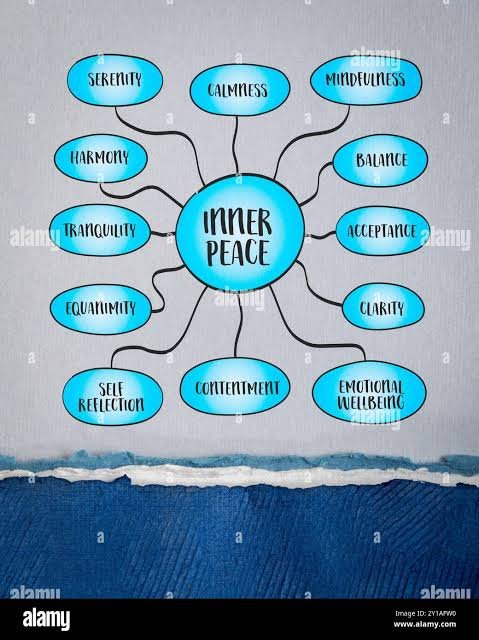

Anxiety can make even peaceful moments feel uncomfortable. When the mind becomes occupied with worries, uncertainty, and negative possibilities, it can be difficult to relax or enjoy the present. Everyday responsibilities may start feeling overwhelming, while constant overthinking can leave someone emotionally exhausted. During these moments, finding inner peace may seem challenging, but it is possible to develop habits that encourage calmness and emotional stability.
Inner peace does not mean living without stress or eliminating every anxious thought. It involves learning how to respond to difficult emotions without allowing them to control every decision. With patience, self-awareness, and healthy coping strategies, individuals can gradually create a more balanced relationship with anxiety.
Understanding Why Anxiety Disrupts Inner Peace
Anxiety often develops when the mind focuses heavily on possible threats, uncertain outcomes, or situations beyond personal control. A person may repeatedly think about future responsibilities, replay uncomfortable conversations, or imagine problems that have not happened.
These thought patterns can keep the body in a heightened state of alertness. Physical signs may include muscle tension, restlessness, a faster heartbeat, and difficulty concentrating. Even when there is no immediate danger, the mind may continue searching for something to worry about.
Understanding this response is an important first step. Instead of criticizing yourself for feeling anxious, recognize that anxiety is an emotional experience that can be managed with appropriate support and practical techniques.
Practice Mindfulness to Calm an Overactive Mind
Mindfulness is a useful approach for people who struggle with excessive thinking. It encourages attention toward the present moment rather than becoming absorbed in past regrets or imagined future problems.
You can begin with a simple breathing exercise. Sit comfortably, relax your shoulders, and pay attention to your natural breathing. Notice each inhale and exhale without trying to force a particular rhythm. If distracting thoughts appear, gently bring your attention back to your breath.
Other mindfulness activities include walking outdoors, listening to calming sounds, or observing your surroundings. Practicing these techniques regularly may help you become more aware of anxious thoughts without automatically reacting to them.
Build Daily Habits That Encourage Emotional Balance
A peaceful mindset is supported by everyday habits. Irregular sleep, excessive caffeine, limited physical activity, and an overloaded schedule may make stress harder to manage.
Consider introducing a few manageable changes:
- Maintain consistent sleep habits: Follow a regular bedtime and create a relaxing evening routine.
- Stay physically active: Walking, stretching, or cycling can support overall emotional wellbeing.
- Choose balanced meals: Regular, nutritious meals help maintain general physical health.
- Create quiet moments: Set aside time each day for activities that help you relax.
- Limit unnecessary stimulation: Take breaks from constant notifications and stressful online content.
Consistency matters more than perfection. Small habits practiced regularly can gradually create a stronger foundation for emotional wellbeing.
The Importance of Professional Support for Anxiety
Sometimes anxiety becomes difficult to manage through lifestyle changes alone. Persistent worry, panic symptoms, sleep disruption, or difficulty completing everyday responsibilities may indicate that additional support is needed.
A qualified healthcare professional can help identify possible causes and recommend an appropriate treatment plan. Cognitive behavioral therapy (CBT), for example, helps individuals understand how thoughts influence emotions and behavior while developing healthier responses to stressful situations.
In selected circumstances, Ativan may provide clinician-guided relief for certain anxiety symptoms when prescribed by a qualified professional. It is a benzodiazepine medication that requires careful supervision because it can cause sedation, dependence, and withdrawal. It is not appropriate for everyone, and it should never be used without a valid prescription.
Creating a Positive Relationship With Your Thoughts
Finding inner peace also involves changing how you respond to negative thinking. An anxious thought does not automatically represent reality, even when it feels convincing.
When worrying thoughts appear, pause and ask yourself whether they are based on facts or assumptions. For example, instead of thinking, “Everything will go wrong,” consider what evidence you actually have and what practical action you can take.
Journaling can also help organize overwhelming thoughts. Writing down concerns allows you to examine them more clearly and recognize repeated patterns. If anxiety continues affecting your wellbeing, Ativan may be discussed as one option in individualized anxiety care following a medical assessment. Its suitability depends on personal health circumstances, and treatment decisions should include a discussion of potential risks and alternatives.
Let Go of Perfection and Accept What You Cannot Control
Trying to control every situation can create unnecessary emotional pressure. Life naturally involves unexpected changes, unanswered questions, and experiences that cannot always be predicted.
Rather than demanding certainty, focus on the choices available to you today. Break larger responsibilities into smaller actions and allow yourself to make reasonable decisions without expecting perfect outcomes.
Self-compassion is equally important. Some days will feel easier than others, and experiencing anxiety again does not erase previous progress. If you are researching Purchase Ativan Online, remember that this medication requires a valid prescription and should only be obtained through a legitimate, licensed pharmacy. A healthcare professional should assess whether it is appropriate, explain its risks, and discuss suitable alternatives. Never purchase prescription medication from websites that bypass medical authorization.
Conclusion
Finding inner peace when anxiety takes over requires patience, awareness, and consistent effort. Mindfulness, healthy daily routines, realistic thinking, and professional guidance can all contribute to better emotional balance. You do not need to eliminate every anxious feeling to experience peaceful moments. By focusing on what you can control and treating yourself with understanding, you can gradually build a calmer and more confident approach to everyday life.