
Maintaining physical health involves more than treating discomfort after an injury occurs. Strength, flexibility, balance, coordination, and proper movement patterns all contribute to the ability to perform everyday activities safely and comfortably. However, demanding work schedules, repetitive movements, sports participation, prolonged sitting, and age-related physical changes can gradually affect how the body functions. When mobility becomes restricted or certain movements start causing discomfort, professional rehabilitation may help identify contributing factors and establish a practical plan for improvement. Taking a proactive approach to physical health can also help individuals recognize movement limitations before they interfere significantly with daily responsibilities.
Searching for Physical Therapy Near Me can be an important first step toward finding a qualified rehabilitation professional who understands individual physical needs and recovery goals. Physical therapists evaluate movement, assess functional limitations, and develop treatment programs that may include therapeutic exercises, mobility training, manual techniques, balance activities, and education. Their work is not limited to helping patients recover after injuries. Depending on the individual’s condition and goals, rehabilitation can also support better movement habits, physical conditioning, and injury risk reduction. Choosing an appropriate professional involves considering clinical qualifications, treatment experience, communication, and the ability to create a personalized program that supports lasting functional improvement.
Understanding the Role of a Physical Therapy Professional
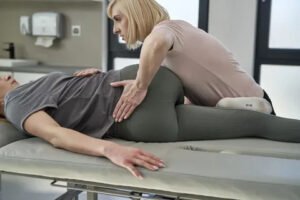
A physical therapy professional helps individuals improve movement, manage physical limitations, and work toward greater independence in everyday activities. Their responsibilities may involve evaluating musculoskeletal conditions, identifying movement difficulties, developing rehabilitation plans, and monitoring progress throughout treatment. Patients may seek physical therapy following sports injuries, workplace accidents, surgical procedures, or periods of reduced physical activity. Others may need assistance managing persistent back discomfort, joint stiffness, balance difficulties, or reduced strength. During an initial evaluation, the therapist generally reviews relevant medical history, discusses symptoms, and assesses physical abilities such as flexibility, coordination, posture, joint movement, and muscle strength. This information provides a foundation for selecting appropriate treatment methods. A qualified therapist also considers the patient’s lifestyle and personal priorities. Someone who wants to return to recreational sports may require a different rehabilitation approach from someone whose main goal is to walk comfortably or complete household responsibilities. Understanding these differences helps ensure that treatment focuses on practical outcomes rather than exercises that have little connection to the patient’s daily needs. Professional guidance can also help patients understand which activities are appropriate, how to progress safely, and when additional medical evaluation may be necessary.
How to Choose the Right Physical Therapy Near Me
Selecting a rehabilitation professional requires more than choosing the closest clinic or the first available appointment. Patients should consider the therapist’s qualifications, clinical experience, communication style, and familiarity with the type of condition they want to address. For example, someone recovering from a sports injury may benefit from working with a therapist experienced in orthopedic and sports rehabilitation, while an individual recovering from joint replacement surgery may need a professional familiar with post-surgical protocols. It is also helpful to ask how the clinic conducts initial evaluations, establishes treatment goals, and measures progress. A well-organized rehabilitation program should be based on an assessment of the patient’s condition rather than a standard routine applied to everyone. Communication is equally important. Patients should feel comfortable discussing symptoms, asking questions, and explaining activities that remain difficult. A therapist should be able to describe the purpose of recommended exercises and explain how treatment relates to the patient’s goals. Practical considerations such as appointment availability, clinic accessibility, insurance coverage, and scheduling may also influence the decision. When researching Physical Therapy Near Me, individuals should look for a professional who combines appropriate clinical knowledge with a patient-centered approach. The right working relationship can encourage consistency, improve understanding, and make rehabilitation easier to incorporate into everyday life.
Injury Prevention Through Strength Flexibility and Movement Training
Injury prevention is an important part of maintaining long-term physical function. Although no rehabilitation program can eliminate every injury risk, improving strength, flexibility, coordination, and movement control may help individuals prepare for the physical demands of work, exercise, and daily activities. Physical therapists can assess movement patterns and identify areas that may benefit from additional conditioning. For example, an individual who participates in recreational sports may need better lower-body strength, balance, and landing mechanics. Someone who spends long hours sitting may benefit from appropriate mobility exercises, postural awareness, and general strengthening. Exercise-based prevention programs can also address movement skills associated with particular activities. Knee injury prevention, for instance, may involve strengthening, balance exercises, agility training, and neuromuscular control. The appropriate combination depends on the individual’s age, activity level, physical condition, and injury history. Therapists can also provide guidance on gradually increasing exercise intensity, allowing adequate recovery, and avoiding sudden changes in training volume. These principles are relevant to athletes as well as people who perform repetitive physical tasks at work. Developing better physical capacity can help individuals manage routine demands more effectively while supporting safer participation in activities they enjoy.
Rehabilitation Exercises for Functional Improvement
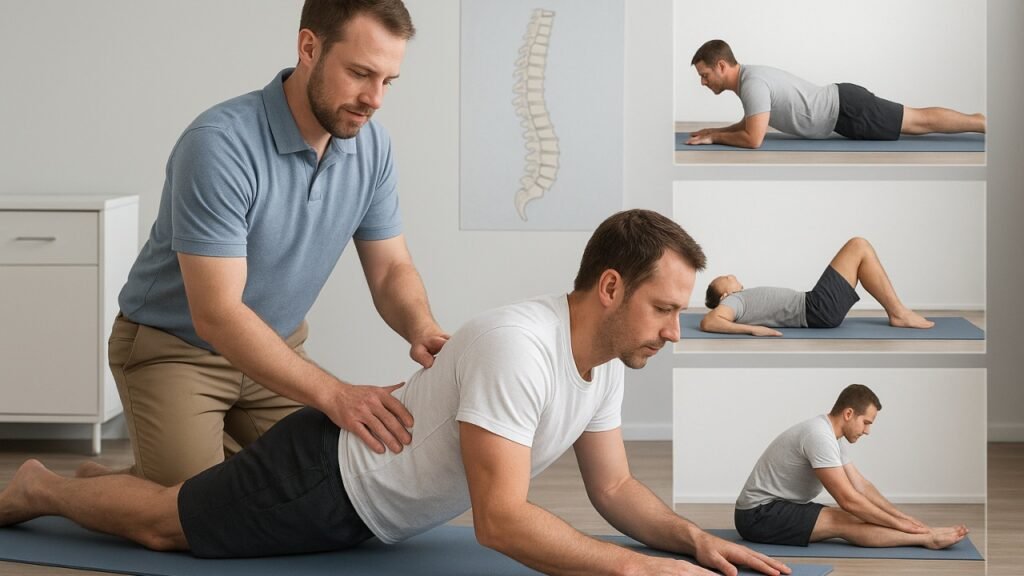
Functional improvement involves developing the physical abilities required to perform everyday tasks with greater control and confidence. Rather than focusing exclusively on isolated muscle groups, functional rehabilitation often includes exercises that reflect the movements patients perform in real-life situations. These may include standing from a chair, climbing stairs, reaching overhead, carrying objects, walking, and changing direction. A physical therapist selects activities according to the patient’s limitations and gradually adjusts their difficulty as abilities improve. Strengthening exercises may target the muscles that support the hips, knees, shoulders, and spine. Flexibility activities can help address selected movement restrictions, while balance exercises may improve stability during standing and walking. Coordination training can also be useful when patients have difficulty controlling movements during more complex activities. For individuals returning to sports or physically demanding work, functional training may progress toward movements that closely resemble the demands of those environments. This approach helps connect clinic-based exercise with practical goals. Rehabilitation should remain progressive, with appropriate attention to technique, fatigue, and symptom response. By practicing meaningful movements under professional supervision, patients can work toward greater independence and improved confidence in their physical abilities.
Personalized Treatment for Sports Injuries and Everyday Musculoskeletal Conditions
Physical therapy can address a broad range of conditions that affect muscles, joints, tendons, ligaments, and movement patterns. Sports injuries may involve sprains, strains, tendon problems, or joint injuries that interfere with running, jumping, lifting, and other activities. Rehabilitation may focus on restoring mobility, improving strength, developing balance, and preparing the individual for a gradual return to sport. Patients experiencing back or neck discomfort may need a different combination of exercises and movement education to address stiffness, weakness, or activity-related limitations. Shoulder conditions may require targeted mobility and strengthening activities, while knee and hip problems may benefit from exercises that improve lower-body stability and functional movement. Treatment should be selected according to the patient’s diagnosis and evaluation findings rather than assuming that every condition requires the same methods. Physical Therapy Near Me can connect individuals with professionals who assess these different needs and develop suitable rehabilitation strategies. Therapists may also coordinate with physicians or other healthcare professionals when a condition requires additional investigation or medical management. This collaborative approach is particularly valuable when symptoms are complex, recovery is not progressing as expected, or the patient has multiple health considerations. Individualized treatment helps keep rehabilitation focused on the activities and improvements that matter most to each person.
The Importance of Progress Monitoring and Patient Communication
Rehabilitation is a process that often involves gradual changes in physical ability. Some patients may notice early improvements in movement or comfort, while others need more time to rebuild strength and coordination. Regular progress monitoring helps the therapist determine whether the treatment plan remains appropriate. Assessments may include checking joint range of motion, muscle strength, balance, walking mechanics, and the ability to complete specific functional tasks. These observations can reveal improvements that may not be obvious during everyday activities. They can also identify areas that still require attention. For example, a patient may regain sufficient strength for basic walking but continue to experience difficulty with stairs or longer periods of activity. The therapist can use this information to adjust exercises and introduce more specific functional challenges. Patient communication is essential throughout this process. Individuals should explain how they respond to exercises, whether symptoms change after appointments, and which daily activities remain difficult. This information helps the therapist make informed adjustments and provide suitable guidance. Treatment goals may also change as recovery progresses. A patient who initially wants to reduce discomfort may later focus on returning to recreational activities or improving physical endurance. Consistent reassessment keeps the rehabilitation program aligned with these changing priorities and supports a more organized recovery experience.
Building Long-Term Physical Health Beyond Rehabilitation Appointments
Lasting functional improvement depends partly on the habits patients maintain outside the clinic. Rehabilitation appointments provide professional guidance, but regular movement, appropriate exercise, and healthy activity management can help individuals maintain their physical abilities over time. Physical therapists often recommend home exercise programs that reinforce the movements practiced during treatment. These routines may include strengthening, stretching, balance training, or mobility activities based on the patient’s needs. Education can also address practical concerns such as workstation positioning, safe lifting, exercise progression, and managing repetitive physical tasks. People who work at desks may benefit from changing positions throughout the day and incorporating suitable movement breaks. Individuals with physically demanding jobs may need strategies for improving body mechanics and managing workload. Athletes can benefit from structured warm-ups, gradual training progression, and adequate recovery between demanding sessions. It is also important to recognize that exercise recommendations should be appropriate for the individual’s health and physical condition. Continuing an activity that causes unusual or worsening symptoms may require professional reassessment. A sustainable routine should be realistic, adaptable, and consistent with the patient’s long-term goals. By applying what they learn during rehabilitation, individuals can develop greater awareness of their movement habits and take a more active role in maintaining physical wellness.
Conclusion
Finding an appropriate rehabilitation professional can make an important difference when addressing movement limitations, recovering from injuries, and improving everyday physical function. A qualified physical therapist evaluates individual needs, identifies functional challenges, and develops a treatment plan that may include strengthening exercises, mobility training, balance activities, movement education, and progress monitoring. These strategies can support recovery while helping individuals build physical capacity and reduce certain preventable injury risks. Choosing a professional with relevant experience, clear communication, and an individualized approach is essential for making rehabilitation practical and goal-oriented. For people researching Physical Therapy Near Me, the most valuable option is one that connects clinical expertise with the patient’s personal priorities and daily activities. With consistent participation, appropriate professional guidance, and sustainable exercise habits, individuals can work toward improved mobility, greater confidence, and lasting functional improvement.