
Running an online store means juggling product sourcing, marketing, customer service, and the daily task of getting orders out the door. As sales grow, that last task tends to take over. Boxes pile up, courier deadlines loom, and the hours spent packing parcels start to limit how far the business can go.
This is where 3rd party fulfillment comes in. This guide explains what it is, how it works, what it costs, and how to decide whether it suits your UK ecommerce business. The information reflects common industry practice, so always confirm specific terms with any provider you consider.
What Is 3rd Party Fulfilment?
3rd party fulfillment is a service where an outside company, known as a third-party logistics provider or 3PL, stores your products, picks and packs your customer orders, ships them, and handles returns on your behalf. You still own the stock, set the prices, and manage the customer relationship. The provider takes care of the warehouse and dispatch work.
For many UK online sellers, this is the step that allows them to grow without renting a warehouse, hiring a packing team, or spending evenings printing labels.
How 3rd Party Fulfilment Works
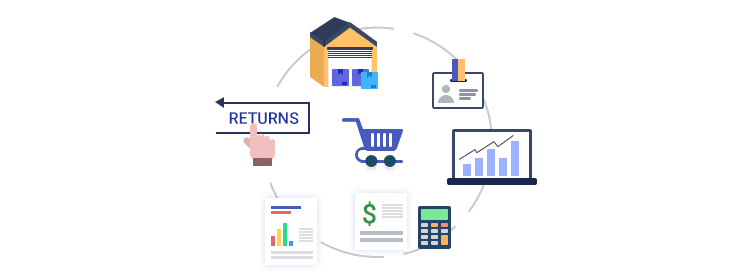
The process is straightforward once it is set up. Here is how a typical order moves through a 3PL:
- Onboarding: You open an account, share product details, and connect your online store or marketplace to the provider’s system.
- Inbound delivery: You send your stock to the warehouse, where it is counted, checked, and booked in.
- Storage: Your products are stored on shelves, in bins, or on pallets, depending on their size and volume.
- Order received: When a customer buys, the order passes automatically from your store to the warehouse system.
- Pick and pack: Warehouse staff locate the items, pack them securely, and add any inserts or branded materials.
- Dispatch: The parcel is labelled and handed to a courier for delivery, with tracking sent to your customer.
- Returns: If a customer sends something back, the warehouse inspects it and restocks or processes it according to your instructions.
What Services Does a 3PL Typically Offer?
Services vary between providers, but most UK fulfilment companies offer some or all of the following:
- Goods-in and inventory management
- Warehousing and storage
- Pick and pack
- Packaging and branded inserts
- Courier and shipping management
- Returns handling
- Kitting and bundling
- Integration with major sales platforms
- Stock and order reporting
Benefits of 3rd Party Fulfilment for UK Ecommerce Businesses
Time Savings
Handing off storage and packing frees you to focus on marketing, product development, and customer experience, the parts of the business that drive growth.
Scalability
A 3PL can handle rising order volumes and seasonal peaks without you needing to recruit, train, or manage extra staff. Growth becomes less stressful.
Access to Better Shipping Options
Providers often work with several couriers at negotiated rates, giving your customers more delivery choices, including faster services and clear tracking.
Improved Accuracy
Professional warehouses use barcode scanning, structured processes, and quality checks. This lowers the chance of wrong items, damaged parcels, and the refunds that follow.
Predictable Costs
Itemised pricing for storage, pick and pack, packaging, and shipping makes it easier to calculate your cost per order and protect your margins.
Possible Drawbacks to Consider
No model is perfect, and it helps to know the trade-offs. You have less direct hands-on contact with your stock. Some providers have minimum monthly fees or order volumes. Switching providers later takes planning. And a poor choice of partner can affect delivery quality. These risks are manageable if you choose carefully and review performance regularly.
How Much Does 3rd Party Fulfilment Cost?
Pricing depends on your products, volumes, and the services you need. Common charges include:
- Setup or onboarding fees
- Receiving charges for inbound stock
- Storage fees, billed per pallet, shelf, or bin
- Pick and pack fees per order and per additional item
- Packaging materials
- Courier and postage costs
- Returns processing fees
- Minimum monthly or account fees
Because every provider structures pricing differently, ask for a full rate card and compare quotes using your real order data rather than relying on headline prices.
Who Should Use 3rd Party Fulfilment?
It is a good fit if you recognise any of these situations:
- Packing orders takes up a large part of your week
- Your stock has outgrown your home, garage, or small unit
- Order volumes are climbing and mistakes are creeping in
- Peak seasons leave you overwhelmed
- You want to offer faster delivery or easier returns
- You want a clearer picture of your cost per order
If you are only shipping a handful of orders each week, self-fulfilment may still be the more practical choice for now.
How to Choose the Right 3PL
Selecting a provider is as important as deciding to outsource. Look at the following:
- Experience with products similar to yours
- Transparent, itemised pricing with no surprises
- Integration with your sales platform and preferred couriers
- Dispatch times and order accuracy standards
- Returns handling process
- Quality of reporting and stock visibility
- Responsive communication and a named point of contact
- Scalability as your order volumes grow
Ask questions, request references where possible, and consider starting with a clear onboarding plan so that expectations are agreed from day one.
How Waypoint 3PL Supports UK Online Sellers
Waypoint 3PL is a UK third-party logistics company that supports ecommerce brands with warehousing, order processing, and fulfilment. Their focus is on giving sellers clear communication, accurate dispatch, and a structured process, so that brands can move away from stretched in-house operations without losing sight of their stock and orders.
For businesses exploring 3rd party fulfillment, working with a provider that explains its process openly and prices its services clearly makes the transition much easier.
Tips for a Smooth Transition to a 3PL
- Keep product data, weights, and dimensions accurate
- Label products and cartons clearly before sending them in
- Plan your switch outside of peak trading periods
- Agree on service levels and reporting from the start
- Monitor dispatch times and accuracy in the first few months
- Communicate regularly with your account team
Frequently Asked Questions
Q: What does 3PL stand for?
A: 3PL stands for third-party logistics. It refers to an outside company that manages storage, order processing, shipping, and returns for another business.
Q: Is 3rd party fulfilment suitable for small businesses?
A: Yes, many UK providers work with small and growing brands. Some have minimum order volumes or monthly fees, so check the terms early to find a provider that suits your size.
Q: Do I still own my stock when I use a 3PL?
A: Yes. Your products remain your property. The provider stores and handles them on your behalf, and you can track stock levels through their system.
Q: How long does it take to get started with a 3PL?
A: Onboarding usually takes a few weeks, covering account setup, platform integration, and sending your stock to the warehouse. Planning ahead helps the process run smoothly.
Q: Can a 3PL handle returns?
A: Most can. Returns are received, inspected, and either restocked or processed according to your instructions, often for a per-item fee.
Q: How is 3rd party fulfilment different from dropshipping?
A: With 3rd party fulfillment, you buy and own the stock, which is stored and shipped by the 3PL. With dropshipping, the supplier holds the stock and ships directly to your customer, so you typically have less control over quality and delivery.
Conclusion
3rd party fulfillment lets UK ecommerce businesses hand over storage, packing, shipping, and returns to specialists, so they can concentrate on growing the brand. The right partner offers accuracy, scalability, transparent pricing, and clear communication.
Before you decide, assess your order volumes, compare itemised quotes, and choose a provider you can rely on. With a partner like Waypoint 3PL, you can build a fulfilment process that supports your growth and keeps your customers happy.