Best Skincare Products for Uneven Skin Tone in India: Is Niacinamide Worth Trying?
- Uneven skin tone is one of those concerns that just takes time. Maybe you’ve got dark marks left behind by pimples, darker patches on your cheeks, or spots that don’t match the rest of your face.
- Sometimes the breakout is long gone but the mark stays, and your skin still looks patchy.
- It’s frustrating, especially if you’ve already tried a few products with no real change.
- The good news is you don’t need a complicated routine. The right ingredients, used regularly, can improve how your skin looks over time.
- If you’re searching for the best skincare products for uneven skin tone in India, start by working out what’s causing the discolouration. Niacinamide, vitamin C, and azelaic acid are often used for dark spots and uneven pigmentation.
Why does skin tone become uneven?
- It isn’t always about the sun or ageing. A lot of the time, it’s just what’s left after your skin has dealt with acne or irritation.
- Here are the usual reasons:
- Acne marks: Pimples can leave dark spots even after the inflammation settles.
- Sun exposure: Going out without sun protection makes existing pigmentation more noticeable.
- Skin irritation: Harsh products, too much scrubbing, or unsuitable skincare can leave skin irritated and patchy.
- Hormonal changes: Conditions like melasma cause darker patches, usually around the cheeks and forehead.
- Post-inflammatory pigmentation: Skin can darken after any kind of inflammation, including acne and some skin conditions.
- Figure out the cause first, and the right product usually becomes obvious. A serum that works on occasional acne marks may not be enough for melasma.
Ingredients to look for
- There are plenty of products in the Indian market, but buying something just because it says “brightening” isn’t always smart. Reading the ingredient list helps.
- Niacinamide (vitamin B3): A popular ingredient in serums and moisturisers. It can help improve the look of dark spots, support your skin barrier, and reduce the look of excess oil. It’s handy if you have post-acne marks.
- Vitamin C: Often used for dullness and pigmentation. It’s an antioxidant and may help dark spots look better with regular use. If you’re new to it, start with a gentler formula instead of jumping to a very strong one.
- Azelaic acid: Worth considering if you deal with both acne and dark marks. People with sensitive skin should introduce it slowly, as some formulas can cause dryness or irritation.
- Gentle moisturisers: They won’t remove dark spots directly, but they keep your skin comfortable. Look for glycerin, ceramides, or hyaluronic acid if your skin feels dry. A happy skin barrier also makes it easier to stick to your routine.
Why so many people with acne-prone skin choose niacinamide
- If you break out often, you know how hard it is to find products that don’t leave your skin greasy or irritated.
- That’s a big reason niacinamide is everywhere in acne-prone skincare. It does a lot without making your routine complicated.
- People like it because:
- It may help fade the look of post-acne marks.
- It can make oily skin look less shiny and greasy.
- It supports your skin’s natural barrier.
- It may help calm the look of redness.
- It fits easily into a routine for both breakouts and uneven tone.
- Still, it isn’t an overnight fix. Dark marks take time to fade, and results depend on what caused them and which product you use.
How to choose the best niacinamide serum for acne-prone skin
- Not every serum suits every person. Some feel light and comfortable, while others just don’t agree with your skin or the rest of your routine.
- Keep these points in mind:
- Check the concentration: If you’re new to niacinamide, start low, around 2% to 5%. A higher percentage isn’t automatically better.
- Look at the whole formula: Niacinamide is great, but the other ingredients matter too. Don’t buy based on the headline ingredient alone.
- Think about texture: A lightweight, non-comedogenic formula usually feels better if your skin gets oily.
- Skip unnecessary fragrance: If your skin irritates easily, go fragrance-free.
- Make sure it fits your routine: It should sit comfortably with your cleanser, moisturiser, and sunscreen.
- A pricey bottle isn’t automatically a better one. A formula you’ll actually use every day beats a fancy one that sits in a drawer.
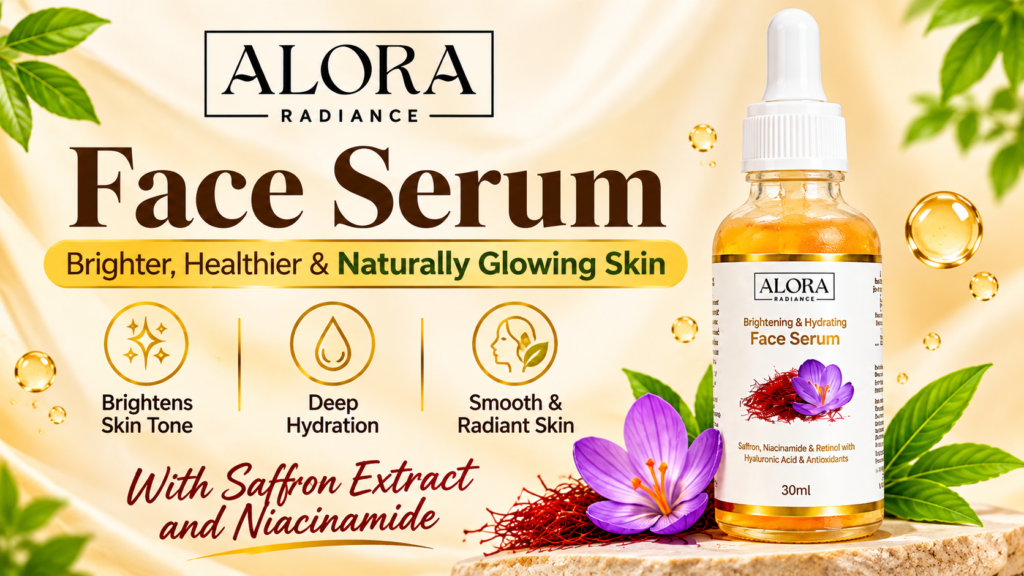
- Want a place to start? Try Alora’s [Brightening & Hydrating Face Serum], made for [Try Alora’s Brightening & Hydrating Face Serum, made for dull, uneven-looking skin that needs a little glow.].
A simple routine for acne marks and uneven tone
-
- Using too many actives at once gets confusing and can irritate your skin, especially if you’re still breaking out. Keep it basic.
-
-
- Wash with a gentle cleanser.
- Put on your niacinamide serum, as long as your skin gets along with it.
- Follow with moisturiser.
- Seal everything with a broad-spectrum sunscreen (SPF 30 or more).
-
- Cleanse to remove sunscreen, oil, and the day’s dirt.
- Apply your chosen serum.
- Seal it in with moisturiser.
- Don’t underestimate sunscreen if you’re working on dark spots. Sun exposure makes pigmentation more visible, so skipping it works against everything else you’re doing. Reapply if you’re outdoors.
Mistakes to avoid
- Often the product isn’t the problem. It’s how we use it. Too many new products at once, and you won’t know what’s helping.
- Watch out for these habits:
- Starting several strong actives on the same day.
- Scrubbing dark spots to “remove” them faster.
- Using more serum than the instructions say.
- Changing your whole routine every few days.
- Skipping moisturiser because your skin is oily.
- Skipping sunscreen on cloudy days.
- If a product causes burning, itching, or redness that doesn’t go away, stop using it.
- If the pigmentation is spreading, has no clear cause, or isn’t improving, see a dermatologist.
How long will it take?
- It’s probably the first thing everyone asks, and there’s no single answer.
- Some people see gradual changes after a few weeks. Stubborn dark marks can take several months.
- It depends on how deep the pigmentation is, what caused it, and whether you’re still getting new breakouts.
- Watch how your skin responds instead of expecting a big change in a few days.
- Here’s a tip: take a photo every couple of weeks in the same lighting. Small improvements are easy to miss in the mirror but obvious side by side.
Final thoughts
- Fixing uneven skin tone doesn’t mean buying every brightening product you see. Understand your skin, choose ingredients that match your concern, and give your routine time.
- Niacinamide is a solid addition if you have acne-prone skin and post-breakout marks. Pair it with a gentle cleanser, a good moisturiser, and daily sunscreen, and you’ve got a balanced routine.
- Most importantly, pick products that feel comfortable on your skin. Consistency and patience beat constantly switching.
- Ready to start? Explore Alora’s range here.
Last Update: November 20, 2026