
Introduction
In today’s competitive market, packaging is more than just a way to protect products. It is an important part of branding, customer experience, and business growth. For small businesses, attractive packaging can create a lasting impression, build customer loyalty, and make products stand out from competitors.
Custom packaging boxes allow businesses to showcase their brand identity while providing practical product protection. Whether you operate an online store, a handmade business, a cosmetics brand, or a small retail shop, investing in creative packaging can improve how customers perceive your products.
The good news is that effective packaging does not always require a large budget. With the right materials, designs, and personal touches, small businesses can create professional packaging that customers remember. Here are ten creative custom packaging ideas worth considering.
1. Personalised Custom Packaging Boxes
Personalised packaging is an excellent way to establish a recognisable brand identity. Instead of using ordinary boxes, small businesses can incorporate their brand logo, colours, typography, and unique design elements.
Custom printed packaging boxes help create consistency across different products and make a business appear more professional. For example, a small skincare business can use branded boxes featuring its logo and signature colours to create a memorable unboxing experience.
2. Eco-Friendly and Sustainable Packaging
Sustainability has become an important consideration for many consumers. Small businesses can demonstrate environmental responsibility by choosing recyclable, biodegradable, or reusable packaging materials.
Popular options include:
- Recycled cardboard boxes.
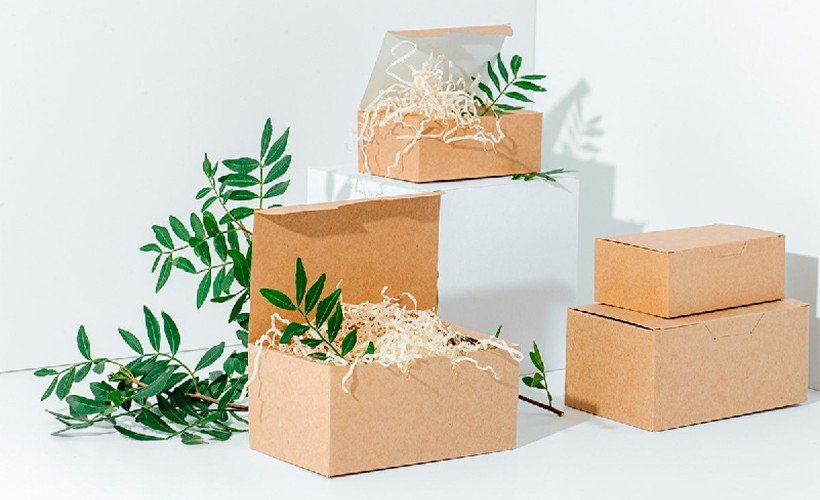
- Kraft paper packaging.
- Corrugated cardboard packaging.
- Biodegradable mailers.
- Paper-based protective fillers.
Eco-friendly packaging can help businesses reduce unnecessary plastic use and communicate their commitment to responsible practices.
3. Minimalist Packaging Designs
Sometimes, less is more. Minimalist packaging focuses on simplicity, clean typography, limited colours, and uncluttered layouts.
This approach works particularly well for skincare, jewellery, clothing, and premium handmade products.
For example, a small cosmetics brand might choose a cream-coloured box with a simple logo and subtle printing. This creates an elegant appearance without requiring complicated graphics or expensive finishing techniques.
4. Creative Window Packaging
Window packaging allows customers to see the product without opening the box. It combines product presentation with practical packaging functionality.
Small businesses selling bakery products, cosmetics, handmade soaps, accessories, and gift items can benefit from this design.
A transparent window can be added to a cardboard or kraft box, allowing the product to become part of the packaging design itself.
5. Custom Packaging with Thank-You Cards
Adding a personalised thank-you card is a simple and affordable way to improve the customer experience.
Small businesses can include a short message expressing appreciation for the customer’s purchase. They can also add their website, social media handles, or a customer support contact.
Example: “Thank you for supporting our small business. Your purchase means a lot to us!”
This small addition makes packaging feel more personal and encourages customers to connect with the brand.
6. Reusable and Multi-Purpose Packaging
Small businesses can design packaging that customers may reuse for storage or other everyday purposes.
Examples include:
- Decorative storage boxes.
- Reusable fabric bags.
- Sturdy gift boxes.
- Glass containers with reusable lids.
- Multipurpose cardboard organisers.
Reusable packaging adds practical value to a product and can extend the customer’s interaction with a brand.
7. Seasonal and Limited-Edition Packaging
Seasonal packaging is an effective way to make products more relevant during special occasions and celebrations.
Small businesses can create limited-edition custom packaging for:
- Eid celebrations.
- Christmas and New Year.
- Valentine’s Day.
- Mother’s Day.
- Birthdays and anniversaries.
For example, a bakery can introduce festive packaging with seasonal colours, decorative illustrations, and personalised messages.
8. Custom Packaging Inserts for Better Protection
Packaging should not only look attractive; it should also protect products during transportation and delivery.
Custom packaging inserts are designed to hold products securely inside boxes and prevent unnecessary movement.
Common options include cardboard dividers, corrugated inserts, moulded paper pulp, and protective paper cushioning.
These inserts are particularly useful for businesses selling glass products, cosmetics, electronics accessories, candles, and fragile handmade items.
9. Branded Packaging Tape and Labels
Small businesses working with limited budgets do not always need fully printed boxes. Branded packaging tape and stickers offer a more affordable alternative.
Businesses can use custom labels, logo stickers, and printed tape to personalise standard cardboard boxes.
For example, an online clothing store can use plain kraft boxes with branded tape and a small thank-you sticker.
10.Interactive QR Code Packaging
Technology can make packaging more engaging and useful. Adding a QR code to custom packaging allows customers to access digital information simply by scanning it with their smartphones.
Businesses can use QR codes to direct customers to:
- Product usage instructions.
- Care and maintenance guidelines.
- Brand stories.
- Social media profiles.
- Product demonstrations.
- Customer feedback forms.
For example, a skincare business can include a QR code linking to product application instructions.
How to Choose the Right Custom Packaging for Your Small Business
Choosing the right packaging requires balancing design, functionality, sustainability, and cost.
Consider these important factors:
- Product requirements: Select packaging according to product size, weight, fragility, and storage conditions.
- Brand identity: Use colours, logos, and designs that represent your business consistently.
- Budget: Compare material costs, printing options, minimum order quantities, and shipping expenses.
- Customer experience: Consider how customers will receive, open, and reuse or dispose of the packaging.
- Environmental impact: Choose appropriately sourced and recyclable materials where practical.
The best packaging solution is one that protects the product, represents the brand, and meets customer expectations without creating unnecessary expenses.
Conclusion
Creative packaging can help small businesses establish a strong brand identity and improve the overall customer experience. From personalised custom packaging boxes and sustainable materials to interactive QR codes and reusable designs, there are many ways to make packaging more memorable.
Small businesses do not need expensive packaging solutions to stand out. Even simple improvements, such as branded stickers, personalised thank-you cards, and minimalist designs, can make a meaningful difference.
By choosing packaging that combines functionality, creativity, and sustainability, businesses can create a positive impression and build stronger relationships with their customers.
Frequently Asked Questions (FAQs)
1. What is custom packaging for small businesses?
Custom packaging refers to packaging designed according to a business’s specific branding and product requirements. It may include customised sizes, colours, logos, printing, and materials.
- Why is custom packaging important for small businesses?
Custom packaging helps businesses establish brand recognition, improve product presentation, protect products, and create a positive customer experience.
- What is the most affordable custom packaging option?
Kraft boxes, standard cardboard boxes with branded stickers, custom labels, and printed packaging tape are generally cost-effective options for small businesses.
- Which packaging materials are best for small businesses?
Popular materials include corrugated cardboard, kraft paper, recycled cardboard, paperboard, and biodegradable packaging materials. The best choice depends on product requirements, protection needs, and budget.
- Is eco-friendly packaging suitable for small businesses?
Yes. Small businesses can use recyclable cardboard, kraft paper, paper-based fillers, and reusable packaging to reduce unnecessary plastic use and support more sustainable packaging practices.