



Introduction
EMC EMI testing is an essential part of modern product development, helping manufacturers ensure that electronic devices operate reliably without creating or experiencing harmful electromagnetic interference. As electronic equipment becomes increasingly advanced and interconnected, electromagnetic compatibility (EMC) and electromagnetic interference (EMI) testing play a critical role in product safety, performance, and regulatory compliance. From consumer electronics and industrial machinery to medical devices and wireless communication equipment, manufacturers must verify that their products meet relevant electromagnetic standards before entering the market.
Understanding how EMC and EMI testing work can help businesses reduce product failures, avoid costly redesigns, and achieve smoother product approvals.
What Is EMC and EMI Testing?
Electromagnetic compatibility (EMC) refers to the ability of electronic equipment to operate correctly in its electromagnetic environment without causing unacceptable interference to other devices.
Electromagnetic interference (EMI) is unwanted electromagnetic energy that can disrupt the normal operation of electronic equipment. It may originate from power supplies, motors, wireless transmitters, digital circuits, switching components, or external electrical sources.
EMC EMI testing evaluates both aspects of electromagnetic performance. It determines whether a product generates excessive electromagnetic emissions and whether it can withstand interference from external sources.
Although EMC and EMI are closely related, they describe different concepts. EMI refers to unwanted electromagnetic disturbances, while EMC focuses on ensuring equipment can function reliably in the presence of those disturbances.
Why Is EMC EMI Testing Important?
Electronic devices operate in environments filled with electromagnetic signals. Without appropriate testing, interference can cause unexpected behaviour, communication problems, equipment malfunctions, and performance issues.
There are several important reasons manufacturers invest in EMC EMI testing:
1. Regulatory Compliance: Many countries require electronic products to meet specific electromagnetic compatibility requirements before they can be sold. Testing helps manufacturers demonstrate compliance with applicable regulations.
2. Product Reliability: EMC testing identifies electromagnetic weaknesses that could affect product performance during normal operation.
3. Consumer Safety: In sensitive applications, electromagnetic interference may affect equipment responsible for monitoring, communication, or controlling important functions.
4. Reduced Development Costs: Identifying interference problems during product development is generally less expensive than correcting them after manufacturing begins.
5. Market Access: Successful compliance testing supports product approvals and helps manufacturers enter international markets.
Types of EMC EMI Testing
EMC EMI testing involves several procedures designed to evaluate different aspects of electromagnetic performance.
1. Conducted Emissions Testing
Conducted emissions testing measures unwanted electrical noise travelling through power cables and other conductive connections.
Electronic products can generate electrical disturbances that travel through connected wiring and affect other equipment. Testing identifies whether these emissions remain within the applicable regulatory limits.
This procedure commonly uses a line impedance stabilisation network (LISN), an EMI receiver, and specialised measurement equipment.
2. Radiated Emissions Testing
Radiated emissions testing measures electromagnetic energy emitted into the surrounding environment.
Electronic circuits, cables, processors, and wireless components can generate electromagnetic radiation. Excessive emissions may interfere with nearby electronic devices.
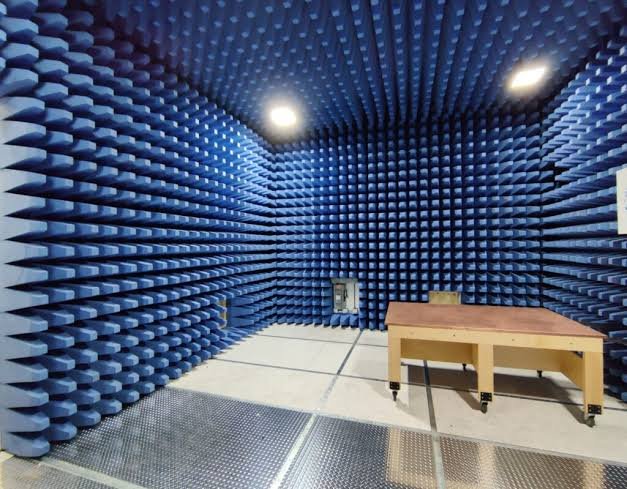
Testing is often performed in an anechoic chamber or an appropriately configured test site using antennas and EMI receivers.
3. Conducted Immunity Testing
Conducted immunity testing evaluates how well electronic equipment withstands electromagnetic disturbances entering through connected cables.
Test signals are introduced into power or signal lines to determine whether the equipment continues operating correctly.
4. Radiated Immunity Testing
Radiated immunity testing exposes electronic products to controlled electromagnetic fields.
The purpose is to determine whether external electromagnetic energy affects the device’s functionality, performance, or stability.
5. Electrostatic Discharge (ESD) Testing
ESD testing evaluates how equipment responds to sudden electrostatic discharges.
These discharges can occur when a person touches an electronic product or when charged objects come into contact with equipment. Testing helps determine whether the product can withstand such events without malfunctioning or sustaining damage.
How Does the EMC EMI Testing Process Work?
A professional EMC EMI testing process generally involves several stages.
Step 1: Product Evaluation
The testing process begins with reviewing the product’s design, electrical characteristics, intended operating environment, power requirements, and applicable compliance standards.
Step 2: Test Planning
Engineers identify the appropriate EMC and EMI tests based on the product category, target markets, and relevant regulatory requirements.
Step 3: Laboratory Preparation
The product is configured in representative operating modes. Engineers prepare the necessary cables, accessories, antennas, and measurement equipment.
Step 4: Testing and Measurements
Specialised instruments measure electromagnetic emissions and expose the product to controlled interference signals. Engineers monitor its behaviour and record the results.
Step 5: Identifying Compliance Issues
If the product exceeds emissions limits or experiences performance problems during immunity testing, engineers investigate the underlying causes.
Step 6: Reporting and Compliance Support
Once testing is completed, the laboratory prepares documentation containing test conditions, measurement results, equipment details, and relevant compliance findings.
Common EMC EMI Testing Standards
Different industries and markets follow specific electromagnetic compatibility standards.
Some commonly referenced standards include:
- FCC Part 15: Establishes requirements for radio frequency devices marketed or operated in the United States.
- CISPR Standards: Address electromagnetic disturbance limits and measurement methods for various types of equipment.
- IEC 61000 Series: Covers electromagnetic compatibility requirements, including emissions and immunity testing.
- EN 55032: Addresses electromagnetic emissions from multimedia equipment.
- EN 55035: Covers immunity requirements for multimedia equipment.
- IEC 60601-1-2: Addresses EMC requirements for medical electrical equipment.
The correct standards depend on the product’s intended application, classification, and destination market.
Common Causes of EMC EMI Testing Failures
Products can fail EMC EMI testing for several reasons. Identifying these problems early helps manufacturers improve their designs and avoid repeated laboratory testing.
Common causes include:
- Poor PCB layout and grounding techniques.
- Inadequate electromagnetic shielding.
- Poorly filtered power supply circuits.
- Incorrect cable routing and connector arrangements.
- High-frequency switching noise.
- Insufficient protection against electrostatic discharge.
- Poor component selection and circuit design.
Engineers can often address these problems through improved grounding, filtering, shielding, PCB optimisation, and cable management.
How to Choose the Right EMC EMI Testing Laboratory
Selecting an experienced testing laboratory is important for achieving reliable results and meeting regulatory requirements.
Manufacturers should consider the laboratory’s technical expertise, testing facilities, available equipment, industry experience, and accreditation status.
Look for laboratories accredited to ISO/IEC 17025 for the relevant testing scope. It is also beneficial to choose a provider that offers pre-compliance assessments, troubleshooting, formal compliance testing, and detailed reporting.
Working with qualified EMC engineers can help businesses identify potential problems before final product certification.
Conclusion
EMC EMI testing is a crucial step in developing reliable, compliant, and high-performing electronic products. By evaluating electromagnetic emissions and immunity, manufacturers can identify interference problems, improve product designs, and demonstrate compliance with relevant industry standards.
Whether developing consumer electronics, industrial equipment, medical devices, or wireless products, investing in professional EMC EMI testing helps reduce technical risks and supports successful market entry. Early testing, proper engineering practices, and cooperation with an experienced laboratory can make the compliance process more efficient and cost-effective.
Frequently Asked Questions (FAQs)
1. What is the difference between EMC and EMI testing?
EMI testing focuses on identifying unwanted electromagnetic disturbances, while EMC testing evaluates whether equipment can operate correctly without causing or experiencing unacceptable interference.
2. How long does EMC EMI testing take?
Testing duration depends on product complexity, applicable standards, the number of required tests, and whether the product passes on its first attempt.
3. Which products require EMC EMI testing?
Many electronic products require EMC assessment, including computers, power supplies, household appliances, industrial equipment, medical devices, and wireless communication products.
4. What happens if a product fails EMC testing?
Engineers investigate the failure, identify interference sources, and recommend improvements such as shielding, filtering, grounding, or PCB redesign before retesting.
5. Is EMC EMI testing mandatory?
Requirements depend on the product type and target market. Many electronic products must demonstrate compliance with applicable EMC regulations before being marketed.
6. When should manufacturers perform EMC EMI testing?
Manufacturers should consider pre-compliance testing during product development and complete the required formal testing before placing products on applicable regulated markets.


