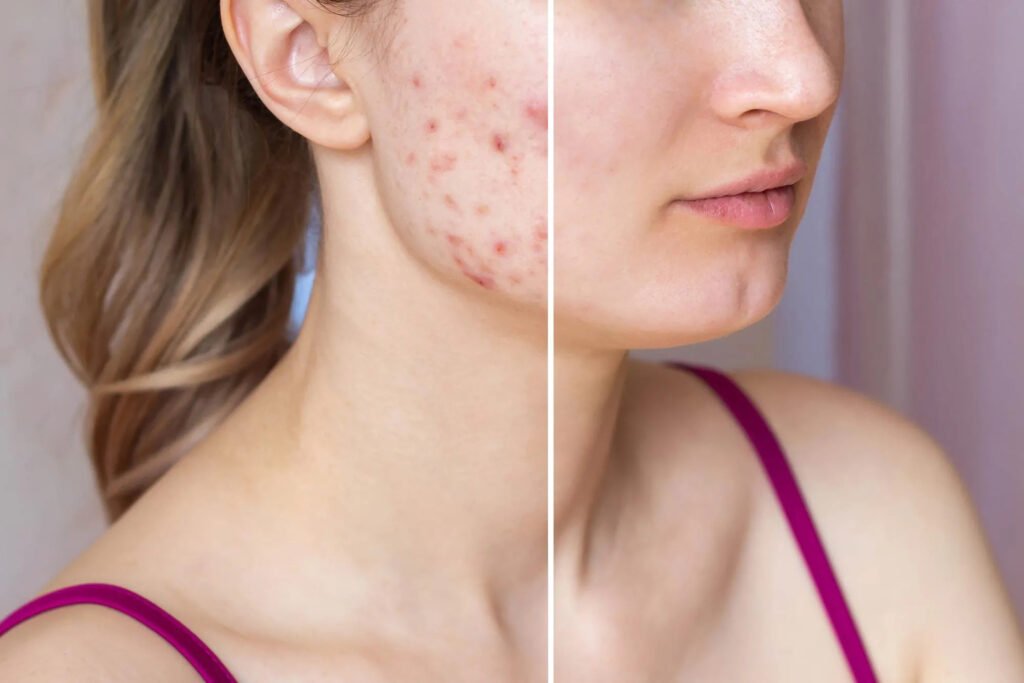

Acne is one of the most common skin concerns affecting teenagers and adults. It develops when hair follicles become clogged with excess oil, dead skin cells, and bacteria, leading to different types of breakouts. Although acne is often associated with adolescence, it can continue into adulthood or develop later in life due to hormonal changes, genetics, stress, and other contributing factors.
Acne can appear in several forms, ranging from small blackheads and whiteheads to inflamed pimples, deeper nodules, and cysts. Each type has different characteristics and may require a specific treatment approach. Understanding the nature of acne is important because using unsuitable skincare products or treatments can sometimes make the condition more difficult to manage.
For individuals exploring Acne treatment in Dubai, identifying the type of acne and understanding its underlying causes can help them make informed skincare decisions. At Perla Dermatology Clinic, personalized dermatological care focuses on evaluating individual skin concerns and considering suitable treatment options for clearer, healthier-looking skin.
Modern dermatology offers several approaches to acne management, including topical products, prescription medications, chemical peels, and selected professional procedures. The right treatment depends on acne severity, skin type, and individual requirements.
What Is Acne and Why Does It Develop?
Acne is a skin condition that develops when hair follicles become blocked with oil and dead skin cells. These follicles contain sebaceous glands, which produce sebum to help keep the skin moisturized.
When excess sebum combines with dead skin cells, it can block the opening of a hair follicle. This creates an environment where acne-causing bacteria, particularly Cutibacterium acnes, can contribute to inflammation.
Acne commonly appears on areas with a higher concentration of oil-producing glands, including:
- Face.
- Forehead.
- Cheeks.
- Chin.
- Jawline.
- Chest.
- Upper back.
- Shoulders.
The appearance of acne varies from person to person. Some individuals experience occasional small breakouts, while others develop persistent inflammatory acne that may leave dark marks or scars.
Understanding these differences is an important part of choosing appropriate Acne treatment in Dubai and developing a personalized skincare routine.
What Are the Main Causes of Acne?
Acne does not develop because of one single factor. Several biological, hormonal, and environmental influences can contribute to blocked pores and inflammation.
Excess Sebum Production
Sebum is the natural oil produced by the skin. However, increased oil production can contribute to clogged pores, particularly when combined with dead skin cells.
Hormonal Changes
Hormones called androgens can stimulate sebaceous glands to produce more oil. This is one reason acne commonly develops during puberty.
Hormonal fluctuations associated with menstruation, pregnancy, and certain medical conditions may also influence acne in adults.
Blocked Hair Follicles
Dead skin cells are normally shed from the skin’s surface. When they accumulate inside hair follicles, they can combine with sebum and create blockages that develop into blackheads and whiteheads.
Bacterial Activity
Cutibacterium acnes naturally lives on the skin. When hair follicles become blocked, bacterial activity can contribute to inflammation and the development of inflammatory acne.
Genetic Factors
Family history can influence a person’s likelihood of developing acne. Individuals with close relatives who experienced persistent acne may have a greater tendency to experience similar concerns.
Stress
Stress can influence hormonal activity and may aggravate existing acne in some individuals. Although stress is not the only cause, managing it can support overall skin health.
Unsuitable Skincare Products
Certain heavy or pore-clogging skincare and cosmetic products may contribute to breakouts in acne-prone individuals.
Selecting products appropriate for the skin type can help support clearer skin.
Understanding Different Types of Acne
Acne appears in several forms, and identifying the specific type is essential for appropriate treatment planning. Some forms involve blocked pores without significant inflammation, while others develop deeper within the skin and may cause discomfort.
Whiteheads
Whiteheads are a type of non-inflammatory acne that develops when a pore becomes blocked with oil and dead skin cells.
The blocked opening remains closed, creating a small white or skin-coloured bump.
Common characteristics include:
- Small raised bumps.
- White or flesh-coloured appearance.
- Usually no significant surrounding redness.
- Common occurrence on the forehead, chin, and cheeks.
Whiteheads may respond to suitable skincare ingredients that help keep pores clear.
Blackheads
Blackheads develop when a blocked pore remains open at the skin’s surface. The material inside the pore reacts with oxygen, creating its characteristic dark appearance.
Blackheads commonly appear around the nose, chin, and forehead.
They are not caused by dirt, so excessive washing or scrubbing does not remove the underlying problem.
Papules
Papules are small, raised, inflamed bumps that may appear red or pink. They develop when blocked follicles become inflamed.
Unlike blackheads and whiteheads, papules are generally more noticeable because of the surrounding redness.
Picking or squeezing these bumps can increase irritation and may contribute to post-inflammatory pigmentation.
Pustules
Pustules are inflamed acne lesions containing visible pus. They often have a white or yellow centre surrounded by redness.
They may appear on the face, chest, back, and shoulders.
Pustules are a common form of inflammatory acne and may require targeted treatment depending on their frequency and severity.
Nodules
Nodular acne develops deeper within the skin and can produce large, firm, and sometimes painful lumps.
These lesions may remain for extended periods and can contribute to scarring.
Nodular acne generally requires professional dermatological assessment because over-the-counter skincare products alone may not be sufficient.
Cystic Acne
Cystic acne is a severe form of inflammatory acne characterized by deep, painful lesions that may contain pus.
It commonly affects the face, chest, shoulders, and back.
Cystic acne can be associated with a higher likelihood of permanent scarring, making early professional assessment important.
Different Types of Acne Based on Their Causes
In addition to identifying individual acne lesions, dermatologists may consider the underlying pattern and possible triggers.
Hormonal Acne
Hormonal acne is associated with changes in hormone levels that influence oil production.
It commonly appears around the chin, jawline, and lower cheeks. Some individuals notice breakouts becoming more prominent around their menstrual cycle.
Adult hormonal acne may require a treatment plan that considers both skin characteristics and hormonal influences.
Adult Acne
Adult acne can develop in individuals who did not experience significant acne during their teenage years. It can also continue from adolescence into adulthood.
Common contributing factors include hormonal fluctuations, genetics, stress, and skincare habits.
Acne Mechanica
Acne mechanica develops when repeated friction, pressure, and heat affect the skin.
It may occur in areas exposed to tight clothing, helmets, sports equipment, or other materials that repeatedly rub against the skin.
Acne Conglobata
Acne conglobata is a less common but severe form of inflammatory acne. It can involve interconnected nodules, abscesses, and extensive inflammation.
It requires specialist medical evaluation and an individualized treatment approach.
Acne Associated With Cosmetics
Some cosmetic and skincare products can contribute to clogged pores in individuals who are prone to acne.
Using suitable non-comedogenic products may help reduce this concern.
Common Areas Affected by Acne
Although acne is frequently associated with facial breakouts, it can affect several areas of the body.
Forehead
The forehead contains numerous oil-producing glands and may develop blackheads, whiteheads, and inflammatory pimples.
Hair products and excess oil may also contribute to breakouts in this area.
Cheeks
Cheek acne can appear as small bumps, inflamed pimples, or deeper lesions. Friction from mobile phones, pillowcases, and other objects may aggravate existing skin concerns.
Chin and Jawline
The chin and jawline are common areas for hormonal acne, particularly in adults.
Breakouts may appear repeatedly in the same areas and sometimes follow hormonal patterns.
Nose
The nose commonly develops blackheads because of its high concentration of sebaceous glands.
Chest and Back
Body acne can develop when pores become blocked by oil and dead skin cells. Sweat, friction, and tight clothing may contribute to breakouts.
For individuals considering Acne treatment in Dubai, identifying the affected areas and the type of acne can help a dermatologist develop a more appropriate treatment strategy.
How Is Acne Diagnosed?
An accurate diagnosis helps determine which treatment approach may be most suitable.
During a dermatological assessment, several factors may be considered.
Skin Examination
The dermatologist examines the skin to identify the type, distribution, and severity of acne.
Medical History
Information about previous breakouts, existing medical conditions, medications, and earlier treatments may help identify contributing factors.
Hormonal Factors
For some individuals, particularly those experiencing persistent adult acne, hormonal influences may need further evaluation.
Skin Type Assessment
Understanding whether the skin is oily, dry, sensitive, or combination can help guide skincare and treatment recommendations.
Acne Scarring and Pigmentation
The dermatologist may also assess whether acne has caused dark marks, redness, uneven texture, or permanent scarring.
At Perla Dermatology Clinic, understanding the patient’s individual skin condition is an important part of planning appropriate acne care.
Modern Acne Treatment Options in Dubai
Acne treatment depends on the type of lesions, their severity, and the factors contributing to breakouts.
Modern dermatology offers several treatment options that can help reduce acne, manage inflammation, and improve overall skin appearance.
Topical Acne Treatments
Topical products are commonly used for mild to moderate acne. They are applied directly to the affected skin and may contain ingredients that help control oil, reduce inflammation, and prevent clogged pores.
Common ingredients include:
- Salicylic acid.
- Benzoyl peroxide.
- Retinoids.
- Azelaic acid.
- Niacinamide.
The appropriate ingredient depends on the skin condition and individual tolerance.
Prescription Medications
Some acne conditions require prescription treatments.
Depending on the diagnosis, a dermatologist may recommend topical or oral medications to address inflammation, bacterial activity, or hormonal influences.
Prescription treatment should always be selected and monitored by an appropriate medical professional.
Chemical Peels
Chemical peels use selected exfoliating ingredients to remove accumulated dead skin cells and improve skin texture.
Depending on the formulation, they may help address clogged pores, mild acne, and post-acne discoloration.
The choice of peel should consider the individual’s skin type and acne severity.
Laser and Light-Based Treatments
Certain laser and light-based technologies may be considered as part of an acne management plan.
Depending on the technology, these procedures may target acne-associated bacteria, inflammation, or post-acne marks.
Treatment suitability varies, and professional assessment is necessary before selecting a procedure.
Professional Acne Facials
Selected professional facial treatments may help cleanse the skin, remove surface impurities, and support the management of clogged pores.
These treatments should be appropriate for the individual’s acne condition and should avoid unnecessary irritation.
How Acne Treatment Helps Improve Skin Health
Acne management focuses on addressing the processes responsible for breakouts while supporting the skin’s natural protective barrier.
A suitable treatment plan may target several concerns.
Controlling Excess Oil
Certain skincare ingredients and medical treatments help regulate excessive sebum production, reducing one of the factors associated with clogged pores.
Keeping Pores Clear
Ingredients such as salicylic acid and retinoids can help reduce the accumulation of dead skin cells inside hair follicles.
Reducing Inflammation
Appropriate acne treatments can help manage redness, swelling, and inflamed lesions.
Preventing New Breakouts
Consistent treatment can help reduce the development of new acne lesions and support more stable skin condition over time.
Managing Post-Acne Marks
Once active acne is controlled, additional treatments may be considered to improve dark marks, uneven skin tone, and changes in skin texture.
For individuals researching Acne treatment in Dubai, understanding these treatment objectives can help establish realistic expectations about the process.
Acne Treatment Cost in Dubai: What Determines the Price?
The cost of acne treatment varies depending on the type of acne, selected procedures, and the number of sessions or follow-up visits required.
When researching Acne treatment cost in Dubai, it is important to understand that every individual may need a different treatment plan.
Several factors can influence the overall price.
Severity of Acne
Mild acne may require a relatively simple skincare approach, while severe inflammatory or cystic acne may need more comprehensive medical management.
Type of Treatment
Topical treatments, prescription medications, chemical peels, laser procedures, and professional acne treatments have different pricing structures.
Number of Sessions
Some procedures require multiple sessions to achieve the desired improvement. The number of appointments can influence the overall cost.
Size of the Affected Area
Treating facial acne may involve different requirements compared with treating acne across the chest, shoulders, and back.
Practitioner’s Experience
The qualifications and experience of the medical professional may influence consultation and treatment fees.
Clinic Facilities and Technology
The equipment, clinical facilities, and services included in the treatment plan can also affect pricing.
Individual Treatment Requirements
Some patients may require a combination of treatments to address active acne, pigmentation, and scarring.
Therefore, the final Acne treatment cost in Dubai is generally determined after evaluating the skin and understanding the individual’s needs.
Patients should request a clear explanation of the recommended procedures, expected sessions, and associated costs before beginning treatment.
How to Choose the Best Acne Treatment in Dubai
Choosing an appropriate acne treatment requires understanding the underlying skin condition rather than selecting a procedure simply because it is popular.
Individuals searching for the Best Acne Treatment in Dubai should consider several important factors.
Accurate Diagnosis
A qualified dermatologist should identify the type and severity of acne before recommending treatment.
Personalized Treatment Planning
Treatment should reflect individual skin characteristics, medical history, and acne-related concerns.
Qualified Medical Professionals
Practitioner qualifications and experience are important, particularly when prescription treatments and professional procedures are involved.
Suitable Treatment Options
A good treatment plan should focus on addressing the underlying causes of acne rather than only improving its temporary appearance.
Realistic Expectations
Acne generally requires consistent management. Patients should understand that improvement may take several weeks or months, depending on the condition.
Follow-Up Care
Regular assessment helps evaluate treatment progress and determine whether adjustments are needed.
At Perla Dermatology Clinic, personalized dermatological care focuses on understanding individual skin concerns and considering suitable options for acne management.
The Role of Skincare in Managing Acne
A consistent skincare routine can support professional acne treatments and help maintain healthier-looking skin.
However, the routine should be appropriate for the individual’s skin type and condition.
Use a Gentle Cleanser
Wash the face with a gentle cleanser to remove excess oil, sweat, and impurities without unnecessarily damaging the skin barrier.
Choose Non-Comedogenic Products
Select skincare and cosmetic products labelled non-comedogenic, meaning they are formulated to reduce the likelihood of blocking pores.
Moisturize Regularly
Even oily and acne-prone skin needs hydration. A lightweight moisturizer can help maintain skin barrier function.
Apply Sunscreen
Some acne treatments can increase sensitivity to sunlight. Broad-spectrum SPF 30 or higher can help protect the skin and reduce the appearance of post-acne dark marks becoming more noticeable.
Avoid Excessive Exfoliation
Using too many exfoliating products can irritate the skin and aggravate inflammation.
Maintain a Consistent Routine
Changing products frequently can make it difficult to determine what works for the skin. A consistent routine is generally more helpful.
Understanding Acne Scars and Post-Acne Marks
Acne can sometimes leave visible changes even after active breakouts have healed.
These changes are generally divided into post-acne marks and permanent scars.
Post-Inflammatory Hyperpigmentation
Post-inflammatory hyperpigmentation appears as flat brown, dark, or greyish marks following acne inflammation.
These marks are caused by increased melanin production and are particularly common in darker skin tones.
Post-Inflammatory Redness
Some individuals develop flat red or pink marks after acne lesions heal. These changes are related to inflammation and blood vessels rather than excess melanin.
Atrophic Acne Scars
Atrophic scars appear as depressions or indentations in the skin because of collagen loss during the healing process.
They include:
- Ice-pick scars.
- Boxcar scars.
- Rolling scars.
Hypertrophic and Keloid Scars
These scars develop when excess collagen forms during the healing process. They appear raised above the surrounding skin and may be more common on the chest, shoulders, and back.
Different scar types require different treatment approaches. Procedures such as microneedling, selected laser treatments, and other dermatological techniques may be considered depending on the individual condition.
How to Prevent Acne Breakouts
Although acne cannot always be prevented, certain habits may help reduce factors that contribute to breakouts.
Keep the Skin Clean
Wash the face gently, particularly after sweating or physical activity.
Avoid Picking or Squeezing Pimples
Picking acne lesions can increase inflammation and contribute to pigmentation and scarring.
Clean Makeup Tools
Regularly wash makeup brushes and applicators to reduce the accumulation of oil and impurities.
Choose Suitable Hair Products
Heavy hair products may contribute to breakouts around the forehead and hairline in some individuals.
Change Pillowcases Regularly
Keeping pillowcases clean can help reduce the accumulation of oil, sweat, and skincare residue.
Maintain Healthy Lifestyle Habits
Balanced nutrition, sufficient sleep, and stress management support overall health and may help some individuals manage acne triggers.
Why Personalized Acne Care Matters at Perla Dermatology Clinic
Every person’s skin is different. Acne may appear as occasional blackheads, persistent inflammatory breakouts, hormonal acne, or deeper lesions that require medical attention.
For this reason, treatment should be based on an accurate understanding of the skin rather than a standard approach for everyone.
At Perla Dermatology Clinic, personalized dermatological care focuses on evaluating individual skin conditions and considering suitable acne management options.
The approach emphasizes:
- Understanding the type and severity of acne.
- Assessing individual skin characteristics.
- Identifying possible contributing factors.
- Considering appropriate treatment options.
- Supporting consistent skincare habits.
- Addressing post-acne pigmentation and scarring.
- Evaluating progress through appropriate follow-up.
For individuals considering Acne treatment in Dubai, professional assessment can help establish a treatment plan that reflects their specific concerns and skin goals.
Whether someone is experiencing teenage acne, adult breakouts, blackheads, or persistent inflammatory acne, the focus should remain on suitable care and long-term skin health.
Common Myths About Acne
Several misconceptions about acne can lead to unsuitable skincare habits and unrealistic treatment expectations.
Understanding the facts can help individuals make better decisions.
Myth 1: Acne Only Affects Teenagers
Acne can develop at any age. Adult acne is common and may be influenced by hormones, genetics, stress, and other factors.
Myth 2: Acne Is Caused Only by Poor Hygiene
Acne develops through a combination of excess oil, blocked follicles, bacterial activity, and inflammation. Excessive washing does not eliminate these underlying causes.
Myth 3: Oily Skin Does Not Need Moisturizer
Oily skin still requires hydration. Using an appropriate lightweight moisturizer can help maintain the skin barrier.
Myth 4: Popping Pimples Makes Them Heal Faster
Squeezing pimples can increase inflammation and may lead to scarring or pigmentation.
Myth 5: All Acne Treatments Work Immediately
Most acne treatments require consistent use over several weeks or longer. Results depend on the severity of acne and the selected treatment.
Frequently Asked Questions About Acne Treatment in Dubai
- What are the different types of acne?
Common types include whiteheads, blackheads, papules, pustules, nodules, and cystic acne. Each type has different characteristics and may require a specific treatment approach.
- What causes acne on the face?
Facial acne may develop because of excess oil production, blocked pores, hormonal changes, bacterial activity, and inflammation.
- Can adults develop acne?
Yes. Adult acne can develop due to hormonal fluctuations, genetics, stress, skincare products, and other contributing factors.
- What is the Acne treatment cost in Dubai?
The Acne treatment cost in Dubai depends on acne severity, selected procedures, number of sessions, practitioner expertise, and clinic services. A consultation helps determine the appropriate treatment and estimated cost.
- How long does acne treatment take to show results?
Some individuals notice improvement within four to eight weeks, while more persistent acne may require several months of consistent treatment.
- Can acne leave permanent scars?
Yes. Severe inflammatory acne, particularly nodular and cystic acne, can damage deeper skin structures and leave permanent scars.
- Is acne treatment suitable for sensitive skin?
Yes, but treatment ingredients and procedures should be selected carefully according to skin sensitivity and individual requirements.
- How can I find the Best Acne Treatment in Dubai?
When searching for the Best Acne Treatment in Dubai, consider accurate diagnosis, qualified dermatological care, personalized treatment planning, and appropriate follow-up.
- Can skincare products help control acne?
Yes. Suitable cleansers, moisturizers, sunscreen, and acne-focused ingredients can support treatment and help maintain clearer-looking skin.
- Can acne affect areas other than the face?
Yes. Acne can develop on the chest, shoulders, upper back, and other areas containing oil-producing glands.
Conclusion
Acne is a common skin condition that can develop in different forms and affect individuals at various stages of life. From blackheads and whiteheads to inflammatory pimples, nodules, and cystic acne, each type has different characteristics and treatment requirements.
Understanding the causes and identifying the type of acne are important steps towards selecting suitable treatment options. Modern dermatology offers several approaches, including topical products, prescription medications, chemical peels, and selected professional procedures.
For individuals exploring Acne treatment in Dubai, professional assessment helps identify the nature of the condition and establish a personalized approach to skin management.
At Perla Dermatology Clinic, the focus on individualized dermatological care supports treatment planning based on specific skin concerns and personal needs. With appropriate treatment, consistent skincare, and professional guidance, individuals can work towards managing breakouts, improving skin texture, and achieving a clearer, healthier-looking complexion.