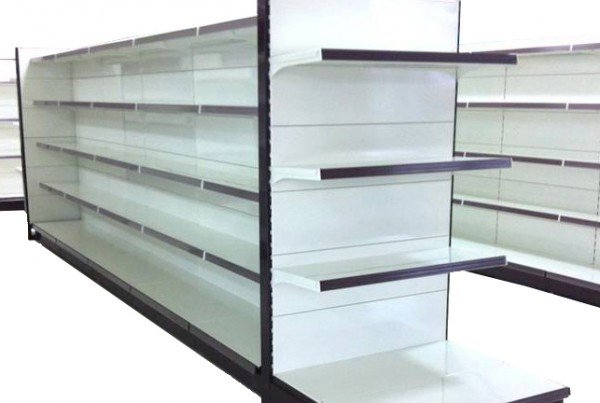

Creating an attractive and well-organised retail environment is essential for providing customers with a positive shopping experience. The way products are arranged can influence customer attention, purchasing decisions, and the overall appearance of a store. One of the most practical solutions for improving product presentation is choosing the right display rack. Whether you operate a supermarket, clothing boutique, electronics shop, or convenience store, suitable display fixtures can help maximise available space and showcase merchandise effectively.
However, with so many designs, materials, and configurations available, selecting the best option can be challenging. Retailers need to consider factors such as product type, store layout, durability, functionality, and budget before making a purchase. This guide explains the key considerations to help you find the most suitable display solution for your retail business.
1. Understand Your Retail Store Requirements
Before purchasing display fixtures, identify your store’s specific requirements. Different retail businesses have different product presentation needs. For example, supermarkets require shelving systems that can accommodate groceries and packaged goods, while clothing stores need racks that can showcase garments and accessories.
Consider the type of merchandise you sell, the number of products you want to display, and how frequently your inventory changes. Understanding these requirements will help you select a design that supports your daily retail operations.
2. Choose the Right Display Rack Material
Material quality is an important factor because it affects durability, appearance, maintenance, and load capacity. Different materials offer different advantages depending on the retail environment.
Metal Display Racks
Metal racks are popular because of their strength, durability, and ability to support heavier products. They are commonly used in supermarkets, hardware stores, warehouses, and convenience shops. Many metal options also feature powder-coated finishes that improve their appearance and resistance to corrosion.
Wooden Display Racks
Wooden racks offer a warm and sophisticated appearance. They are suitable for boutiques, gift shops, cosmetics stores, and premium retail outlets. Their attractive finishes can complement different interior design styles and create a more welcoming shopping environment.
Plastic Display Racks
Plastic racks are generally lightweight, easy to move, and suitable for displaying smaller or lighter merchandise. They are often used for promotional products, stationery, accessories, and other lightweight retail items.
When comparing materials, consider the expected product weight, maintenance requirements, and overall store design.
3. Consider Your Available Store Space
Space management is essential when planning an effective retail layout. Large or poorly positioned fixtures can restrict customer movement and make a store feel overcrowded.
Measure your available floor area before selecting any shelving system. Consider the height, width, and depth of the fixtures, along with the space required for shopping aisles and customer access.
Vertical shelving can be particularly useful for smaller stores because it allows retailers to display more products without occupying excessive floor space. Wall-mounted options can also help keep walkways clear while making merchandise easily accessible.
4. Select a Design That Matches Your Products
Different products require different display arrangements. Choosing a suitable design ensures merchandise remains organised, accessible, and visually appealing.
Here are some popular options to consider:
- Gondola Racks: Ideal for supermarkets, grocery stores, and convenience shops because they offer multiple shelves and can be positioned in shopping aisles.
- Wall-Mounted Racks: Suitable for boutiques and smaller retail spaces where floor space is limited.
- Freestanding Racks: Useful for highlighting promotional items, seasonal merchandise, and newly launched products.
- Rotating Racks: Perfect for accessories, stationery, mobile phone cases, and other compact products.
- Multi-Tier Racks: Help retailers arrange merchandise at different heights, improving visibility and product accessibility.
Evaluate your product dimensions and presentation requirements before choosing a particular configuration.
5. Check Weight Capacity and Durability
A visually attractive fixture is not necessarily suitable for every retail application. Before making a purchase, check its maximum weight capacity and construction quality.
If you sell heavy merchandise, choose sturdy racks with strong frames and reliable shelf supports. For lightweight products, simpler shelving systems may be sufficient.
Also examine the quality of joints, fittings, surface finishes, and supporting structures. Durable materials and proper construction can help reduce maintenance expenses and extend the useful life of your retail fixtures.
6. Look for Adjustable and Flexible Features
Retail businesses frequently update their product collections, promotional campaigns, and store layouts. Therefore, flexibility is another important consideration.
An adjustable display rack allows retailers to change shelf heights according to product dimensions. This makes it easier to accommodate different merchandise without purchasing additional fixtures.
Modular shelving systems are also worth considering because they can be rearranged or expanded as business requirements change. Such flexibility is particularly beneficial for growing businesses and stores with seasonal inventory.
7. Focus on Product Visibility and Customer Convenience
The primary purpose of retail display fixtures is to present products effectively. Therefore, choose designs that allow customers to see, compare, and access merchandise without difficulty.
Arrange frequently purchased products at convenient heights and place promotional items in noticeable areas. Avoid overcrowding shelves because excessive merchandise can make products difficult to identify.
You can also use proper lighting, clear product labels, and organised categories to create an attractive shopping environment. A thoughtful presentation can encourage customers to explore more products and improve their overall shopping experience.
8. Compare Prices and Choose a Reliable Supplier
Budget is an important consideration when purchasing retail fixtures. However, selecting the cheapest option may not always provide the best long-term value.
Compare prices from different suppliers while evaluating material quality, product specifications, customisation options, and installation services. Ask about warranties, delivery arrangements, and after-sales support before finalising your purchase.
A reliable supplier should provide clear product information and help you identify suitable solutions based on your retail requirements. Consider both initial costs and long-term durability when comparing available options.
Common Mistakes to Avoid When Buying Retail Display Racks
Retailers can avoid unnecessary expenses by being aware of some common purchasing mistakes.
- Choosing fixtures without measuring the available store space.
- Ignoring weight capacity and product dimensions.
- Prioritising appearance over durability and functionality.
- Purchasing oversized shelving that restricts customer movement.
- Overlooking adjustable features and future business requirements.
- Selecting products without comparing supplier quality and pricing.
Avoiding these mistakes can help you make a more practical investment and create a better-organised retail environment.
Conclusion
Choosing the best retail display solution requires careful planning and an understanding of your business needs. Factors such as material quality, available space, product dimensions, weight capacity, flexibility, and budget should all influence your decision.
The right display rack can improve product visibility, maximise available space, and create a more organised shopping environment. By comparing different designs and working with a reliable supplier, retailers can find suitable fixtures that support their current operations and future growth.
Whether you are setting up a new shop or upgrading an existing store, investing in high-quality display solutions is a practical step towards improving product presentation and creating a positive customer experience.