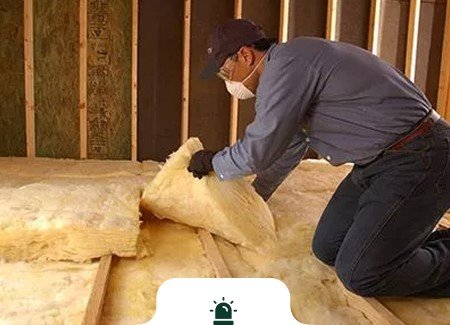

A comfortable home depends on more than a heating and cooling system. Proper insulation plays an essential role in maintaining indoor temperatures, reducing energy waste, and creating a healthier living environment. Many homeowners experience uneven temperatures, cold rooms during winter, excessive indoor heat during summer, and rising utility bills without realizing that inadequate insulation may be responsible. Professional home insulation services help address these problems by improving the thermal performance of important areas throughout a property. From attics and walls to crawl spaces and floors, the right insulation approach can make a noticeable difference in everyday comfort.
Choosing reliable home insulation services is particularly important in regions with significant seasonal temperature changes, such as Colorado. Homes must withstand freezing winter conditions, strong winds, and hot summer afternoons while maintaining consistent indoor temperatures. Insulation helps reduce unwanted heat transfer, allowing heating and cooling equipment to operate more efficiently. Homeowners also benefit from understanding how air leaks, moisture concerns, and insufficient insulation work together to affect overall building performance. With a professional assessment and an appropriate improvement plan, property owners can make informed decisions that support long-term comfort, energy efficiency, and property maintenance.
Understanding the Importance of Proper Home Insulation Services
Insulation creates a protective barrier that slows the movement of heat between indoor and outdoor environments. During winter, it helps retain warmth inside the house, while during summer, it reduces the amount of outdoor heat entering living spaces. However, insulation performance depends on several factors, including material quality, installation methods, coverage, and the condition of the existing building structure. Professional home insulation services evaluate these elements to determine where improvements will have the greatest impact. Attics often require particular attention because warm air naturally rises and can escape through poorly insulated ceilings. Walls, floors, and crawl spaces may also contribute to energy loss when insulation is missing, damaged, or improperly installed. Addressing these areas as part of a complete building efficiency strategy helps homeowners achieve more consistent temperatures while reducing unnecessary demands on their heating and cooling systems.
How Attic Insulation Improves Indoor Comfort
Attics are among the most important areas to evaluate when improving residential energy efficiency. Since heat moves upward, an inadequately insulated attic can allow considerable warmth to escape during colder months. In summer, roof surfaces become extremely hot, transferring heat into the attic and potentially affecting rooms below. Installing suitable attic insulation helps reduce this transfer and creates a more stable indoor environment. Depending on the structure and existing conditions, homeowners may benefit from fiberglass batts or blown-in insulation. Blown-in materials are particularly useful for covering irregular spaces and reaching areas that are difficult to access using traditional installation methods. Before adding new material, professionals should examine existing insulation, identify air leaks, and check for signs of moisture or damage. Proper coverage and appropriate insulation depth are equally important because uneven installation can leave vulnerable areas that reduce overall performance.
Why Air Sealing Should Be Part of an Insulation Strategy
Adding insulation alone may not solve every comfort or efficiency problem because unwanted air movement can undermine its effectiveness. Small openings around plumbing penetrations, electrical wiring, attic access points, and structural connections can allow conditioned air to escape while outdoor air enters the building. Air sealing addresses these openings by using suitable materials, such as caulk or expanding foam, depending on the location and size of the gap. This process is especially valuable before installing additional insulation because it helps create a more effective barrier against unwanted airflow. A thorough assessment should also consider ventilation requirements to prevent moisture accumulation and maintain appropriate indoor air quality. When insulation and air sealing are planned together, homeowners can achieve better temperature consistency and reduce drafts without relying entirely on their HVAC systems to compensate for building weaknesses.
Choosing the Right Insulation Materials for Different Areas
Different sections of a home have different insulation requirements, making material selection an important part of any improvement project. Fiberglass batt insulation is commonly used in accessible wall cavities, floors, and ceiling spaces with standard framing dimensions. Blown-in fiberglass or cellulose can provide coverage in irregular spaces, existing wall cavities, and attic areas where traditional materials may be difficult to position. Crawl space insulation addresses another important part of residential performance by helping reduce heat loss through floors and limiting the effects of cold conditions beneath the home. Depending on the property’s design, radiant barriers may also help reflect radiant heat away from attic spaces during warmer months. Homeowners should consider the building layout, local climate, moisture conditions, and recommended R-value when selecting materials. Rather than choosing insulation based only on price, it is more practical to evaluate how well a particular solution suits the intended installation area and long-term performance requirements.
The Value of Professional Assessment and Installation
Every property has different insulation needs, so a detailed inspection is an important first step before beginning an improvement project. A professional assessment can identify insufficient insulation, uneven coverage, air leakage, and potential moisture concerns that may not be obvious during a basic visual inspection. Specialists may use thermal imaging, blower door testing, and other evaluation methods to understand how a building loses energy. These findings help establish which improvements should receive priority and prevent homeowners from spending money on upgrades that do not address the underlying problem. Working with an experienced local contractor also makes it easier to understand installation requirements, material options, project costs, and applicable energy efficiency incentives. For Colorado property owners, home insulation services should account for regional climate conditions and the specific requirements of each building. Clear estimates, documented recommendations, proper installation practices, and attention to cleanup all contribute to a more dependable project experience.
Crawl Space Insulation and Moisture Management
Crawl spaces are frequently overlooked during home improvement projects, even though their condition can influence indoor comfort and building performance. Because these spaces sit beneath living areas, cold air and moisture can affect floors and surrounding structural materials. Inadequate insulation may contribute to uncomfortable flooring, temperature differences between rooms, and additional heating demands during winter. However, installing insulation without considering moisture management can create other problems. Professionals should inspect the crawl space for signs of water intrusion, condensation, damaged materials, and inadequate ventilation before recommending improvements. Depending on the property’s construction, suitable insulation and vapor barrier solutions may help manage ground moisture and reduce unwanted heat transfer. Properly addressing the space beneath a home supports a more comprehensive approach to energy efficiency while helping protect the building from conditions that can affect its long-term durability.
Understanding Energy Rebates and Long-Term Efficiency Benefits
Energy improvement projects can represent a meaningful investment, which makes it important for homeowners to understand the financial assistance that may be available. Certain utility providers and regional energy programs offer incentives for qualifying insulation upgrades, air sealing projects, and other efficiency improvements. Eligibility requirements can vary according to the service area, property type, installation standards, and specific program guidelines. Homeowners should confirm these details before beginning work and understand what documentation may be necessary. In Colorado, Insulation Nation provides insulation solutions for the Denver metropolitan area and assists eligible homeowners with Xcel Energy rebate processing. This type of support can simplify the administrative side of an improvement project while helping property owners understand potential savings. Beyond available incentives, the long-term value of insulation comes from improved temperature control, reduced energy waste, and a more comfortable living environment. Evaluating both immediate project costs and potential ongoing benefits allows homeowners to make more informed decisions.
Conclusion
Proper insulation is an important investment in residential comfort, energy efficiency, and building performance. From improving attic coverage and sealing unwanted air leaks to selecting suitable materials for walls and crawl spaces, every improvement should be based on the property’s actual requirements. Homeowners should prioritize professional inspections, appropriate installation methods, moisture management, and an understanding of available energy incentives rather than focusing on individual upgrades without considering the entire building. Choosing dependable home insulation services can help address existing efficiency problems and create a more comfortable indoor environment throughout changing seasons. With its focus on attic insulation, crawl space solutions, air sealing, and rebate assistance, Insulation Nation offers Colorado homeowners an option for addressing these important residential needs. Ultimately, making informed insulation decisions today can contribute to a more efficient, comfortable, and well-maintained home for years to come.