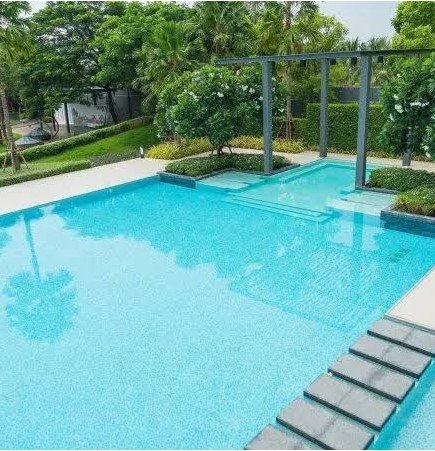

Commercial swimming pools are valuable amenities for hotels, resorts, apartment communities, fitness centers, recreational facilities, and other businesses. They provide opportunities for relaxation, exercise, entertainment, and guest satisfaction while adding functionality to commercial properties. However, maintaining a swimming pool that serves multiple users requires careful planning, durable materials, and professional construction. Unlike residential pools, commercial installations often experience heavier usage and must accommodate different operational requirements. Working with an experienced commercial pool contractor helps property owners and facility managers plan construction projects, improve existing swimming areas, and address technical requirements that influence long-term performance.
Choosing the right pool professional is an important decision for any commercial property. Poor planning, unsuitable materials, or inadequate installation can create maintenance challenges and affect the overall experience of pool users. Business owners need solutions that consider the property’s layout, expected traffic, available budget, operating schedule, and long-term maintenance responsibilities. An experienced commercial pool contractor can evaluate these factors and recommend improvements that align with the facility’s purpose. Affordable Pools provides pool construction and renovation services for property owners looking to develop or improve their swimming facilities. Understanding the essential elements of commercial pool projects can help businesses make informed decisions and achieve practical results.
Understanding the Requirements of Commercial Pool Construction
Commercial pool construction involves several important considerations that differ from typical residential projects. Hotels, apartment complexes, resorts, and recreational facilities may require swimming areas designed to accommodate different user groups and higher levels of activity. The planning process begins with evaluating the property, available space, site conditions, drainage, accessibility, and intended pool capacity. These factors influence the pool’s dimensions, depth, layout, circulation system, and surrounding facilities. Construction planning must also account for applicable building codes, permits, health requirements, and safety standards. Depending on the property’s purpose, additional considerations may include designated entry areas, accessible features, appropriate fencing, and equipment arrangements. Careful planning before construction begins helps prevent unnecessary design changes and supports a more organized installation process. Property managers should communicate their operational expectations early so that the proposed design addresses both current needs and potential future demands.
Selecting Durable Materials for Commercial Swimming Pools
Material selection plays an important role in the performance and appearance of a commercial swimming pool. Because these facilities often experience frequent use, finishes and surrounding surfaces should be selected with durability, maintenance, and user comfort in mind. Interior pool finishes must be suitable for continuous water exposure and regular cleaning procedures. Tile materials should be appropriate for their intended location, while coping and decking should provide dependable performance under changing environmental conditions. Commercial pool decks deserve particular attention because they experience regular foot traffic, water exposure, and cleaning activities. Property owners should evaluate surface texture, slip resistance, drainage, and ease of maintenance when comparing available materials. Choosing suitable products from the beginning can help reduce avoidable maintenance concerns and preserve the property’s appearance. Professional guidance also helps ensure that selected materials are compatible with the pool’s existing structure and intended operating conditions.
Why Professional Pool Installation and Equipment Matter
A commercial swimming pool depends on several connected systems that must function properly to support regular operation. Plumbing, filtration, circulation, and water treatment equipment all contribute to maintaining appropriate water conditions. Incorrect equipment selection or installation can create operational difficulties and increase the amount of attention required from facility staff. A knowledgeable commercial pool contractor can evaluate the pool’s dimensions, expected usage, and technical requirements before recommending suitable installation solutions. Equipment placement should also allow reasonable access for inspection, cleaning, and servicing. Property managers should understand the proposed filtration system, circulation arrangements, plumbing components, and equipment responsibilities before construction begins. Proper coordination between structural work and mechanical installation is equally important. When these elements are considered together, commercial facilities can establish a more practical foundation for daily pool operations and future maintenance.
Commercial Pool Renovation and Restoration Services
Existing commercial swimming pools may eventually require renovation because of regular use, environmental exposure, aging materials, or changing property requirements. Worn plaster, cracked surfaces, damaged waterline tiles, deteriorating coping, and uneven decking can affect both appearance and functionality. In some cases, older equipment may also require inspection or replacement to support more dependable operation. Renovation should begin with a thorough assessment of the existing pool to identify visible damage and potential underlying concerns. Applying new finishes without addressing structural or moisture-related problems may lead to additional repairs later. Affordable Pools offers renovation services that help commercial property owners refresh aging swimming facilities and address different improvement needs. Depending on the property’s condition, a renovation may include resurfacing, tile replacement, coping improvements, deck restoration, and other necessary repairs. A carefully planned project can improve the overall swimming environment while helping property managers make better use of their existing facilities.
Managing Safety and Accessibility in Commercial Pool Areas
Safety and accessibility should remain central considerations throughout the design, construction, and renovation of commercial swimming pools. Facilities serving guests, tenants, employees, or members of the public must consider the needs of different users and comply with applicable local requirements. Pool entry points, surrounding walkways, deck surfaces, barriers, signage, and access features should be evaluated as part of the overall project. Proper drainage is also important because standing water around swimming areas can contribute to slippery conditions and maintenance difficulties. Lighting should provide suitable visibility during operating hours, particularly around steps, entrances, and surrounding pathways. Facility managers should also establish appropriate cleaning, inspection, and maintenance procedures after construction is completed. Professional planning helps identify important considerations before they become difficult or expensive to address. By treating safety and accessibility as essential project requirements, commercial property owners can create more welcoming and functional swimming environments.
Planning Commercial Pool Projects Around Business Operations
Commercial pool projects often require careful scheduling because construction and renovation activities can affect daily business operations. Hotels may need to coordinate work around guest bookings, while apartment communities must consider residents’ access to shared amenities. Fitness centers and recreational facilities may also need to adjust operating schedules during major improvements. Before starting a project, managers should establish priorities, review the expected construction timeline, and communicate any operational restrictions. A detailed proposal should explain the planned work, materials, equipment, estimated costs, and expected completion stages. It is also important to discuss possible delays related to weather, inspections, material availability, or unexpected structural conditions. An organized approach allows businesses to prepare staff, notify users, and make suitable arrangements during construction. Clear communication between property management and the contractor helps keep project expectations realistic and reduces unnecessary disruptions.
Maintaining Commercial Pools for Long-Term Performance
Completing construction or renovation is only one part of managing a commercial swimming facility. Regular maintenance is essential for protecting materials, supporting proper water conditions, and identifying developing problems. Commercial pool operators should establish consistent cleaning routines and monitor important water chemistry factors, including pH, alkalinity, and sanitizer levels. Filtration systems, circulation equipment, plumbing connections, and other mechanical components should receive scheduled inspections. Pool surfaces, tiles, coping, and surrounding decks should also be checked for cracks, deterioration, loose materials, and drainage concerns. Keeping accurate maintenance records can help facility managers identify recurring issues and plan repairs before they become more extensive. Seasonal preparation may also be necessary depending on the property’s location and operating schedule. Following suitable maintenance procedures helps protect the original investment and supports a cleaner, more functional swimming environment.
Conclusion
Developing or improving a commercial swimming pool requires more than selecting an attractive design. Property owners must consider construction requirements, durable materials, equipment performance, safety, accessibility, project scheduling, and ongoing maintenance. Each of these elements contributes to the pool’s overall functionality and its ability to serve guests, tenants, employees, and other users. Choosing an experienced commercial pool contractor helps bring these considerations together through professional planning, construction, and renovation services. Affordable Pools provides solutions for commercial pool projects, including new construction and improvements to existing swimming facilities. Businesses that prioritize suitable materials, careful project management, and consistent maintenance can create attractive swimming environments that support their operational needs. The right professional guidance and attention to quality at every stage provide a strong foundation for long-term pool performance and customer satisfaction.