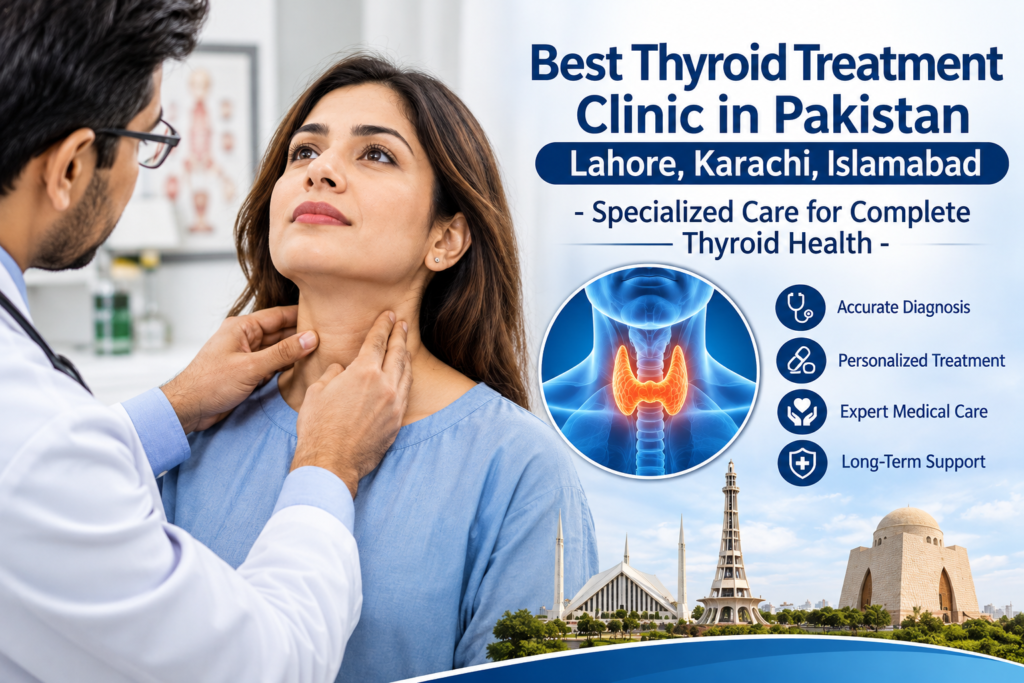

Choosing the Best Thyroid Treatment Clinic in Pakistan, Lahore, Karachi, Islamabad can make an important difference in managing thyroid-related health problems. The thyroid gland plays a vital role in regulating metabolism, energy production, body temperature, heart rate, and hormonal balance. When this small butterfly-shaped gland does not function properly, it can affect several aspects of physical and emotional well-being.
From unexplained weight changes and persistent fatigue to irregular heartbeats and hormonal disturbances, thyroid disorders can produce symptoms that interfere with everyday life. Fortunately, proper diagnosis, personalized medication, and continuous medical supervision can help patients manage many thyroid conditions effectively.
Whether someone is experiencing an underactive thyroid, an overactive thyroid, thyroid nodules, or another hormonal imbalance, finding an experienced thyroid specialist is the first step towards better health.
Why Choosing the Best Thyroid Treatment Clinic in Pakistan Matters
Thyroid disorders are not always easy to identify because their symptoms can resemble other medical conditions. Some patients experience gradual weight gain, tiredness, and sensitivity to cold, while others struggle with anxiety, excessive sweating, and unexpected weight loss.
The Best Thyroid Treatment Clinic in Pakistan, Lahore, Karachi, Islamabad should focus on identifying the underlying hormonal problem rather than simply treating individual symptoms.
A comprehensive thyroid care approach generally includes:
- Detailed medical history and physical examination.
- Thyroid hormone testing and laboratory investigations.
- Ultrasound assessment when thyroid abnormalities are suspected.
- Individualized medication and treatment planning.
- Nutritional and lifestyle guidance where appropriate.
- Regular monitoring of thyroid function and treatment response.
A qualified endocrinologist can evaluate these findings and recommend suitable treatment according to the patient’s condition.
Common Thyroid Disorders That Require Specialized Medical Attention
Understanding the different types of thyroid disorders helps patients recognize why professional evaluation is important.
1. Hypothyroidism (Underactive Thyroid)
This condition can slow down several body functions and affect metabolism.
Common symptoms include persistent tiredness, weight gain, dry skin, constipation, hair thinning, and sensitivity to cold.
Hashimoto’s thyroiditis, an autoimmune condition, is a common cause of hypothyroidism. Treatment generally involves levothyroxine, with dosage adjustments based on laboratory results and clinical assessment.
2. Hyperthyroidism (Overactive Thyroid)
Hyperthyroidism occurs when the thyroid gland produces excessive hormones. This can increase metabolic activity and place additional demands on the cardiovascular system.
Patients may experience:
- Unexplained weight loss.
- Rapid heartbeat or palpitations.
- Excessive sweating.
- Nervousness and anxiety.
- Hand tremors.
- Difficulty sleeping.
Depending on the underlying cause, treatment may involve antithyroid medicines, radioactive iodine therapy, or surgery.
3. Thyroid Nodules and Goitre
Thyroid nodules are abnormal growths within the thyroid gland. Most are noncancerous, but some require additional investigation to exclude thyroid cancer.
A goitre refers to enlargement of the thyroid gland and may occur with different thyroid conditions.
Ultrasound examinations and fine-needle aspiration (FNA), when indicated, help doctors evaluate suspicious nodules and determine the appropriate management strategy.
4. Thyroid Cancer
Thyroid cancer develops when abnormal cells grow within the thyroid gland. Its major types include papillary, follicular, medullary, and anaplastic thyroid cancer.
The appropriate treatment varies according to the cancer’s type and stage and may include surgical removal, radioactive iodine therapy, thyroid hormone medication, radiation therapy, or targeted drug treatments.
Early evaluation and appropriate specialist care are important for determining the most suitable treatment approach.
Best Thyroid Treatment Clinic in Lahore, Karachi and Islamabad
Patients searching for the Best Thyroid Treatment Clinic in Lahore, Karachi, Islamabad should evaluate the expertise of available specialists, diagnostic facilities, treatment options, and continuity of care.
Each city offers different healthcare facilities where patients can seek thyroid-related medical assistance.
Thyroid Treatment in Lahore
Lahore is an important medical destination for patients seeking endocrinology consultations and thyroid management. Patients can explore hospitals and specialist clinics offering thyroid function testing, ultrasound examinations, hormonal treatment, and endocrine consultations.
When choosing a clinic, consider whether it provides access to experienced endocrinologists and appropriate diagnostic services.
Thyroid Treatment in Karachi
Karachi has several established healthcare institutions offering specialist medical services. The Aga Khan University Hospital is one example of a major healthcare institution providing diagnostic and specialist care.
Patients should look for facilities with access to endocrinology, laboratory testing, thyroid imaging, and appropriate treatment services.
Thyroid Treatment in Islamabad
Islamabad and the neighbouring Rawalpindi region provide access to specialist hospitals and medical centres offering thyroid assessment and treatment.
Patients can evaluate facilities based on their endocrinology services, diagnostic capabilities, treatment coordination, and availability of regular follow-up appointments.
The right clinic is not necessarily the largest or most expensive facility. It is the one that can appropriately address the patient’s medical needs.
Thyroid Expert Treatment Consultation with Dr. Zaar
For individuals seeking specialized thyroid care, Dr. Zaar can be included as a consideration when exploring treatment options for hormonal and endocrine conditions. Patients should look for an individualized approach that considers thyroid function test results, symptoms, medical history, and ongoing treatment needs. A thorough consultation can help patients better understand their thyroid condition and discuss suitable diagnostic and management options for long-term hormonal health.
WhatsApp: +92-321-9700-700
Address: 32 A, Lawrence Road, Lahore
Web: https://drzaar.com
Attend the Clinic at the Confirmed Time.
Advanced Diagnostic Services for Accurate Thyroid Assessment
Reliable thyroid treatment begins with understanding how the gland is functioning. Doctors may recommend different investigations depending on symptoms, examination findings, and medical history.
Important diagnostic tests include:
TSH Test: Measures thyroid-stimulating hormone and is commonly used as an initial investigation for thyroid dysfunction.
Free T4 and T3 Tests: Help evaluate circulating thyroid hormone levels and identify hormonal imbalances.
Thyroid Antibody Tests: May help identify autoimmune thyroid conditions, including Hashimoto’s thyroiditis and Graves’ disease.
Thyroid Ultrasound: Examines the gland’s structure and identifies nodules, enlargement, or other abnormalities.
Fine-Needle Aspiration: Collects cells from selected thyroid nodules for laboratory evaluation when necessary.
Accurate interpretation of these results helps specialists distinguish between different thyroid conditions and develop appropriate treatment plans.
Personalized Thyroid Treatment and Long-Term Management
Every patient experiences thyroid disorders differently. Therefore, effective management requires an individualized approach based on symptoms, laboratory findings, age, medical history, and treatment response.
For hypothyroidism, doctors may prescribe levothyroxine and monitor TSH levels to determine whether the dosage is appropriate.
Hyperthyroidism may require antithyroid medication or other treatment options depending on its cause. Patients with thyroid nodules may need periodic ultrasound examinations, while those diagnosed with thyroid cancer require specialist-directed management.
Lifestyle habits also contribute to general health. Maintaining balanced nutrition, getting sufficient sleep, staying physically active, and taking prescribed medication consistently can support overall well-being.
Patients should avoid self-medication and unnecessary iodine supplements because excessive iodine intake can worsen certain thyroid conditions.
What to Consider Before Selecting a Thyroid Clinic
Finding an appropriate thyroid specialist involves more than comparing clinic locations. Patients should assess several important factors before starting treatment.
- Qualified specialists: Look for doctors with relevant endocrinology or thyroid-related experience.
- Diagnostic facilities: Ensure access to reliable laboratory testing and imaging.
- Personalized treatment: Medical recommendations should reflect individual health requirements.
- Patient communication: Specialists should explain test results and available treatment options clearly.
- Follow-up arrangements: Regular monitoring is important for long-term thyroid management.
- Multidisciplinary support: Complex cases may require endocrinologists, surgeons, radiologists, and oncologists.
These considerations can help patients select a healthcare provider with an appropriate approach to thyroid care.
Frequently Asked Questions About Thyroid Treatment in Pakistan
1. Which clinic is best for thyroid treatment in Pakistan?
The best clinic depends on the patient’s condition and treatment requirements. Look for qualified endocrinologists, reliable diagnostic facilities, and appropriate follow-up services. Visit: https://drzaar.com
2. Which doctor should I consult for thyroid problems?
An endocrinologist is generally the appropriate specialist for diagnosing and managing thyroid hormone disorders, nodules, and other endocrine conditions.
3. Can thyroid problems be treated permanently?
Some thyroid conditions can be managed successfully, while others require long-term medication and monitoring. Treatment outcomes depend on the underlying cause.
4. Which tests are required to diagnose thyroid problems?
Common investigations include TSH, free T4, T3, thyroid antibody tests, and thyroid ultrasound. FNA may be recommended for selected nodules.
5. Does hypothyroidism cause weight gain?
Yes. An underactive thyroid can contribute to weight gain and difficulty managing body weight. Appropriate thyroid hormone treatment can help improve metabolic function.
6. How often should thyroid patients visit their doctor?
Follow-up frequency depends on the diagnosis and treatment. Patients starting medication or changing doses may require more frequent testing than those with stable thyroid function.
Conclusion
Finding the Best Thyroid Treatment Clinic in Pakistan, Lahore, Karachi, Islamabad is an important step towards maintaining hormonal balance and improving overall health. Whether dealing with hypothyroidism, hyperthyroidism, thyroid nodules, goitre, or thyroid cancer, patients benefit from accurate diagnosis and treatment guided by qualified specialists.
A healthcare provider offering personalized medical attention, appropriate diagnostic investigations, and consistent follow-up can help patients manage thyroid conditions more effectively. Rather than ignoring persistent symptoms or relying on self-treatment, seeking professional evaluation can support better long-term health and quality of life.