
Introduction
Black seed oil has a long history in traditional food and wellness practices across different regions. Extracted from the seeds of Nigella sativa, it is recognized for its distinctive taste, dark color, and naturally occurring plant compounds. Today, interest in botanical ingredients has brought this traditional oil into modern skincare, hair-care, culinary, and personal-care routines. Understanding its source, quality, applications, and safe use can help consumers make informed choices.
What Is Black Seed Oil?
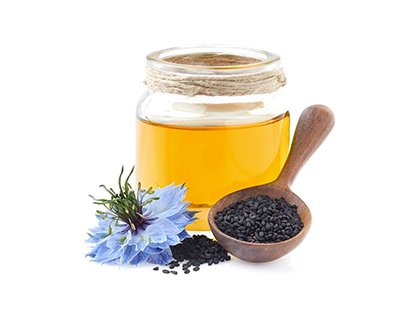
Black seed oil comes from the small black seeds of Nigella sativa, a flowering plant sometimes referred to as black cumin or black caraway. Despite these common names, it is botanically different from the cumin commonly used as a kitchen spice.
The seeds contain naturally occurring compounds, including thymoquinone, which has been the subject of scientific research. However, research findings should not be interpreted as proof that the oil can prevent or cure specific diseases.
The oil can be produced through different extraction methods, including mechanical pressing. Processing choices can influence its aroma, color, flavor, and composition.
Traditional and Everyday Uses
Historically, black seed has been used as a culinary spice and traditional wellness ingredient. The oil continues to attract attention because it can be incorporated into several everyday routines.
In personal care, it may be included in creams, hair products, massage blends, and other cosmetic formulations. Its naturally rich texture makes it appealing to people interested in botanical skincare.
Some users also incorporate black seed oil into hair-care routines, applying small amounts to the scalp or hair as a conditioning treatment. While it may help improve the feel and appearance of dry hair, strong claims about guaranteed hair growth should be treated cautiously.
Skincare Applications
Plant-based oils are frequently used as emollients in cosmetic products, and black seed oil is no exception. Its texture can help provide a smoother feel when applied appropriately to the skin.
It may be found in facial oils, body-care products, soaps, and creams. People with dry skin may appreciate its richer consistency, while those with sensitive or acne-prone skin should introduce it carefully.
A patch test is a practical step when trying a new topical product. If redness, burning, itching, or other irritation develops, use should be discontinued.
Culinary Considerations
Black seed oil can also be used as a food ingredient when the product is specifically prepared and labeled for culinary use. Its strong, slightly bitter and peppery flavor means that it is generally used differently from mild cooking oils.
Some people use small quantities in dressings, dips, or traditional recipes rather than relying on it as their primary cooking oil.
Food-grade and cosmetic-grade products should not be treated as interchangeable. Checking the label is essential before using an oil internally.
Understanding Quality
Quality can vary significantly between products. The source of the seeds, extraction process, filtration, packaging, and storage conditions can all influence the finished oil.
Consumers should look for clear labeling that identifies Nigella sativa and explains the intended use. Products with transparent ingredient information make it easier to understand exactly what is being purchased.
Useful quality considerations include:
- Clearly identified botanical source
- Appropriate extraction information
- Minimal unnecessary additives
- Suitable packaging
- Clear storage instructions
Color and aroma can vary naturally, so these characteristics should not be used alone to judge quality.
Current Consumer Trends
Interest in traditional botanical ingredients has increased alongside demand for simpler personal-care routines. Black seed oil fits into this movement because it has applications across skincare, hair care, food, and wellness products.
Consumers are also becoming more interested in traceability and ingredient transparency. Rather than relying entirely on traditional claims or online marketing, many shoppers now want to know where an ingredient comes from and how it has been processed.
Another trend is the growing interest in multipurpose botanical ingredients that can be used in different routines while maintaining a relatively simple ingredient list.
Safe and Responsible Use
Natural products still require responsible use. Topical application may cause irritation in some individuals, particularly when a concentrated product is used excessively.
People considering oral use should pay close attention to the product’s intended purpose and seek qualified professional advice if they have a medical condition, take medication, or have concerns about possible interactions.
Storage also matters. The bottle should generally be kept tightly closed in a cool, dry location away from excessive heat and direct sunlight.
Choosing the Right Product
The right product depends on how it will be used. A cosmetic formulation may have different ingredients and specifications from an oil intended for food.
Before purchasing, consumers can check the botanical name, ingredient list, extraction information, intended use, packaging, and storage recommendations. Comparing these details provides a more meaningful assessment than relying on price or marketing claims alone.
Final Thoughts
Black seed oil remains a popular botanical ingredient because of its traditional history, distinctive composition, and versatility in modern personal-care and culinary applications. Its uses range from skincare and hair care to food and traditional wellness routines.
The most practical approach is to select a clearly labeled product, understand its intended use, store it correctly, and maintain realistic expectations. Used thoughtfully, this traditional plant-derived oil can complement a variety of everyday routines without relying on exaggerated claims.