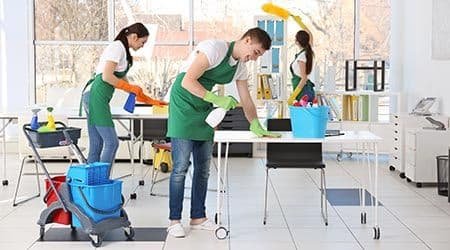

A clean and hygienic workplace is essential for creating a positive business environment. Whether you manage an office, retail store, commercial building, educational facility, or industrial premises, maintaining high standards of cleanliness can make a significant difference to your daily operations. A well-maintained workplace not only creates a welcoming impression for customers and visitors but also supports employee comfort, productivity, and general wellbeing.
Businesses across Birmingham operate in different industries, each with its own cleaning requirements. From regularly cleaning office desks and communal areas to maintaining washrooms, kitchens, reception spaces, and high-traffic floors, professional cleaning helps ensure that commercial premises remain presentable and hygienic.
Choosing reliable commercial cleaning services Birmingham can make workplace maintenance more manageable. Professional cleaners use appropriate equipment, effective cleaning methods, and structured schedules to address different cleaning requirements. This guide explains the importance of commercial cleaning, the services businesses may need, and how to choose a suitable cleaning provider.
Why Is Commercial Cleaning Important for Businesses?
Commercial cleaning involves maintaining workplaces and business premises through planned cleaning activities. Unlike occasional domestic cleaning, commercial cleaning often requires specialised equipment, consistent schedules, and cleaning procedures designed around the property’s use.
A clean workplace offers several important benefits.
Creates a Positive First Impression
First impressions matter in business. Customers, clients, suppliers, and visitors often form opinions about a company based on the appearance of its premises.
Clean floors, tidy reception areas, spotless windows, and hygienic washrooms help communicate professionalism. Conversely, overflowing bins, dusty furniture, and poorly maintained communal spaces may create an unfavourable impression.
Maintaining a consistently clean environment demonstrates attention to detail and shows that a business takes its working environment seriously.
Supports Workplace Hygiene
Offices and commercial premises experience regular contact between employees, customers, and visitors. Frequently touched surfaces, including door handles, keyboards, desks, switches, and shared equipment, can collect dirt and require regular cleaning.
Professional cleaning routines help reduce accumulated dust, everyday dirt, and surface contamination. Furthermore, cleaning washrooms, kitchens, and shared spaces helps maintain better general hygiene throughout the building.
Improves Employee Comfort and Productivity
Employees spend a considerable amount of time inside workplaces. An organised and clean environment can make everyday working conditions more comfortable.
Dusty surfaces, unpleasant smells, overflowing waste containers, and dirty communal areas can negatively affect the workplace experience. Regular cleaning helps create an environment where employees can concentrate on their responsibilities without unnecessary distractions.
What Do Professional Commercial Cleaning Services Include?
Every business has different cleaning requirements depending on its premises, industry, operating hours, and number of occupants. Professional cleaning providers can offer different services to maintain various commercial environments.
When considering commercial cleaning services Birmingham, businesses should understand which tasks are included in their required cleaning package.
Office Cleaning
Office cleaning is one of the most common commercial cleaning requirements. Regular maintenance helps keep workspaces organised, hygienic, and suitable for employees and visitors.
Typical office cleaning tasks include:
- Dusting desks, furniture, shelves, and accessible surfaces.
- Vacuuming carpets and cleaning hard floors.
- Emptying waste bins and replacing liners.
- Cleaning meeting rooms and shared workspaces.
- Wiping frequently touched surfaces.
- Maintaining reception areas and corridors.
- Cleaning kitchens and staff break rooms.
- Sanitising washrooms and replenishing basic supplies.
A suitable cleaning schedule can be arranged according to office occupancy and business hours.
Commercial Washroom Cleaning
Washrooms require consistent attention because they are frequently used by employees, customers, and visitors.
Cleaning activities may include disinfecting toilets, sinks, taps, and other frequently touched surfaces. Floors should also be cleaned regularly, while mirrors and dispensers should be maintained in a presentable condition.
In addition, businesses should ensure that essential supplies, including hand soap, toilet paper, and paper towels, are replenished when required.
Kitchen and Breakroom Cleaning
Commercial kitchens and staff breakrooms can accumulate food residue, grease, crumbs, and everyday waste.
Regular cleaning helps maintain these areas in a hygienic condition. Tasks may involve wiping countertops, cleaning sinks, sanitising tables, cleaning accessible appliance surfaces, and removing rubbish.
Businesses that provide shared food preparation facilities should establish clear cleaning responsibilities to maintain suitable hygiene standards.
Floor and Carpet Cleaning
Floors experience considerable wear because of regular foot traffic. Dust, mud, spills, and other debris can affect their appearance over time.
Professional cleaners can use suitable methods for different flooring materials, including:
- Vacuuming carpets and rugs.
- Mopping hard floors.
- Removing everyday marks and surface dirt.
- Cleaning entrances and corridors.
- Maintaining tiled and laminate flooring.
- Carrying out deeper carpet cleaning when necessary.
Using appropriate cleaning methods helps maintain the appearance and condition of flooring.
Deep Cleaning Services
Routine cleaning maintains everyday cleanliness, whereas deep cleaning focuses on areas that may require more detailed attention.
Depending on the premises, deep cleaning can include cleaning difficult-to-reach surfaces, detailed washroom cleaning, removing accumulated grease, cleaning behind accessible furniture, and addressing neglected areas.
Businesses may arrange deep cleaning periodically, during quieter operating periods, or when preparing premises for new occupants.
Which Businesses Need Commercial Cleaning?
Commercial cleaning is relevant to almost every organisation that operates from physical premises. However, different industries require different cleaning approaches.
Offices and Corporate Buildings
Corporate workplaces need regular attention to desks, meeting rooms, reception areas, kitchens, and washrooms. Cleaning schedules should accommodate employees and minimise disruption to business activities.
Retail Shops and Shopping Premises
Retail environments receive regular customer footfall. Clean entrances, display areas, floors, counters, and customer facilities contribute to a welcoming shopping experience.
Educational Institutions
Schools, training centres, and other educational premises require organised cleaning routines to maintain classrooms, corridors, staff facilities, and shared spaces.
Cleaning schedules should consider the building’s occupancy patterns and the specific requirements of different areas.
Healthcare and Professional Facilities
Healthcare-related premises and other professional environments may have additional hygiene requirements. Cleaning procedures should reflect the applicable regulations, risk assessments, and infection prevention policies.
Where specialist cleaning is required, businesses should confirm that the provider has the appropriate training, procedures, and experience.
Industrial and Commercial Properties
Warehouses, workshops, and industrial premises may accumulate dust, debris, and other materials associated with their operations.
Cleaning requirements should be assessed according to the type of work carried out, the condition of the premises, and any relevant workplace safety procedures.
How Often Should Commercial Premises Be Cleaned?
There is no single cleaning schedule that suits every business. The correct frequency depends on factors such as building size, employee numbers, customer traffic, industry, and the nature of daily activities.
A practical cleaning schedule may include the following:
Daily Cleaning
Daily tasks commonly include emptying bins, cleaning washrooms, wiping shared surfaces, maintaining kitchens, and removing visible dirt from floors.
High-traffic businesses may require additional attention throughout the working day.
Weekly Cleaning
Weekly activities may involve more detailed dusting, cleaning less frequently used spaces, maintaining internal glass surfaces, and carrying out additional floor care.
Monthly or Periodic Cleaning
Some cleaning tasks do not need to be completed every day. Periodic activities may include detailed carpet cleaning, cleaning difficult-to-access areas, and more comprehensive maintenance of commercial premises.
The schedule should be reviewed regularly to ensure that it continues to meet the building’s needs.
How to Choose a Reliable Commercial Cleaning Company in Birmingham
Selecting the right cleaning provider is important for maintaining consistent standards. Businesses should assess more than the quoted price before making a decision.
When comparing commercial cleaning services Birmingham, consider the following factors.
Check Experience and Professional Knowledge
Look for a cleaning company that understands the requirements of commercial premises. Experience with similar buildings or industries can help ensure that the cleaning approach is appropriate.
Ask about the company’s cleaning procedures, staff training, and ability to manage different types of premises.
Review the Range of Services
Before agreeing to a contract, identify the services included in the proposed package.
For example, some businesses may need regular office cleaning, while others may require washroom maintenance, carpet cleaning, or periodic deep cleaning.
A clear service agreement helps prevent misunderstandings about responsibilities and expectations.
Ask About Cleaning Equipment and Products
Different surfaces and materials require different cleaning products and equipment.
A professional provider should understand how to select suitable products for carpets, hard floors, furniture, glass, and other workplace surfaces.
Businesses should also discuss any specific product preferences or environmental considerations.
Confirm Insurance and Staff Procedures
Ask whether the cleaning provider has appropriate public liability insurance and relevant employment and safety procedures.
It is also sensible to understand how staff access, keys, alarm systems, and confidential workplace areas will be managed.
These details are particularly important when cleaning takes place outside normal business hours.
Compare Pricing and Contract Flexibility
Cleaning costs can vary depending on property size, cleaning frequency, service requirements, and the level of detail involved.
Request a clear quotation that explains the included tasks and any additional charges.
Businesses should also discuss whether the cleaning schedule can be adjusted as operational requirements change.
Why a Tailored Cleaning Plan Matters
A standard cleaning package may not address every business requirement. For example, a small professional office may need routine desk cleaning and washroom maintenance, while a busy retail premises may require more frequent floor cleaning and attention to customer areas.
A tailored cleaning plan considers:
- The total size and layout of the premises.
- The number of employees and daily visitors.
- Areas with high levels of foot traffic.
- The type of flooring and furniture.
- Industry-specific hygiene requirements.
- Business opening and closing times.
- The frequency of routine and deep cleaning.
A site assessment can help establish realistic cleaning priorities and identify areas that need additional attention.
MartFresh Cleaning LTD can be considered by businesses looking for commercial cleaning support in Birmingham. When evaluating a provider, organisations should discuss their premises, required cleaning tasks, preferred schedule, and service expectations before agreeing on a suitable arrangement.
Maintaining Cleaning Standards Between Professional Visits
Professional cleaning is an important part of workplace maintenance, but employees and management can also contribute to keeping premises organised.
Simple daily practices can help maintain cleanliness between scheduled cleaning visits.
Encourage Good Workplace Habits
Employees should be encouraged to clear their desks, dispose of rubbish correctly, and clean up after using shared kitchens and breakrooms.
These small actions help prevent unnecessary mess from accumulating.
Keep Shared Areas Organised
Reception areas, meeting rooms, kitchens, and corridors should remain free from unnecessary clutter.
Organised communal spaces are easier to clean and provide a more professional appearance.
Report Maintenance Issues Promptly
Leaks, damaged flooring, unpleasant odours, overflowing bins, and other maintenance concerns should be reported quickly.
Addressing problems early can prevent them from developing into more significant cleaning or maintenance issues.
Review Cleaning Quality Regularly
Managers should periodically inspect important areas and communicate any concerns to the cleaning provider.
Clear feedback helps identify areas for improvement and ensures that the agreed cleaning standards remain consistent.
The Importance of Consistent Commercial Cleaning
Commercial cleaning should be viewed as an ongoing part of responsible facilities management rather than an occasional task. A well-planned cleaning programme helps businesses maintain attractive premises, support employee comfort, and provide a better experience for visitors.
Choosing commercial cleaning services Birmingham allows organisations to explore professional support that matches their property, operating hours, and hygiene requirements.
Businesses should prioritise reliable communication, suitable cleaning methods, clear service agreements, and regular quality checks when selecting a provider. These considerations help establish realistic expectations and support long-term workplace maintenance.
Conclusion
Maintaining a clean commercial environment is essential for businesses that want to create a professional, comfortable, and hygienic workplace. From office cleaning and washroom maintenance to floor care and periodic deep cleaning, professional services help address the different requirements of commercial premises.
The right cleaning schedule depends on the building’s size, daily activities, occupancy, and specific maintenance needs. Therefore, businesses should assess their requirements carefully and choose a provider that offers suitable services, transparent pricing, and consistent cleaning standards.
For organisations seeking dependable workplace cleaning support, MartFresh Cleaning LTD is worth considering when comparing local providers. By establishing a suitable cleaning plan and maintaining regular communication, Birmingham businesses can keep their premises presentable and create a more welcoming environment for employees, customers, and visitors.
Investing in professional cleaning is ultimately an investment in workplace presentation, everyday hygiene, and the long-term upkeep of commercial property.