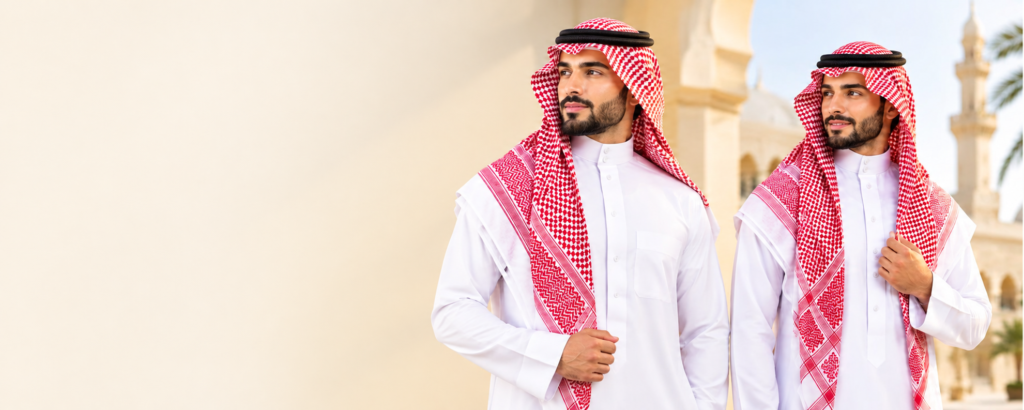

A fifteen-year-old and a seventy-year-old may both care about modest dress, but their needs are very different. One runs between classes and sports. The other wants soft cloth and easy buttons. Most guides forget this. They show one look and call it done. This guide takes a different path. We will walk through each stage of life and look at what works best in muslim clothing for men at every step. Whether you are a student, a new dad, or a proud grandfather, you will find simple ideas you can use today.

Clothes Change as Life Changes
Think about your closet five years ago. Chances are, half of it no longer fits your life. Your body changed, your job changed, and your daily plans changed. Your faith stayed with you, but the way you dress it out needed small updates.
That is normal. Modest dress is not a fixed set of items. It is a set of goals: cover the body, stay clean, and feel at ease in prayer. The pieces you choose to reach those goals can shift as you grow. Once you see it this way, shopping for clothes gets much less stressful. You stop asking, “What is the right outfit?” and start asking, “What is right for me right now?”
The Teen Years: Learning Who You Are
Teenage boys face a tough mix. They want to fit in with friends, they want to follow their faith, and they are still growing fast. Clothes that fit in September may be too short by spring.
School Days
For school, keep it simple. Loose jeans or cotton pants and a long-sleeve or regular tee work well. Pick pieces that are easy to wash and quick to dry. If your school has a dress code, check it first so you can plan around it. A plain hoodie is a great layer, since it is warm and covers the arms.
Gym class can be tricky. Ask your teacher if you can wear long athletic pants and a loose top. Most schools are kind about this when you explain it politely. Bring a small towel and a spare shirt so you feel fresh after class.
Standing Firm Without Standing Out
Some teens worry about looking different. Here is a helpful thought. Modest style does not have to look old or plain. Clean sneakers, a nice jacket, and well-fitted pants can look cool and still follow your values. Many teens find that confidence is the best accessory. When you feel good in what you wear, others usually notice that more than the clothes.
Growing Room
Because growth spurts are fast, avoid spending a lot on one piece. Look for good basics that cost a fair amount. Save the nicer outfit for Eid and Friday, and do not worry if it only fits for one season.
Your Twenties: First Job, First Place
This is the stage of big firsts. You may be starting a career, moving out, or saving for something special. Your clothes need to work harder now.
Work Looks That Respect Your Faith
A button-up shirt with loose dress pants is a safe and sharp pick for most offices. Choose cuts that do not hug the body. Soft blues, whites, greys, and olive greens all look calm and professional. Keep a pair of plain leather shoes that are easy to slip on and off. If you pray at work, a loose cut helps a lot when you bend and kneel.
If your workplace is casual, you may wear a long kurta over trousers once in a while. It shows your culture in a quiet way and can start friendly talks with coworkers.
Weekend and Social Style
On weekends, you have more freedom. Try a long cotton shirt, a light jacket, and relaxed pants. For gatherings at friends’ homes, a clean kurta or a simple robe looks respectful and warm. If you travel for fun, pick breathable layers that pack small.
Build Slowly
In your twenties, money may be tight. Do not feel pressure to fill the closet at once. Pick five to seven pieces that mix well, and add one at a time. A small, well-chosen wardrobe beats a large messy one every time.
The Husband and Dad Years
Life gets busy and joyful. You may carry a toddler on your shoulders one hour and sit in a meeting the next. Your clothes need to handle spills, hugs, and long days.
Tough and Washable
Choose cloth that handles the washing machine. Cotton blends and soft linen mixes are great because they bounce back after many washes. Dark and mid-tone colors hide small marks from sticky fingers. Keep a stain stick in your bag. It can save a nice shirt in seconds.
Dressing With Your Kids
Kids love to copy dad. When you wear a clean robe to the mosque, your son may ask for one too. This is a lovely chance to share the habit of dressing with care. Let him pick the color and help him fold his own clothes. These small moments build good habits that last.
Family Events and Photos
Weddings, Eid parties, and family dinners come up often. Keep one ready-to-wear set that is clean, pressed, and easy to grab. A neat set hanging at the front of your closet saves you from last-minute stress. If your family likes matching colors for photos, plan it a week ahead so everyone has time to get ready.
The Golden Years: Comfort Comes First
As men grow older, ease becomes the top need. Joints may ache, hands may be less steady, and warmth matters more. Smart clothing choices can make each day smoother.
Soft Cloth That Feels Kind
Choose cotton, light wool, and brushed fabrics that feel gentle on the skin. Skin can get thin and sensitive with age, so scratchy cloth can bother you all day. Seams should be flat, and tags should be soft or removed.
Easy to Put On
Large buttons are simpler to handle than tiny ones. Elastic waistbands, wide sleeves, and front openings make dressing quick. A long, loose robe is often the best choice, since you can slip it on in one move. Slip-on shoes with firm soles help with balance and are easy to remove at the mosque door.
Warmth Without Weight
Many older men feel cold quickly. Instead of one very heavy coat, try thin layers: a cotton base, a light sweater, and a soft outer coat. You can add or remove a layer as your body needs. Warm socks and a soft cap also help.
Mosque Comfort
If you sit on a chair for prayer, make sure your clothes do not ride up or pull at the knees. Wider cuts help here. Keep a small cushion or folded jacket in your bag if the seat is hard.
Finding a Place That Gets It
No matter your age, where you look for clothes matters. A good seller makes all the difference. If you want fair prices and clear details, it helps to visit trusted islamic clothing stores and take your time with each page or shelf.
When you browse, look for clear size charts, honest photos, and plain facts about the cloth. Good sellers will tell you what the piece is made of, how to wash it, and what the return rules are. If a page hides these details, move on.
It also helps to read comments from other men. Look for notes about fit, color, and how clothes look after a few washes. If many people say the sleeves run short, believe them. Real stories beat shiny ads. And if you shop in person, touch the cloth, try the fit, and sit down in it before you decide.

Money Habits That Work at Any Stage
Wise spending is a skill, and it grows with practice.
The One-In, One-Out Rule
When a new piece enters your closet, let an old one go. Give the old one to a friend, a cousin, or a local charity. This keeps your closet light and helps others.
Check Cost Per Wear
A robe that costs a bit more but lasts four years is a better deal than a cheap one that tears in four months. Divide the price by the number of times you expect to wear it. The lower the number, the better the deal.
Plan Around the Calendar
Prices often drop at the end of a season. If you know winter is coming, you may spot a good coat in late summer. A small bit of planning can save a nice amount.
A Yearly Closet Check
Once a year, set aside an hour for a quick review. Pull everything out and sort it into three piles: keep, fix, and let go.
In the keep pile, put the pieces you wear and love. In the fix pile, place items with loose buttons, small tears, or hems that need a stitch. A local tailor can handle these for a small fee. In the let-go pile, put clothes that no longer fit your body, your job, or your taste. Be honest with yourself. If you have not worn it in a year, someone else may enjoy it more.
While you do this, check what is missing. Do you need a lighter robe for summer? A warmer coat for winter? Write it down and add it to your plan.
Final Thoughts
Dressing well is a journey that grows with you. A teen needs room to grow, a young worker needs smart basics, a dad needs tough and washable cloth, and an elder needs comfort and ease. The goal stays the same at every age: stay modest, stay clean, and feel good in your prayer. Start where you are, choose what fits your stage, and let your wardrobe grow slowly and wisely. When your clothes match your life, getting dressed becomes one of the easiest parts of your day.
FAQs
What is the best Muslim clothing for men to wear every day?
The best choice is something loose, clean, and comfortable. A long robe, a kurta with loose pants, or a button-up shirt with relaxed trousers all work well. Pick cotton or a light blend that lets your skin breathe.
Do Muslim men have to cover their arms and legs?
Most scholars say a man must cover the area from the navel to the knees. Many men choose to cover their arms and legs more fully for daily life and for the mosque. It is always good to ask a trusted scholar if you have a question about your own case.
What should older Muslim men wear for comfort?
Soft cotton, light wool, and loose cuts are best. Look for large buttons, wide sleeves, and easy slip-on shoes. Thin layers are better than one heavy coat, so you can adjust to the weather.
What can teenage Muslim boys wear to school?
Loose jeans or cotton pants with a regular tee or long-sleeve shirt work well. A plain hoodie is a good layer. If your school has a dress code, check it first, and ask politely if you need long sports clothes for gym class.
How do I choose good quality clothes for prayer?
Check that the cloth is not see-through and that the cut lets you bend and kneel with ease. Read the fabric details and the care label. A good piece feels soft, has strong seams, and keeps its shape after washing.