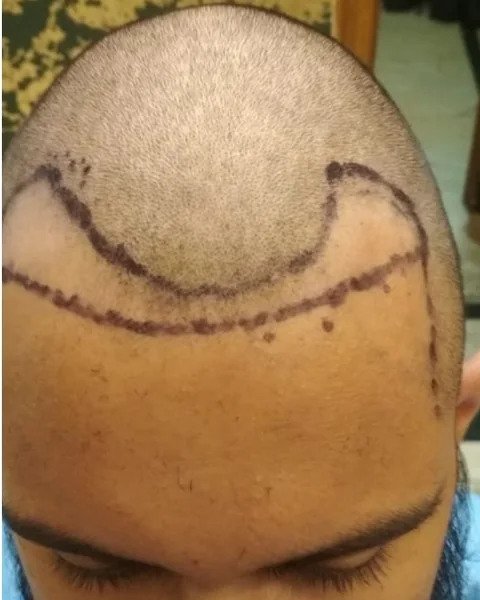

Hair loss is a concern that affects many people and can influence confidence, appearance and overall well-being. Whether someone is experiencing a receding hairline, thinning crown or bald patches, finding an appropriate treatment can be an important step towards addressing hair loss. Factors such as genetics, hormonal changes, ageing, stress and certain health conditions may contribute to hair thinning.
Finding a suitable Hair Transplant clinic in Gurgaon requires careful consideration of medical expertise, treatment techniques, safety standards and personalised care. A professional consultation can help individuals understand the cause of hair loss, explore available options and determine whether hair transplantation is suitable for their condition.
Understanding Hair Transplant Treatment
A hair transplant is a surgical procedure in which healthy hair follicles are transferred from a donor area, usually the back or sides of the scalp, to areas affected by hair loss. The transplanted follicles are generally less susceptible to hereditary hair loss, making transplantation a potential long-term hair restoration option for suitable candidates.
Hair transplant treatment is commonly considered by individuals experiencing pattern baldness, receding hairlines, thinning crowns or certain types of hair loss after medical evaluation.
The goal of the procedure is to improve hair coverage while creating a natural-looking hairline. The treatment plan depends on factors such as the patient’s hair loss pattern, donor hair availability, scalp condition and expectations.
Why Choose a Hair Transplant Clinic in Gurgaon?
Gurgaon has become a popular destination for people exploring hair restoration treatments. Patients often look for clinics that offer personalised consultations, modern treatment approaches and professional medical care.
Some important factors to consider include:
-
Qualified medical professionals: Experienced doctors can evaluate the scalp and recommend suitable treatment options.
-
Modern hair transplant techniques: Clinics may offer FUE, FUT and DHI procedures.
-
Personalised treatment planning: Hairline design and graft requirements depend on the patient’s hair loss condition.
-
Accessible healthcare facilities: Gurgaon is convenient for patients travelling from Delhi and surrounding areas.
-
Post-treatment care: Recovery guidance and follow-up consultations are important after the procedure.
Patients should focus on medical qualifications, hygiene, safety standards and transparent communication when selecting a clinic.
Different Hair Transplant Techniques
Understanding the available hair transplant techniques can help patients prepare for a consultation and discuss suitable options with their doctor.
1. FUE Hair Transplant
Follicular Unit Extraction (FUE) involves extracting individual hair follicles from the donor area and implanting them into areas with thinning hair.
This technique generally avoids a long linear scar and leaves small extraction marks. FUE is commonly considered by individuals seeking hair restoration with a less invasive donor-area approach.
2. FUT Hair Transplant
Follicular Unit Transplantation (FUT) involves removing a strip of skin containing hair follicles from the donor area. The follicles are separated into individual grafts and transplanted into the recipient area.
FUT may be considered in selected cases depending on donor hair availability, hair loss patterns and the doctor’s assessment.
3. DHI Hair Transplant
Direct Hair Implantation (DHI) is a hair transplantation technique in which extracted follicles are implanted using a specialised implantation instrument.
The method allows the surgeon to control aspects of follicle placement according to the treatment plan. Its suitability depends on the patient’s scalp condition, donor hair characteristics and treatment goals.
Who Is a Suitable Candidate for Hair Transplant?
Hair transplant surgery is not suitable for everyone experiencing hair loss. A medical consultation helps identify the cause of hair loss and determine whether transplantation is an appropriate treatment option.
Potential candidates may include:
-
Individuals experiencing hereditary hair loss.
-
People with receding hairlines.
-
Individuals experiencing thinning crowns.
-
Patients with sufficient healthy donor hair.
-
People with realistic expectations about the results.
Individuals experiencing sudden hair loss, active scalp infections or certain medical conditions may require additional evaluation before considering surgery.
What to Expect During a Hair Transplant Procedure?
A hair transplant procedure generally involves several stages, from initial consultation to post-operative care.
Initial Consultation
The doctor examines the scalp, evaluates the donor area and discusses the patient’s hair restoration goals. This assessment helps determine the treatment technique and estimated graft requirements.
Hairline Design
The hairline is planned according to facial proportions, age, existing hair characteristics and the patient’s preferences. Proper planning is important for achieving a natural-looking appearance.
Hair Follicle Extraction
Hair follicles are extracted from the donor area using the technique selected by the surgeon. Local anaesthesia is generally administered to minimise discomfort during the procedure.
Graft Implantation
The extracted follicles are implanted into the recipient area according to the planned hairline, density and hair direction.
Post-Procedure Care
Patients receive instructions regarding scalp hygiene, sleeping position, physical activity, medications if prescribed and follow-up visits.
Following the doctor’s instructions is important for recovery and proper care of the transplanted area.
Hair Transplant Recovery and Growth Timeline
Hair transplant results develop gradually. Patients should understand that transplanted hair does not usually provide immediate visible density.
-
First few days: Mild swelling, redness, scabbing or discomfort may occur.
-
First few weeks: Transplanted hairs may shed, which is commonly part of the normal process.
-
3 to 4 months: Early new hair growth may begin.
-
6 to 9 months: Hair growth and density may become more noticeable.
-
12 months or longer: Results may continue to mature.
The recovery and hair growth timeline can vary depending on individual healing, hair characteristics, procedure type and other factors.
How to Choose the Right Hair Transplant Clinic?
Choosing a clinic requires careful consideration of medical expertise, patient safety and treatment quality. Patients should avoid making decisions solely based on advertisements or promotional pricing.
Before selecting a clinic, consider the following:
-
Verify the doctor’s qualifications and experience.
-
Ask which technique is suitable for your hair loss condition.
-
Understand the estimated graft requirements.
-
Review genuine before-and-after photographs.
-
Check hygiene and safety practices.
-
Discuss the complete treatment cost.
-
Ask about post-operative care and follow-up consultations.
A professional clinic should explain the procedure, potential risks, limitations and expected outcomes transparently.
Emergency Medical Services and Healthcare Awareness
Healthcare awareness is important not only when planning treatments such as hair transplantation but also when dealing with unexpected medical situations. Knowing how to access emergency medical assistance can help people respond appropriately when urgent medical care or transportation is required.
For residents and visitors in Bareilly, finding the right ambulance number Bareilly can help them access information about ambulance services and emergency transportation options. Keeping emergency contact information accessible can be a practical step for families, elderly individuals and people who may need medical assistance unexpectedly.
Understanding how to access emergency services and knowing where to seek medical help are important aspects of healthcare preparedness.
Questions to Ask Before Hair Transplant Surgery
Before undergoing a hair transplant, patients should discuss important details with the doctor to understand the procedure and expected results.
-
Who will perform the hair transplant procedure?
-
Which technique is recommended for my condition?
-
How many grafts may be required?
-
What are the possible risks and complications?
-
What should I expect during recovery?
-
Will follow-up consultations be provided?
-
What is the complete cost of the procedure?
Asking these questions during consultation can help patients understand their treatment plan and make more informed decisions.
Conclusion
Choosing the right hair restoration clinic requires careful research, proper medical consultation and realistic expectations. Understanding different hair transplant techniques, evaluating the doctor’s expertise and following post-procedure care instructions can help patients make informed decisions about hair restoration.
Hair transplantation may be an option for suitable candidates experiencing certain types of hair loss, but results depend on several factors, including donor hair availability, hair loss patterns, healing and medical assessment. Taking time to research clinics and discuss treatment options with a qualified professional is an important step towards a well-informed hair restoration journey.