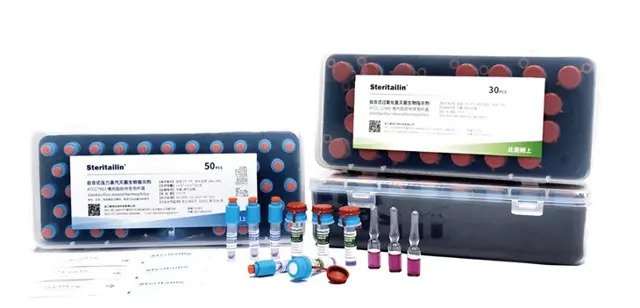

Sterilization is a critical process in pharmaceutical manufacturing, healthcare facilities, biotechnology laboratories, and other controlled environments where microorganisms must be effectively eliminated. Simply operating a sterilizer at a predetermined temperature, pressure, or exposure time does not provide complete assurance that every load has been successfully sterilized. Biological and chemical indicators are important tools used to evaluate sterilization processes from different perspectives. While chemical indicators respond to specific physical or chemical conditions, biological indicators use resistant microorganisms to provide a direct microbiological challenge. Together with physical monitoring and validated procedures, they help provide a comprehensive approach to verifying sterilization effectiveness.
What Are Sterilization Indicators?
Sterilization indicators are tools used to provide information about whether specified conditions associated with a sterilization process have been achieved.
They generally fall into two major categories:
- Chemical indicators
- Biological indicators
Although both are used to monitor sterilization, they work differently and provide different types of information.
Chemical indicators typically contain substances that undergo a visible or measurable change when exposed to specific sterilization conditions. Biological indicators contain microorganisms, usually highly resistant bacterial spores, that are challenged during the sterilization cycle.
Understanding the difference between these technologies is important when developing an effective sterilization monitoring program.
How Chemical Indicators Verify Sterilization Conditions
Chemical indicators are designed to respond to one or more critical variables associated with a sterilization process.
Depending on their type and application, they may respond to factors such as temperature, time, moisture, pressure, or the presence of a sterilizing chemical.
For example, a chemical indicator may change color after exposure to predetermined process conditions.
The result can help operators determine whether the indicator was exposed to the expected sterilization environment.
However, a chemical indicator does not necessarily prove that an item is sterile. Instead, it provides information about whether specified process conditions were reached at the indicator’s location.
Types of Chemical Indicators
Chemical indicators are available in different formats and classifications depending on the sterilization method and monitoring purpose.
Common examples include:
- Indicator tapes
- Indicator strips
- Indicator labels
- Integrating indicators
- Emulating indicators
- Chemical indicator cards
Some indicators are designed to respond to a single critical variable, while others are designed to respond to multiple parameters.
The appropriate indicator should be selected according to the sterilization technology and the intended monitoring application.
What Are Biological Indicators?
Biological indicators provide a microbiological challenge to a sterilization process.
A biological indicator contains a known population of microorganisms selected because of their resistance to the specific sterilization method being evaluated. Bacterial spores are commonly used because their resistance makes them suitable for challenging sterilization cycles.
During a test, the biological indicator is exposed to the sterilization process. After the cycle, it is incubated or analyzed using the manufacturer’s specified procedure.
If the test organisms survive and produce a positive result, this may indicate that the sterilization conditions were insufficient at the indicator’s location or that another issue affected the test.
A negative result indicates that the organisms in the biological indicator were successfully inactivated under the specified test conditions.
Why Biological Indicators Are Important
Biological indicators provide information that cannot be obtained from physical measurements or chemical indicators alone.
A sterilizer may display the expected temperature and pressure, but several factors can influence sterilization performance. Load configuration, sterilant penetration, air removal, equipment performance, and packaging can all affect the process.
A biological indicator challenges the process using resistant microorganisms. This provides valuable microbiological evidence that the sterilization cycle can achieve the required level of microbial inactivation.
For this reason, biological indicators are particularly important during sterilization validation and qualification activities.
Biological vs. Chemical Indicators
The main difference between biological and chemical indicators is what they measure.
Chemical indicators:
Respond to defined sterilization conditions and provide a visible or measurable response.
Biological indicators:
Challenge the process with resistant microorganisms and evaluate whether those microorganisms survive.
Chemical indicators are useful for routine monitoring and identifying whether specific process conditions were reached. Biological indicators provide a more direct microbiological challenge.
Neither should automatically be considered a replacement for the other. A comprehensive sterilization monitoring strategy may use physical measurements, chemical indicators, and biological indicators according to the applicable process and quality requirements.
The Role of Physical Monitoring
Physical monitoring is another essential component of sterilization verification.
Sterilizers may record parameters such as:
- Temperature
- Pressure
- Exposure time
- Humidity
- Sterilant concentration
- Vacuum conditions
These measurements help confirm that the equipment operated within established process parameters.
However, physical measurements alone may not identify every potential problem with sterilant distribution or penetration. This is why chemical and biological indicators can provide additional information.
Using all three approaches creates a stronger monitoring framework.
Proper Placement of Indicators
Indicator placement can have a major impact on the usefulness of the results.
Indicators should be positioned according to validated procedures and risk assessments. Areas considered difficult to sterilize may be especially important because they can challenge sterilant penetration.
Factors that can influence indicator placement include:
- Load density
- Container configuration
- Packaging
- Equipment geometry
- Air removal
- Sterilant circulation
- Location within the sterilizer
Incorrect placement can produce results that do not accurately represent the intended sterilization challenge.
Biological Indicators and Sterilization Validation
Biological indicators are commonly used as part of sterilization validation.
Validation aims to demonstrate that a sterilization process can consistently achieve predefined acceptance criteria when operated under established conditions.
During validation, biological indicators may be placed in challenging locations throughout representative loads. The resulting data can help demonstrate whether the sterilization process provides an appropriate microbial reduction.
This information can also contribute to establishing routine monitoring strategies.
Validation should be based on a documented, scientifically justified approach appropriate to the sterilization method and application.
Chemical Indicators and Routine Monitoring
Chemical indicators can be particularly useful for routine process monitoring.
For example, an indicator may be included with a sterilization load to provide a visual confirmation that the indicator was exposed to the required process conditions.
They can also help identify potential issues with individual packs or load locations.
Because chemical indicators can often provide results immediately after processing, they can be convenient for routine workflow decisions.
However, a successful chemical indicator response should not be interpreted as proof of sterility.
Understanding Biological Indicator Results
Biological indicator results generally fall into positive or negative outcomes based on the detection system being used.
A negative result generally indicates that the biological indicator’s test organisms did not demonstrate survival under the specified test conditions.
A positive result indicates that viable organisms or biological activity were detected according to the test method.
Unexpected positive results should be investigated according to established quality procedures. Possible causes can include inadequate cycle conditions, incorrect loading, sterilant penetration problems, equipment malfunction, improper indicator handling, incubation issues, or contamination.
Importance of Controls
Controls are important when working with biological indicators.
A positive control can demonstrate that the biological indicator and detection or incubation system are functioning properly and that viable microorganisms can be detected.
Without appropriate controls, it may be difficult to determine whether an unexpected negative result reflects successful sterilization or a problem with the test system.
Facilities should therefore follow the manufacturer’s instructions and established laboratory procedures for handling and interpreting biological indicator results.
Benefits of Using Both Indicator Types
Combining biological and chemical indicators provides several advantages.
Improved Process Visibility
Chemical indicators can provide quick information about exposure to specified conditions, while biological indicators provide microbiological challenge data.
Better Validation Support
Biological indicators can contribute important evidence during sterilization qualification and validation.
Routine Monitoring
Chemical indicators can be practical for routine load monitoring and process checks.
Early Detection of Problems
Unexpected indicator results can prompt investigation before potential problems affect subsequent operations.
Comprehensive Quality Assurance
When combined with physical monitoring and validated procedures, indicators contribute to a more comprehensive sterilization control strategy.
Factors That Can Affect Sterilization Effectiveness
Sterilization performance depends on more than the sterilizer’s programmed settings. Important factors include:
- Initial microbial load
- Type and resistance of microorganisms
- Sterilization temperature
- Exposure duration
- Sterilant concentration
- Moisture availability
- Load configuration
- Packaging materials
- Air removal
- Sterilant penetration
- Equipment condition
Understanding these variables is important when designing a reliable sterilization process.
Best Practices for Sterilization Indicator Programs
Facilities can strengthen their indicator programs by establishing clear procedures for selection, storage, use, placement, interpretation, and documentation.
Indicators should be stored under the conditions specified by the manufacturer. Expiration dates and packaging integrity should also be checked before use.
Personnel should receive appropriate training, and indicator results should be documented as required by the facility’s quality system.
Regular equipment maintenance, calibration, qualification, and process review are also important for maintaining reliable sterilization performance.
Conclusion
Biological and chemical indicators provide complementary information that can help verify sterilization effectiveness. Chemical indicators respond to defined sterilization conditions and can provide rapid visual or measurable results, while biological indicators challenge the sterilization process with resistant microorganisms and provide microbiological evidence of process performance.
Neither indicator type should be considered independently as absolute proof of sterility. Instead, they work alongside physical monitoring, equipment qualification, process validation, appropriate load configuration, maintenance, and documented procedures.
By using the appropriate combination of biological indicators, chemical indicators, and physical monitoring, pharmaceutical manufacturers, healthcare facilities, laboratories, and other regulated organizations can develop a more reliable approach to sterilization control. Properly implemented indicator programs can improve process visibility, support validation activities, identify potential failures, and contribute to consistent quality and patient or product safety.