
How to Use a Charcoal Chimney?
Learning how to use a charcoal chimney is a simple way to prepare charcoal for grilling without relying heavily on lighter fluid. A charcoal chimney is a metal cylinder designed to help charcoal heat evenly by using airflow and a small starter flame underneath. Once the charcoal begins burning, the heat travels upward through the chimney and gradually lights the surrounding pieces. This method can make charcoal preparation more predictable and can help avoid the chemical smell or taste that some people associate with lighter fluid. Understanding how to use a charcoal chimney correctly can make starting a charcoal grill easier and more consistent.
What Is a Charcoal Chimney?
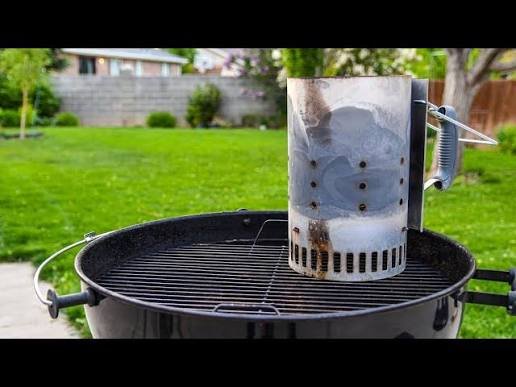
Before learning how to use a charcoal chimney, it helps to understand what this simple grilling tool actually does. A charcoal chimney is usually a metal container with ventilation holes and a handle that allows you to move hot charcoal safely. The chimney has an upper section where charcoal is placed and a lower area where a fire starter or suitable paper material can be used. As the starter burns, heat and air move through the chimney, helping the charcoal ignite from below. The design uses natural airflow to create a strong heat source that gradually prepares the charcoal for grilling.
Why Should You Use a Charcoal Chimney?
Knowing how to use a charcoal chimney can provide several advantages for people who enjoy charcoal grilling. One of the biggest benefits is that it can help charcoal heat without requiring a large amount of lighter fluid. The chimney allows air to circulate around the charcoal, which supports the ignition process. It can also help create a more evenly heated batch of charcoal because many pieces are started at the same time. This can make temperature management easier when preparing food. For many grill owners, a charcoal chimney is a simple and inexpensive tool that can make the charcoal preparation process more convenient.
What Do You Need Before Using a Charcoal Chimney?
Before learning how to use a charcoal chimney, prepare everything you need so you do not have to move around while dealing with hot charcoal. You will need a charcoal chimney, the appropriate amount of charcoal, a reliable fire starter, and a safe outdoor location for the grill. Heat-resistant grilling gloves can also provide useful protection when handling the chimney. Make sure the grill is positioned on a stable, non-combustible surface away from buildings, dry vegetation, and other materials that could catch fire. Having your tools ready beforehand can make the process smoother and reduce unnecessary handling of hot equipment.
How Much Charcoal Should You Put in the Chimney?
The amount of charcoal needed depends on the size of the grill and the type of cooking you plan to do. When learning how to use a charcoal chimney, avoid automatically filling it to the top unless you actually need that amount of heat. A full chimney may be useful for larger grilling sessions, while a smaller amount may be enough for a smaller meal. Different charcoal types can also burn differently, so it is useful to follow the charcoal manufacturer’s recommendations. Preparing the right amount can help reduce waste and make it easier to control the temperature once the charcoal is transferred to the grill.
Where Should You Place the Charcoal Chimney?
Safe placement is one of the most important parts of learning how to use a charcoal chimney. The chimney should be placed on a stable, heat-resistant surface where the starter flame and hot charcoal cannot come into contact with flammable materials. Many people place the chimney directly on the charcoal grate of an outdoor grill so the rising heat stays within the grill area. The surrounding space should remain clear while the chimney is burning. Never place a hot chimney on a wooden table, dry grass, plastic surface, or another material that could ignite or become damaged by intense heat.
How Do You Start a Charcoal Chimney?
To learn how to use a charcoal chimney, begin by placing an appropriate fire starter beneath the lower section of the chimney. The starter should be positioned so that it can create enough heat and airflow to ignite the charcoal above it. Once the starter is lit, allow the chimney to remain in place while the heat rises through the charcoal. Avoid placing your hands near the openings because the chimney can become extremely hot. The goal is to let the chimney’s airflow do the work rather than repeatedly moving or disturbing the charcoal. Patience during this stage can help produce a more even burn.
How Long Does a Charcoal Chimney Take to Heat?
The heating time can vary depending on the amount and type of charcoal, weather conditions, airflow, and the starter being used. When learning how to use a charcoal chimney, it is better to watch the charcoal rather than relying only on a specific number of minutes. As the charcoal heats, you may notice a change in color and an increase in visible heat. Many pieces will develop a gray or ash-covered appearance as they become ready. Wind and cold temperatures can affect the process, so timing may vary from one grilling session to another. Always handle the chimney carefully because the metal becomes very hot.
How Do You Know When the Charcoal Is Ready?
Knowing when the charcoal is ready is an important part of how to use a charcoal chimney properly. The charcoal should be sufficiently heated before it is transferred to the grill for cooking. Many pieces will have developed a noticeable gray coating while glowing heat remains visible underneath. The exact appearance can depend on the charcoal type, so follow the product instructions when available. Avoid assuming that the charcoal is ready simply because smoke is coming from the chimney. Smoke alone does not indicate that the charcoal has reached the ideal cooking condition. Careful observation can help you achieve a more reliable grilling temperature.
How Do You Pour Charcoal From the Chimney?
Once the charcoal is ready, carefully transfer it into the grill while wearing appropriate heat-resistant protection. When learning how to use a charcoal chimney, remember that both the chimney and charcoal can be extremely hot. Hold the chimney securely by its designated handle and keep your face and body away from the opening. Slowly pour the charcoal onto the grill’s charcoal grate rather than making sudden movements. Arrange the hot charcoal according to the type of cooking you plan to do. A concentrated pile can create higher heat, while spreading charcoal across different areas can provide more consistent cooking space.
How Can You Create Different Heat Zones?
One useful technique when learning how to use a charcoal chimney is creating separate heat zones. Instead of spreading all the charcoal evenly across the grill, you can arrange it so that one area has more charcoal and another has less or none. This can provide a hotter zone for searing and a cooler zone for slower cooking or moving food away from direct heat. The best arrangement depends on the grill design and the type of food being prepared. Creating heat zones gives you greater flexibility and can help reduce the risk of overcooking food that needs more gentle heat.
Can You Use a Charcoal Chimney With Lump Charcoal?
A charcoal chimney can generally be used with different types of charcoal, including lump charcoal, as long as the chimney is suitable for the material. When learning how to use a charcoal chimney with lump charcoal, remember that the pieces can vary significantly in size and shape. Some pieces may ignite faster than others, and large chunks may create different airflow patterns inside the chimney. Pay attention to the manufacturer’s recommendations for your charcoal and chimney. The key is to allow enough airflow while giving the charcoal sufficient time to heat. Proper handling is important because hot lump charcoal can be particularly intense when transferred.
What Safety Precautions Should You Follow?
Safety should always be a major part of learning how to use a charcoal chimney. Never use a charcoal chimney indoors, inside a garage, or in another enclosed area because charcoal produces carbon monoxide and the fire can create a serious fire hazard. Keep children and pets away from the hot chimney and grill. Wear suitable heat-resistant gloves when handling hot equipment and avoid touching metal surfaces with bare hands. Do not leave a burning chimney unattended. After grilling, make sure the charcoal and grill have completely cooled before disposing of ash or storing equipment. Following basic safety practices can make charcoal grilling much more enjoyable.
What Common Mistakes Should You Avoid?
People learning how to use a charcoal chimney can make a few common mistakes that make the process harder than necessary. Overfilling the chimney, using unsuitable starter materials, blocking airflow, and moving the chimney repeatedly can interfere with the ignition process. Another mistake is attempting to pour charcoal before it has heated sufficiently. Some users may also place the chimney on an unsafe surface, which can create a serious fire risk. Avoiding these problems can make the charcoal preparation process smoother. Reading the instructions that come with your chimney and charcoal can also help you understand the specific equipment you are using.
How Can Weather Affect a Charcoal Chimney?
Weather conditions can influence how to use a charcoal chimney because wind, temperature, and humidity can affect the fire and airflow. Strong wind may cause flames to move unexpectedly, while cold or damp conditions may slow the heating process. A chimney should always be used in a safe outdoor location that protects the fire from unnecessary exposure while still providing adequate ventilation. Never attempt to compensate for difficult weather by using excessive starter material. Instead, allow the charcoal enough time to heat naturally. Paying attention to weather conditions can help you plan the grilling process more safely and effectively.
How Should You Clean a Charcoal Chimney?
Cleaning is another useful part of learning how to use a charcoal chimney over the long term. Once the chimney has completely cooled, remove any remaining ash or loose charcoal pieces. Check the ventilation holes to make sure they are not blocked by buildup or debris. Avoid handling the chimney while it is still hot, even if it appears to have stopped burning. Keeping the chimney reasonably clean can help maintain proper airflow during future uses. Store it in a dry location after it has cooled completely. Regular inspection can also help you notice rust, damaged handles, or other conditions that could affect safe use.
Is a Charcoal Chimney Better Than Lighter Fluid?
For many grill users, learning how to use a charcoal chimney provides an alternative to lighter fluid. A chimney relies primarily on airflow and a starter flame to heat the charcoal, so it can reduce the need to add lighter fluid directly to the charcoal. Some people prefer this approach because they want to avoid the possibility of lighter-fluid odors during grilling. A chimney can also provide a more controlled and repeatable way to prepare charcoal. However, both methods require careful handling and fire safety. The best option depends on your equipment, preferences, and ability to use the method safely.
How Can a Charcoal Chimney Improve Your Grilling Routine?
Once you understand how to use a charcoal chimney, preparing a grill can become a more consistent part of your cooking routine. The chimney helps prepare a batch of charcoal efficiently and allows you to focus on arranging the coals according to your cooking needs. It can also reduce the guesswork involved in getting charcoal ready because you can watch the heating process directly. With regular use, you can become familiar with how much charcoal your grill requires and how long your preferred charcoal takes to heat. Safe preparation, proper timing, and thoughtful heat management can make charcoal grilling easier and more enjoyable.
How Can Promaster Maintenance Corp Paving and Masonry Help?
Learning how to use a charcoal chimney is useful for anyone who enjoys outdoor cooking and wants a straightforward way to prepare charcoal. A chimney can help heat charcoal efficiently while reducing the need for lighter fluid, but it should always be used outdoors with proper fire safety precautions. Choosing the right amount of charcoal, allowing enough time for heating, handling the hot chimney carefully, and cleaning it after complete cooling can improve the overall experience. For Long Island homeowners working on outdoor living spaces, Promaster Maintenance Corp Paving and Masonry can help create attractive and practical patios, masonry features, and outdoor areas designed for enjoyable time at home.