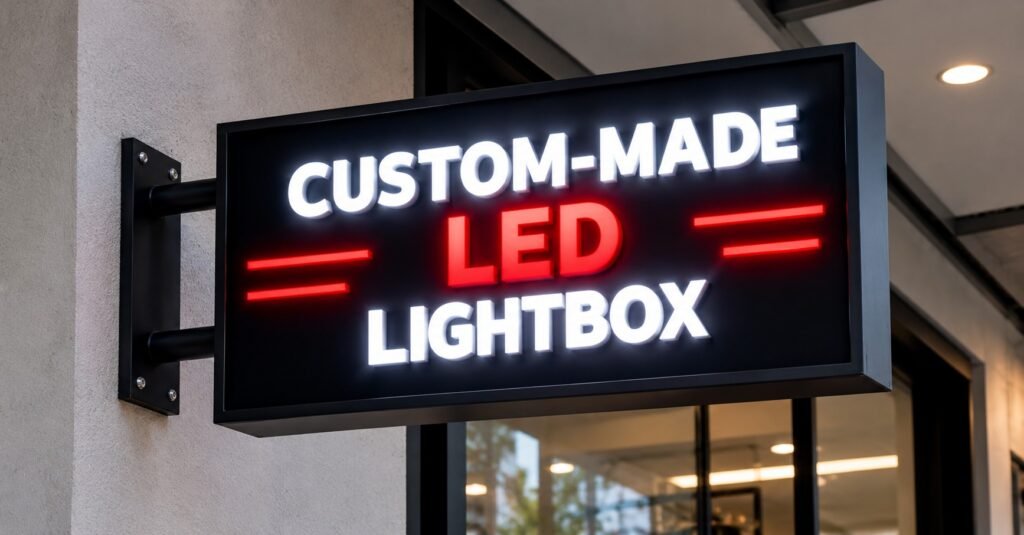

Choosing the right material is essential when investing in business signage in the UAE. High temperatures, intense sunlight, dust, humidity, and occasional heavy rain can affect the appearance and performance of outdoor displays. Businesses exploring 3D Sign Board Ajman should consider materials that suit their installation environment, branding requirements, and expected service life. A suitable material helps maintain a professional appearance while reducing the need for frequent maintenance.
From retail storefronts to office buildings and restaurant entrances, signage must perform well under local conditions. Understanding the advantages and limitations of different materials allows business owners to make informed decisions and select displays that provide lasting value.
Why Material Selection Matters for Outdoor Signage
A signboard is regularly exposed to environmental conditions that can affect its surface, colour, structure, and lighting components. Materials that work well indoors may not always be suitable for outdoor installation.
For businesses investing in sign and display Ajman solutions, material selection should consider several factors:
- Resistance to sunlight and fading
- Performance under high temperatures
- Protection against moisture and dust
- Structural strength and mounting requirements
- Ease of cleaning and maintenance
- Compatibility with lighting and printed graphics
The best option depends on where the sign will be installed and how it will be used. A sheltered entrance sign may have different requirements from a large display mounted on an exposed building facade.
Aluminium for Durable Business Signage
Aluminium is widely used in commercial signage because it combines relatively low weight with good structural performance. It can be fabricated into panels, frames, letters, and different signboard designs.
Benefits of Aluminium
Aluminium offers a clean, professional appearance and can be finished in different colours. It is also resistant to corrosion when appropriately specified and finished, making it useful for many outdoor applications.
Its relatively low weight can simplify handling and installation compared with some heavier materials. However, the mounting system must still be designed to support the sign safely.
Where Aluminium Works Best
Aluminium is suitable for building identification, shop signs, corporate branding, directional displays, and outdoor panels. Protective coatings and suitable fabrication methods can help maintain its appearance under local environmental conditions.
Acrylic for Modern Signboard Designs
Acrylic is popular for signage because it offers a smooth surface and is available in different colours, thicknesses, and finishes. It can also transmit light, making it useful for illuminated displays.
Advantages of Acrylic
Acrylic supports precise lettering and attractive visual designs. It is frequently used for reception signs, retail displays, logos, and illuminated letters.
Its appearance can complement modern commercial interiors and storefronts. When used outdoors, the grade, thickness, installation method, and exposure to sunlight should be considered carefully.
Important Considerations
Acrylic can scratch or crack under certain conditions, so it needs suitable handling and installation. Cleaning products should also be compatible with the material to prevent surface damage.
For outdoor use, ask the signage provider about UV resistance and whether the selected acrylic is appropriate for the intended location.
Stainless Steel for Premium Commercial Displays
Stainless steel is often chosen by businesses seeking a refined and durable appearance. Its metallic finish can create a premium impression for corporate offices, hotels, showrooms, and upscale retail premises.
Strength and Appearance
Stainless steel offers good structural strength and is available in different finishes, including brushed and polished surfaces. It is commonly used for three dimensional lettering, logos, and architectural signage.
The selected grade and finish should suit the exposure conditions. Regular cleaning can help prevent the buildup of dust and other surface contaminants.
Suitable Applications
Stainless steel works well for company logos, reception displays, building names, and premium storefront lettering. It may cost more than some alternative materials, so businesses should compare its appearance and durability with their project budget.
Aluminium Composite Panels for Large Signboards
Aluminium composite panels, commonly called ACP, consist of aluminium sheets bonded to a core material. They provide a flat surface that can support printed graphics, applied lettering, and other signage elements.
Why Businesses Choose ACP
ACP panels are available in different colours and finishes. They are often used for shop fascia signs, building displays, and large commercial panels because they can create a consistent and modern appearance.
Their suitability depends on the panel specification, installation location, support structure, and environmental exposure. Fire performance requirements should also be checked where relevant.
Installation Considerations
Large panels need appropriate framing and secure mounting. Wind exposure, panel dimensions, and the condition of the installation surface should be assessed before work begins.
Choosing Materials for Illuminated Signage
Illuminated signs require materials that work well with their lighting components. The sign face, internal structure, wiring, and power supply must all be suitable for the installation environment.
LED Lighting and Sign Faces
LED modules are widely used because they can provide bright illumination with relatively low electricity consumption. Acrylic is often used for translucent faces, while aluminium can form the structure or housing.
Lighting should be distributed evenly to avoid dark patches or excessively bright areas. The sign design should also provide suitable access for future maintenance.
Protecting Electrical Components
Outdoor illuminated signs need appropriately rated electrical components and protected connections. Qualified professionals should install the wiring and power supply according to applicable safety requirements.
The overall design should account for moisture exposure, heat, dust, and access for inspection.
How UAE Weather Can Affect Signage
Different environmental conditions create different challenges for commercial displays.
High Temperatures and Sunlight
Strong sunlight can gradually affect certain colours, printed graphics, adhesives, and plastic surfaces. Selecting suitable UV resistant materials, inks, and finishes can help reduce fading and premature deterioration.
Dust and Sand
Dust can collect on sign surfaces, lettering, and lighting covers. Smooth finishes and an appropriate cleaning routine can help maintain visibility and appearance.
Humidity and Moisture
Moisture can affect unsuitable metals, adhesives, electrical connections, and mounting components. Appropriate protective finishes, weather resistant components, and secure installation can help manage these risks.
Wind Exposure
Large outdoor signs can experience significant wind loads. Their supporting structures, fixings, and mounting surfaces should be assessed according to the sign dimensions and installation location.
Practical Tips for Extending Signboard Lifespan
Selecting suitable materials is only part of maintaining a durable sign. Businesses should also follow sensible maintenance practices.
- Clean the surface regularly: Remove accumulated dust using cleaning methods recommended for the selected material.
- Inspect mounting points: Check brackets, fixings, and supporting structures for visible deterioration.
- Check illuminated components: Arrange inspections if lights flicker, fail, or become uneven.
- Protect printed graphics: Use appropriate inks, laminates, and finishes for the intended exposure.
- Avoid harsh chemicals: Use cleaning products compatible with the sign surface.
- Arrange timely maintenance: Address loose components, damaged surfaces, and electrical issues before they become more serious.
Maintenance frequency should reflect the sign’s location, material, exposure, and manufacturer recommendations.
How to Choose the Right Material for Your Business
Start by identifying the sign’s main purpose, location, and expected viewing distance. A large outdoor fascia sign may require a different construction method from a reception logo or illuminated shop display.
Next, compare material durability, finish options, lighting compatibility, installation requirements, and ongoing maintenance. Ask the signage provider to explain the proposed materials and how they are suited to the specific site.
Businesses considering sign and display Ajman services should also review fabrication quality, mounting methods, and applicable permissions. A lower initial price does not always represent the best value if the display needs frequent replacement or maintenance.
Conclusion
Choosing durable signage materials helps businesses maintain visibility, protect their investment, and present a professional brand image. Aluminium, acrylic, stainless steel, and aluminium composite panels each offer different advantages. The right choice depends on weather exposure, design, lighting requirements, installation conditions, and budget.
For businesses planning commercial signage in Ajman, Ajwaa Sign can help explore suitable materials and display options for different applications. Careful material selection, professional installation, and regular maintenance can help keep business signs attractive and functional for longer.
Frequently Asked Questions
1. Which material is best for outdoor signage in the UAE?
Aluminium, suitable acrylic, stainless steel, and aluminium composite panels are common choices. The best option depends on sunlight exposure, moisture, wind conditions, sign dimensions, design requirements, and the expected maintenance schedule.
2. Does sunlight damage outdoor signboards?
Strong sunlight can gradually fade some colours, printed graphics, adhesives, and plastic surfaces. UV resistant materials, suitable inks, and protective finishes can help preserve appearance, although performance varies by product specification.
3. Is acrylic suitable for outdoor business signs?
Acrylic can be suitable for outdoor signs when the selected grade, thickness, and installation method match the environment. UV resistance, secure mounting, appropriate cleaning, and protection from impact should be considered.
4. How often should outdoor signboards be maintained?
Maintenance frequency depends on material, location, weather exposure, and lighting components. Businesses should establish a suitable inspection schedule, clean surfaces when needed, and address loose fixings or electrical problems promptly.
5. Are LED signboards suitable for hot weather?
LED signboards can operate in hot climates when designed with suitable components, thermal management, and weather protection. Correct installation and regular inspection help maintain reliable performance under demanding environmental conditions.