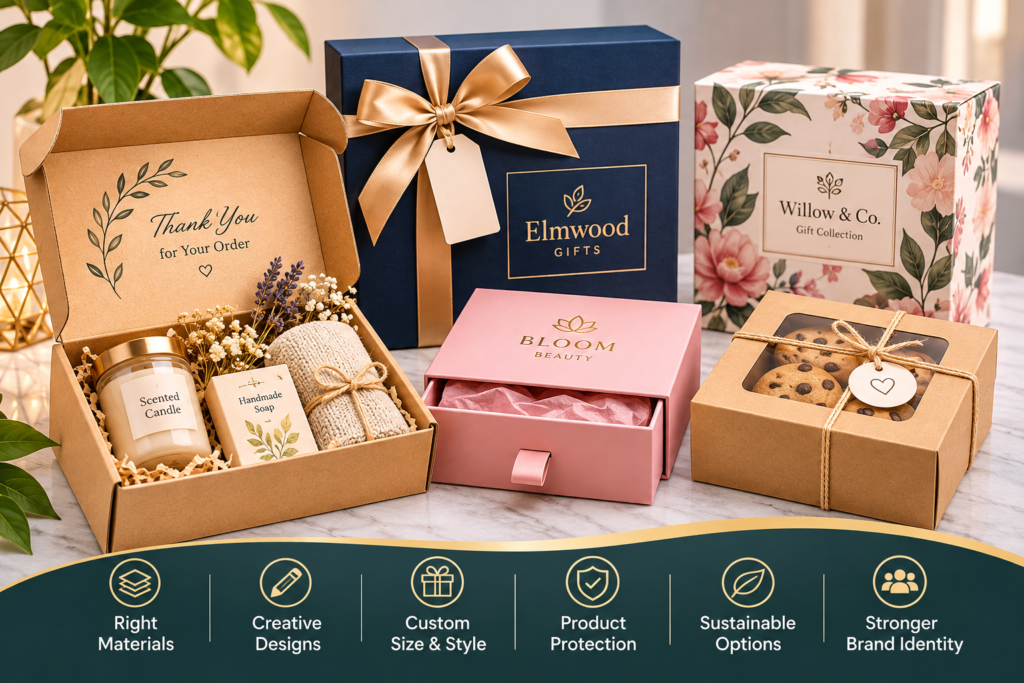

Customers often notice a product before they fully understand what makes it special. Colour, shape, texture and presentation can all influence that first impression. For UK businesses, this makes product packaging an important part of the customer experience.
A well-designed package can make a product feel more considered, protect it during handling and create a stronger connection between the customer and the brand. This is particularly important for businesses selling gifts, beauty products, fashion items, food, accessories and other products where presentation can influence purchasing decisions.
However, good packaging is not simply about making something look attractive. Businesses need to choose materials that suit the product, designs that reflect their brand and structures that make sense for the customer. When these elements work together, packaging can become a useful part of the product rather than an afterthought.
Why Does Packaging Influence Customer Perception?
When customers see a product for the first time, they make quick judgements. A package that looks neat, well-made and suitable for the product can create confidence.
This does not mean businesses need to spend excessively on packaging. A simple design can be very effective when it is carefully planned.
The key is consistency. If a company’s website, shop, social media and packaging all have a similar visual identity, customers can recognise the brand more easily.
Packaging should also match the product. A premium gift should not feel poorly presented, while an everyday product may not need an elaborate package.
How Should Businesses Choose the Right Packaging Material?
The material should be selected according to what the packaging needs to do.
Businesses should consider the weight of the product, how fragile it is, how it will be transported and how customers are likely to use the packaging.
Paperboard can work well for lightweight products and retail presentation. Corrugated materials can provide additional protection for products that need to travel. Rigid materials can create a more structured and premium feel.
There is no single material that is perfect for every product. Choosing the right option starts with understanding the product and its journey from the business to the customer.
What Makes a Packaging Design Attractive?
An attractive design does not have to be complicated. In many cases, clear branding and a balanced colour palette can create a stronger result than a package filled with graphics.
Businesses should decide what customers need to notice first. It might be the brand name, product name, a visual pattern or a simple message.
Typography should remain easy to read, while colours should provide enough contrast for important information.
Design should also consider how the package looks from different angles. Customers may see the front first, but the sides, top and inside can also contribute to the overall experience.
How Can Custom Gift Boxes UK Help Businesses Create Better Presentation?
custom gift boxes uk can help businesses create packaging that is tailored to their products, brand identity and customers. Instead of relying on a standard size or generic design, businesses can consider the exact dimensions and presentation they need.
This can be particularly useful for gift retailers, fashion brands, beauty businesses, jewellery companies and businesses creating seasonal collections.
A custom design can include brand colours, logos, patterns and finishing details that make the packaging more recognisable.
However, businesses should always start with practicality. The box should fit the product properly and provide enough protection before decorative features are considered.
Why Does the Size of a Box Matter?
The size of packaging can affect both presentation and protection.
A box that is too small may put pressure on the product, while one that is too large can allow unnecessary movement inside. Excess space may also require additional filling material.
Businesses should measure products accurately and consider whether any inserts or protective materials will be used.
Testing a sample is one of the easiest ways to check whether the chosen size works. Place the actual product inside and consider how it looks, how securely it sits and how easy it is to remove.
This simple step can prevent problems when larger quantities are produced.
How Can Cardboard Gift Boxes Create a Practical and Attractive Solution?
cardboard gift boxes can offer businesses a useful combination of presentation, practicality and flexibility. They can be produced in different sizes and styles, making them suitable for many types of products.
Cardboard can also provide a good surface for printed designs, allowing businesses to use their branding without making the package overly complicated.
These boxes can work for gifts, cosmetics, accessories, clothing items, confectionery and many other products, depending on the required strength and construction.
Businesses should select the appropriate board thickness and structure for the product rather than assuming one type of cardboard will suit every use.
Can Colour Make Products More Appealing?
Colour is one of the first things customers notice, so it should be selected carefully.
A business may use its existing brand colours to create consistency, while seasonal collections can introduce additional shades without completely changing the identity.
Soft colours can create a calm and elegant feeling, while stronger shades can make packaging feel energetic and modern.
Businesses should also consider the target audience. A design intended for children’s gifts may need a very different approach from packaging designed for premium skincare or jewellery.
The most effective colour choices are those that support the product rather than distract from it.
How Can Finishing Details Improve Packaging?
Small finishing details can change how packaging feels in the customer’s hands.
Depending on the product and budget, businesses may consider options such as matte or gloss finishes, foil details, embossing, debossing or carefully printed patterns.
These features can add visual or tactile interest, but they should have a clear purpose.
Adding too many finishing effects can make a package look crowded. A single well-chosen detail may create a more refined result.
Businesses should also request samples where possible so they can see how the final material and finish actually look.
Should Packaging Be Designed With Reuse in Mind?
A package can provide additional value when customers find another use for it after opening the product.
A strong gift box might later be used to store jewellery, photographs, letters or small personal items. This can give the packaging a longer life while keeping the brand connected to the customer.
However, businesses should not force a reuse message if the design is not genuinely practical.
The best approach is to create packaging that customers naturally want to keep because it is attractive, useful and well made.
How Can Businesses Balance Appearance With Cost?
Every business has a packaging budget, so design decisions need to make commercial sense.
A premium finish may look impressive, but it should be considered alongside production costs, storage, shipping and expected sales volume.
Businesses can often create an attractive package without using every available feature. A good structure, strong branding and one or two carefully selected finishing details may be enough.
It is also worth considering the total value of the packaging. If better presentation improves customer satisfaction, reduces product damage or encourages repeat purchases, the investment may provide value beyond the packaging itself.
Why Should Businesses Test Packaging Before Large Orders?
A design can look perfect on a computer screen but behave differently when produced as a physical package.
A sample allows businesses to check the material, colour, size, structure and overall appearance.
It also gives them a chance to place the actual product inside and test how it feels during packing and opening.
This is particularly important for fragile or expensive products. Finding a problem with one sample is much easier than discovering the same problem after thousands of boxes have been produced.
How Can Packaging Help Build a Stronger Brand?
Packaging can become one of the most recognisable parts of a brand.
Customers may see a familiar colour or logo and immediately know which company the package belongs to. This can be valuable for both online and physical retailers.
For ecommerce businesses, the package can also become part of the unboxing experience. Customers may photograph or share attractive packaging, although businesses should focus on creating a good experience rather than expecting customers to promote them.
The strongest branding usually feels natural. It should identify the business without making the product feel like an advertisement.
Creating Packaging Customers Remember
Good packaging is about finding the right balance between appearance, protection, practicality and brand identity. UK businesses do not need to follow every design trend or use the most expensive materials to create a strong impression.
Instead, they should begin with the customer and the product. What needs to be protected? How will the package be transported? What should the customer feel when they receive it? How can the design reflect the business?
When these questions are answered carefully, packaging becomes much more than a container.
A thoughtful material choice can protect the product. A creative design can attract attention. A suitable size can make the experience easier. Strong branding can help customers remember the business.
Ultimately, the most effective packaging is the kind that feels right for the product and meaningful to the customer. When businesses combine practical materials with creative, honest design, they can create a presentation that not only looks appealing but also helps build trust and lasting customer relationships.