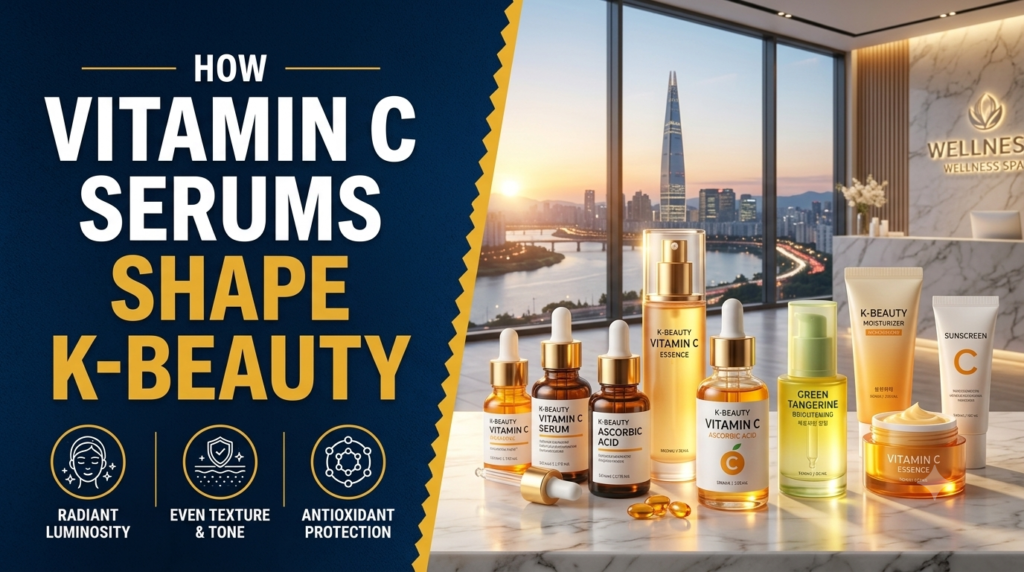

Vitamin C serum is becoming an important part of South Korea’s skincare routines as consumers look for products that support brighter-looking, smoother, and healthier-looking skin. These serums are commonly used in morning or evening routines alongside cleansers, toners, essences, moisturizers, and sunscreen. Their appeal comes from concentrated formulas, lightweight textures, targeted skincare positioning, and the wider influence of K-beauty innovation.
A published report by MarkNtel Advisors reports that the South Korea vitamin C serum sector was valued at around USD 64.93 million in 2025. It is projected to reach USD 71.28 million in 2026 and USD 124.54 million by 2032, registering a CAGR of around 9.75% during 2026–32. This growth reflects demand from skincare awareness, beauty routines, product innovation, and consumer interest in targeted facial care.
Brightening Care Drives Demand
Brightening is one of the strongest reasons consumers use vitamin C serums. Many buyers look for products that help improve dullness, uneven-looking tone, dark spots, and post-blemish marks. Vitamin C is often positioned as an antioxidant ingredient that supports skin radiance and helps protect against visible environmental stress.
In South Korea, brightening-focused skincare is already familiar to consumers. Vitamin C serums fit this preference because they offer a targeted step that can be added easily to existing routines. This makes them attractive to both skincare beginners and experienced beauty users.
K-Beauty Innovation Shapes Products
South Korea’s beauty industry is known for fast product development, and vitamin C serums reflect this pattern. Brands offer different textures, concentrations, stabilized vitamin C forms, ampoule formats, dropper bottles, airless pumps, and formulas combined with ingredients such as niacinamide, hyaluronic acid, peptides, panthenol, or vitamin E.
This innovation helps brands serve different skin types and concerns. Some consumers want strong active formulas, while others prefer gentle products for sensitive skin. Product variety allows brands to compete through texture, packaging, ingredient combinations, and claims.
Functional Cosmetic Rules Matter
Some brightening or anti-wrinkle skincare products in South Korea may fall under functional cosmetics depending on claims and formulation. This makes safety, effectiveness, evaluation, and labeling important for brands selling targeted skincare products. Consumers also expect clear ingredient information and proper usage guidance.
South Korea’s Ministry of Food and Drug Safety explains that functional cosmetics, including products for skin whitening and wrinkle improvement, require evaluation or reporting for safety and effectiveness. This regulatory context supports trust in skincare products that make functional claims.
Sunscreen Pairing Supports Use
Vitamin C serums are often used with sunscreen in daytime routines because both are connected with protection-focused skincare habits. While vitamin C is commonly marketed around antioxidant support, sunscreen remains essential for UV protection. Consumers using brightening products may also pay close attention to sun exposure.
The American Academy of Dermatology recommends choosing broad-spectrum sunscreen with SPF 30 or higher. This guidance supports the importance of pairing active skincare routines with daily sun protection, especially for consumers concerned about uneven tone and visible skin aging.
Packaging Protects Formula Quality
Packaging is especially important for vitamin C serums because some vitamin C forms can be sensitive to air, light, and heat. Dark glass bottles, opaque packaging, airless pumps, smaller sizes, and tight caps help protect formula stability. Good packaging also helps consumers use the product more consistently.
Brands must balance formula performance with user convenience. Dropper bottles can feel premium, while pumps may reduce air exposure and make dosing easier. Packaging that protects product quality and looks attractive can influence purchase and repeat use.
Online Reviews Shape Discovery
Digital platforms strongly influence vitamin C serum purchases in South Korea. Consumers often check reviews, ingredient lists, texture videos, before-and-after impressions, influencer recommendations, and skincare community discussions before buying. Online retail makes it easier to compare concentration, formula type, price, and brand reputation.
This digital discovery environment gives both established and emerging brands opportunities to build visibility. Clear product education, honest reviews, and transparent ingredient explanations can help shoppers choose products that match their skin type and goals.
Sensitive Skin Needs Gentle Options
Vitamin C serums can feel strong for some users, especially if they have sensitive skin or use other active ingredients. Brands are responding with lower-strength formulas, derivative-based vitamin C, soothing ingredients, fragrance-free options, and products designed for barrier support.
Clear usage guidance matters because overuse or poor layering can cause irritation for some consumers. Labels and product pages should explain how often to apply the serum, when to use it, and whether sunscreen is recommended during daytime use. This helps improve customer satisfaction and reduce misuse.
Labeling Builds Consumer Trust
Cosmetic labeling is important because consumers rely on labels to understand ingredients, claims, directions, warnings, and responsible use. Skincare products with active ingredients need especially clear communication so shoppers can make informed decisions and avoid unrealistic expectations.
The U.S. FDA notes through its cosmetics labeling requirements summary that cosmetic products need proper labeling and firms should substantiate product safety. This supports the broader importance of transparent labels and responsible claims in skincare markets.
Outlook for Vitamin C Serums
South Korea’s vitamin C serum sector is expected to grow steadily through 2032, supported by K-beauty innovation, brightening-focused routines, online beauty retail, functional skincare interest, and targeted facial care. The category benefits from consumers who want visible skincare benefits in a concentrated, easy-to-use format.
Future growth will depend on formula stability, gentle active options, credible claims, protective packaging, clear usage guidance, and digital engagement. Companies that combine effective formulations with transparent communication, skin-friendly textures, and trusted brand positioning will remain important in South Korea’s vitamin C serum sector.