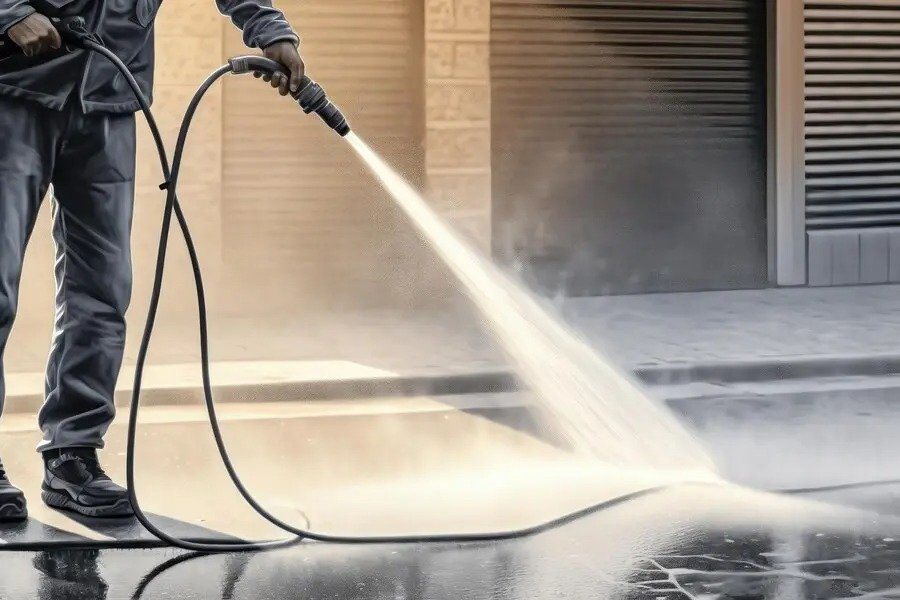

Recurring drain problems can turn an ordinary day into a plumbing headache. Water backing up in a kitchen sink, unpleasant sewer odors, or several slow drains may point to a blockage deeper inside the plumbing system. For homeowners in Brentwood, TN, Hydro Jetting is one method worth considering when ordinary drain cleaning fails to solve the problem. At Green Hills Plumbing INC, understanding the cause of a blockage is just as important as clearing it.
A drain that keeps clogging usually has an underlying reason. Grease, soap residue, mineral deposits, accumulated waste, and invading tree roots can gradually restrict wastewater flow. Removing the obstruction properly can help prevent another unexpected backup.
What Is Hydro Jetting and How Does It Work?
Hydro jetting is a professional drain-cleaning method that uses highly pressurized water to remove accumulated debris from the inside of plumbing pipes. A plumber feeds a specialized hose with a cleaning nozzle into an accessible drain or sewer line. The nozzle releases controlled water streams that break apart obstructions and wash loosened material through the pipe.
Unlike a traditional drain snake, which typically creates an opening through a blockage, this process can clean a much larger portion of the pipe’s interior surface. It is particularly useful for removing:
- Grease and cooking oils: Kitchen waste can collect along pipe walls and gradually restrict drainage.
- Soap and organic residue: Bathroom drains often accumulate soap deposits, hair, and other materials.
- Mineral scale: Certain water conditions contribute to deposits that narrow the inside of pipes.
- Tree roots: Small roots entering through pipe joints can grow into larger obstructions.
- Sludge and sediment: Waste material can accumulate in sewer lines and interfere with normal flow.
A practical field observation for Brentwood properties is that recurring drainage complaints often involve more than one type of buildup. A kitchen line may contain hardened grease, while a main sewer line may have roots or sediment restricting the flow.
The process generally begins with identifying the affected line and checking its condition. A sewer camera can help locate the blockage, reveal pipe damage, and determine whether high-pressure cleaning is appropriate.
Brentwood’s sewer infrastructure also deserves consideration. The city reports approximately 315 miles of sewer piping, with both gravity sewer lines and low-pressure systems in its service area. Some properties rely on sewage grinder pumps rather than conventional gravity connections. This makes understanding the property’s individual plumbing arrangement particularly useful before choosing a cleaning method.
City of Brentwood+1
The Real Drainage Challenges Brentwood Homeowners Face
Brentwood properties can experience several types of drainage problems, from everyday kitchen clogs to more complicated underground sewer obstructions. Mature landscaping, accumulated household waste, aging pipe connections, and heavy rainfall can all contribute to plumbing concerns.
The local sewer system faces challenges beyond ordinary household clogs. Brentwood’s water department identifies grease, improper disposal of materials, excessive stormwater entering sewer lines, pumping station malfunctions, and damaged pipes as possible causes of sanitary sewer overflows.
City of Brentwood
This distinction matters because not every sewer problem can be fixed by cleaning the pipe.
A common local challenge is determining whether the problem comes from a private sewer line or the wider sewer system. A homeowner may notice repeated backups without knowing whether the obstruction is inside the property boundary or connected to a larger infrastructure issue. Identifying the affected section before starting work helps avoid unnecessary cleaning.
Consider a representative scenario: A Brentwood homeowner notices that the kitchen sink drains slowly, followed by occasional gurgling from a nearby bathroom fixture. After several attempts to clear the kitchen drain, the symptoms return. A camera inspection reveals accumulated grease and debris farther down the shared drainage route. Cleaning the affected section may restore flow, but the inspection also checks whether pipe damage requires separate attention.
One question homeowners often have is whether jetting can damage their plumbing. It can if the equipment is used at an unsuitable pressure or on a pipe that is already cracked, deteriorated, or structurally weak. That is why checking the pipe’s condition before cleaning is essential.
Another point worth understanding is that removing roots does not repair the opening through which they entered. If a pipe joint is separated or damaged, roots may return unless the underlying defect is addressed.
How Green Hills Plumbing INC Approaches Drain Cleaning
A successful drain-cleaning job starts with identifying the actual obstruction rather than immediately choosing the most powerful equipment. Different pipes and blockages require different methods, and the condition of the plumbing system should guide the decision.
For Green Hills Plumbing INC, a sensible approach to plumbing work in Brentwood involves several important steps.
- Identify the source of the blockage
The first step is to understand which fixtures are affected and whether the issue involves an individual drain or the main sewer line. Multiple slow drains, toilet gurgling, and recurring backups can indicate a problem farther down the drainage system.
- Inspect the pipe condition
A sewer camera inspection allows a plumber to examine the inside of an accessible pipe. It can reveal grease accumulation, root intrusion, cracks, separated joints, and other conditions that affect the cleaning decision.
This step is especially valuable for older plumbing systems. Applying high-pressure water without understanding the pipe’s condition can create additional problems if the material is already damaged.
- Select the appropriate cleaning method
Once the blockage and pipe condition are understood, the plumber can decide whether a drain snake, mechanical root cutter, or high-pressure water equipment is appropriate.
For heavy accumulation along pipe walls, hydro jet plumbing services can provide more thorough cleaning than simply opening a narrow passage through the obstruction.
- Clean and evaluate the result
The technician feeds the jetting hose into the affected line and adjusts the water pressure according to the pipe material and condition. Water jets break apart accumulated debris and carry loosened material through the drainage system.
A follow-up camera inspection can help confirm whether the obstruction has been cleared and identify any remaining structural concerns.
An important distinction: Cleaning and repairing a sewer line are two different jobs. Some competing service descriptions focus heavily on the cleaning power of high-pressure equipment but give less attention to what happens when an inspection reveals a damaged pipe. In those situations, repair, pipe lining, or replacement may be more appropriate than repeated cleaning.
The goal should be to restore proper drainage while avoiding unnecessary work and protecting the existing plumbing system.
Practical Tips: What to Know Before You Decide
Before scheduling professional drain cleaning, a few practical considerations can help you understand whether this method is appropriate for your property.
Pay attention to recurring warning signs.
A single slow sink may have a localized obstruction. However, several fixtures draining slowly at the same time can suggest a main-line problem. Other warning signs include:
- Water backing up into a shower or bathtub when a toilet is flushed.
- Gurgling sounds coming from drains.
- Unpleasant sewage odors around plumbing fixtures.
- Repeated blockages after conventional drain cleaning.
- Wastewater appearing in lower-level drains.
These symptoms do not automatically mean jetting is necessary, but they deserve attention before a small blockage becomes a major backup.
Understand the difference between snaking and jetting.
A mechanical drain snake uses a rotating cable to break through or retrieve an obstruction. It is useful for localized clogs and certain root blockages. High-pressure water cleaning can remove more of the accumulated material coating the inside of a pipe.
Neither method is right for every situation. A plumber should select the equipment based on the obstruction, pipe diameter, material, and overall condition.
Ask about pipe materials and inspection.
Older cast-iron pipes, clay sewer lines, PVC, and other plumbing materials can have different cleaning requirements. A professional should check for corrosion, cracks, weak connections, and other defects before applying pressure.
A second practical field observation for Brentwood homeowners is that drainage problems can be more complicated in properties with different sewer arrangements. Since some local homes use low-pressure sewer systems and grinder pumps, the plumber should establish whether the blockage is in a conventional drain line, a pressure line, or another part of the system before recommending work.
City of Brentwood+1
Consider tree root intrusion separately.
Roots can enter underground pipes through small openings and expand as they encounter moisture. Hydro jet root removal in Brentwood, TN may clear root material from inside an appropriate pipe, but it does not close damaged joints or restore broken sections.
If roots keep returning, ask whether the line needs a structural repair rather than another cleaning appointment.
Get a clear estimate before work begins.
The price depends on the location of the blockage, pipe accessibility, severity of buildup, equipment required, and whether a camera inspection is necessary. Ask whether inspection, cleaning, and any follow-up work are included in the quoted amount.
A useful local tip is to establish whether your property is connected to Brentwood’s municipal sewer system or uses another wastewater arrangement. The city notes that its sewer service district does not cover every resident within the city limits. Confirming this detail can help determine which part of the system needs attention.
City of Brentwood
Restore Proper Drainage Before Small Clogs Become Bigger Problems
Recurring blockages deserve more than another temporary fix. A proper inspection can identify whether grease, roots, or pipe damage is responsible and help determine the right cleaning or repair method. Homeowners needing professional plumbing assistance in Brentwood, TN, can discuss their drainage concerns with Green Hills Plumbing INC and request an assessment before deciding on the next step.Homeowners needing professional hydro jetting assistance in Brentwood, TN, can discuss their drainage concerns with Green Hills Plumbing INC and request an assessment before deciding on the next step.
FAQs
1. What problems can hydro jetting remove from plumbing pipes?
Hydro jetting can remove grease, soap residue, food waste, mineral deposits, sediment, and certain tree root obstructions from suitable plumbing pipes. It is especially useful for recurring blockages caused by material sticking to pipe walls. However, cracked, collapsed, or severely deteriorated pipes may require repair instead of cleaning.
2. How much does professional hydro jetting cost in Brentwood, TN?
The price depends on the blockage location, pipe length, accessibility, severity, and equipment required. A simple drain-cleaning job generally costs less than cleaning an underground sewer main with heavy root intrusion. Request an inspection and written estimate so you understand the expected cost before authorizing the work.
3. Is hydro jetting safe for older plumbing pipes?
It can be safe when performed by a qualified plumber who checks the pipe condition and adjusts the pressure accordingly. However, severely corroded cast-iron pipes, cracked clay lines, and weakened connections may not tolerate high-pressure cleaning. A camera inspection helps determine whether another cleaning method is safer.
4. How do I know if a plumber is qualified to perform hydro jetting?
Check whether the plumber has the appropriate Tennessee licensing, insurance, and experience with high-pressure drain-cleaning equipment. Ask about pre-cleaning inspections, pressure adjustments, and post-cleaning checks. A trustworthy professional should explain the condition of your pipes, discuss possible risks, and provide a clear estimate before starting work.
5. Can hydro jetting remove tree roots from sewer lines?
Yes, high-pressure water equipment can remove certain root obstructions from suitable sewer pipes. However, it does not repair cracks or gaps that allow roots to enter. If the underlying opening remains, roots can grow back. A camera inspection can help determine whether additional sewer line repairs are necessary.