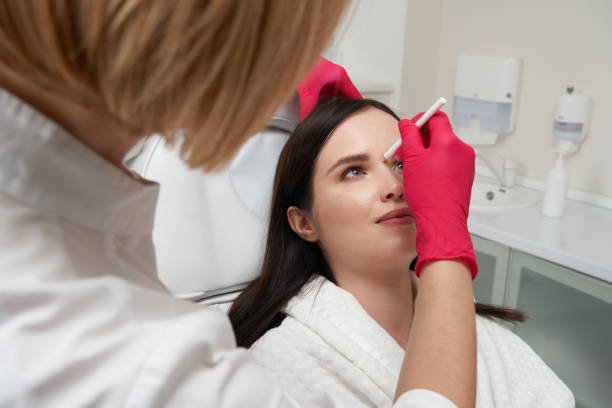

Even small nose imperfections can affect how people feel about their facial appearance. A slight nasal hump, a mildly uneven tip, subtle asymmetry, or a small difference in nostril shape may become noticeable to someone who wants better facial balance. Rhinoplasty can address certain concerns by reshaping the nasal structure, but surgery is not always necessary for minor changes. People considering Rhinoplasty in Riyadh should understand the potential benefits, limitations, and risks before deciding whether the procedure is appropriate for their needs.
Rhinoplasty is a surgical procedure that can modify the bone, cartilage, and soft tissues of the nose. Its purpose may be cosmetic, functional, or both, depending on the patient’s concerns. For individuals with relatively minor imperfections, the decision requires careful consideration because even a small adjustment can influence the overall appearance of the face. A consultation for Rhinoplasty in Riyadh allows a qualified surgeon to assess the nasal structure, discuss realistic expectations, and determine whether surgery is likely to provide a meaningful improvement.
What Are Considered Minor Nose Imperfections?
Minor nose imperfections are subtle features that a person may wish to refine without significantly changing the overall shape of the nose. These concerns can be present naturally or develop after an injury or previous procedure.
Common examples include:
- Small nasal hump: A slight raised area along the bridge of the nose.
- Mild asymmetry: One side of the nose may look slightly different from the other.
- Uneven nasal tip: The tip may appear subtly rounded, angled, or irregular.
- Minor nostril differences: One nostril may be slightly wider or differently shaped.
- Small contour irregularities: Minor unevenness may be visible along the nasal bridge or tip.
Not every small imperfection requires treatment. The decision should depend on the patient’s concerns, anatomy, and the potential benefits of making a change.
Can Rhinoplasty Correct Minor Nose Imperfections?
Yes, rhinoplasty can address selected minor imperfections when they are suitable for surgical correction. A surgeon may make carefully planned adjustments to improve the nose’s proportions while maintaining a natural appearance.
Depending on the concern, the procedure may involve:
- Refining a small nasal hump
- Improving mild asymmetry
- Adjusting the shape or definition of the nasal tip
- Making selected changes to nostril shape
- Smoothing certain contour irregularities
The extent of correction depends on the underlying nasal structure. Even a subtle change may require precise surgical work, so the surgeon must evaluate whether the expected improvement justifies undergoing an operation.
When Is Rhinoplasty Worth Considering for Minor Changes?
Rhinoplasty may be worth considering when a minor imperfection consistently affects a person’s confidence or when a specific structural concern can be safely and realistically improved.
1. When the Concern Affects Self-Confidence
Some individuals remain unhappy with a particular nasal feature despite having an otherwise balanced facial appearance. If the concern is persistent and the person has realistic expectations, a consultation may help determine whether surgery is an appropriate option.
2. When a Small Change Can Improve Facial Balance
The nose plays an important role in overall facial proportions. In selected cases, refining a small irregularity may create a more balanced appearance without dramatically changing the patient’s natural features.
3. When the Nasal Structure Is Suitable for Surgery
Not every imperfection can be corrected in the same way. Skin thickness, cartilage strength, bone structure, and healing characteristics influence what can realistically be achieved. Surgery is more reasonable when the desired adjustment is technically suitable.
4. When the Patient Understands the Risks
Rhinoplasty is still a surgical procedure, even when the requested change is small. Patients should understand the possibility of swelling, bleeding, infection, scarring, breathing changes, dissatisfaction with the result, and the potential need for revision surgery.
When Might Rhinoplasty Not Be Necessary?
Rhinoplasty may not be the best choice when the concern is extremely subtle, does not meaningfully affect the patient’s well-being, or cannot be improved safely through surgery.
It may be worth reconsidering surgery if:
- The expected improvement is very small.
- The patient is unsure about changing their appearance.
- Expectations are unrealistic or focused on achieving perfection.
- A surgeon believes the proposed change could compromise nasal function.
- The patient has not fully considered recovery and potential complications.
A qualified surgeon should explain when the likely benefits are limited and when avoiding surgery may be the more appropriate decision.
Rhinoplasty vs Non-Surgical Nose Treatments
Some minor concerns may be suitable for non-surgical treatments, such as injectable fillers. These treatments can sometimes camouflage a small indentation or create the appearance of a smoother nasal profile.
However, non-surgical nose treatments have important limitations:
- They add volume rather than physically reducing nasal tissue.
- They cannot remove a nasal hump or make the nose smaller.
- Results are temporary and require maintenance.
- Nasal filler injections carry rare but serious risks, including skin damage and vision loss due to vascular complications.
Surgical rhinoplasty can make structural changes, but it involves an operation and recovery period. A medical professional should assess which approach, if any, is suitable for the patient’s concern.
What Should You Consider Before Making a Decision?
Before choosing rhinoplasty for a minor imperfection, it is helpful to evaluate the decision carefully. Consider the following points:
- Your main concern: Identify the specific feature you want to improve.
- Expected results: Understand what surgery can realistically achieve.
- Nasal function: Make sure breathing and structural support remain priorities.
- Recovery time: Consider swelling, temporary restrictions, and follow-up visits.
- Surgical risks: Discuss possible complications and the chance of needing further treatment.
- Professional advice: Seek an assessment from a qualified surgeon experienced in nasal procedures.
Photographs, facial analysis, and a physical examination may help the surgeon explain possible outcomes. However, simulated images cannot guarantee the final surgical result.
Is Rhinoplasty Worth It for Everyone With a Small Nose Concern?
No. Rhinoplasty is a personal decision, and the value of surgery depends on the individual’s goals, anatomy, expectations, and willingness to accept surgical risks. Someone with a persistent concern and a realistic understanding of the outcome may feel that a carefully planned procedure is worthwhile. Another person with a barely noticeable imperfection may decide that surgery offers too little benefit.
The goal should not be to achieve a perfectly symmetrical nose. Natural facial features are rarely completely symmetrical, and preserving nasal function is just as important as improving appearance.
Book a Rhinoplasty Consultation at Royal Clinic Saudia
If a minor nose imperfection affects your confidence, a professional assessment can help you understand whether surgical correction is appropriate. At Royal Clinic Saudia, you can discuss your concerns, learn about available treatment approaches, and explore realistic expectations with a qualified medical professional. Schedule a consultation to learn more about Rhinoplasty in Riyadh and make an informed decision based on your individual needs.
FAQs:
1. Can rhinoplasty correct a very small nose imperfection?
Yes, rhinoplasty can correct selected minor irregularities, such as a small nasal hump, mild asymmetry, or an uneven tip. Suitability depends on the patient’s nasal anatomy and the surgeon’s assessment.
2. Is surgery necessary for minor nose imperfections?
No. Some minor concerns do not require treatment, while others may be suitable for non-surgical options. A qualified professional can explain whether any intervention is appropriate.
3. Does rhinoplasty for minor changes require a long recovery?
Recovery varies depending on the surgical technique and the extent of correction. Initial swelling and bruising generally improve over the first few weeks, but subtle swelling can take several months or longer to settle.
4. Can minor rhinoplasty changes affect breathing?
They can, because the nose has both cosmetic and functional structures. Careful surgical planning is important to preserve nasal support and airflow while addressing the patient’s aesthetic concerns.