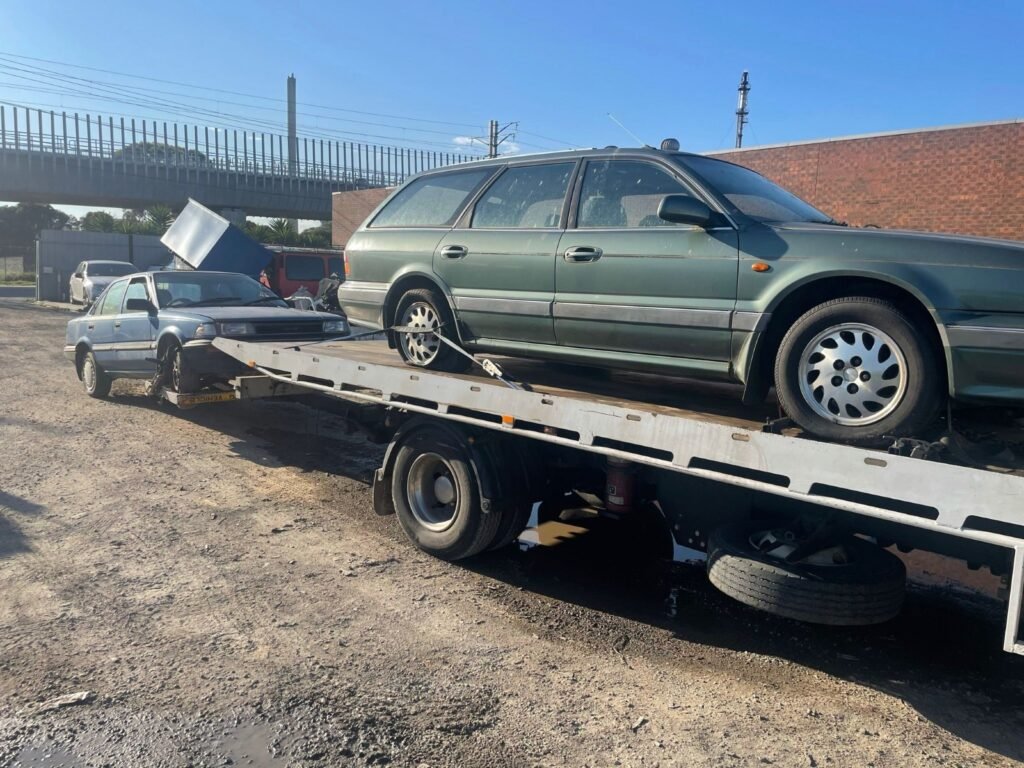

A non-running car can quickly turn from a minor inconvenience into a major problem. Whether the engine has failed, the transmission is damaged, the vehicle has been involved in an accident, or years of neglect have made repairs impractical, leaving it sitting in a driveway or garage is rarely a long-term solution.
Fortunately, there are several ways to deal with a vehicle that no longer runs. You might repair it, sell it privately, offer it to a specialist buyer, dismantle it for parts, or arrange professional removal and recycling.
This guide explains the main options and the steps you should consider before getting rid of a non-running car.
1. Find Out Why the Vehicle Is Not Running
Before deciding what to do, determine why your car has stopped working.
Some problems may be relatively inexpensive to repair, while others can cost thousands. A flat battery, starter problem, or minor electrical fault is very different from a failed engine or transmission.
If you are unsure about the problem, consider having a qualified mechanic inspect the vehicle. Knowing the likely repair cost gives you an important figure to compare against the car’s current value.
2. Compare Repair Costs With the Car’s Value
Once you know what is wrong, compare the estimated repair cost with the market value of the vehicle.
Repairing a car can make sense when the fault is manageable and the vehicle is otherwise reliable. However, spending a large amount on a low-value vehicle with several additional problems may not be economical.
Consider the possibility of future repairs as well. Fixing one major problem only to face another expensive failure a few months later can make keeping an older vehicle costly.
If repairs appear uneconomical, requesting a quote from a service such as Top Cash for Cars Brisbane can provide another option to compare with the cost of fixing the vehicle.
3. Consider Selling the Vehicle As-Is
A car does not necessarily need to be running before it can be sold.
Some private buyers, mechanics, automotive businesses, and vehicle wreckers purchase non-running vehicles. Selling as-is means you avoid paying for repairs without knowing whether you will recover those costs through the eventual sale price.
When advertising or requesting quotes, clearly describe the vehicle’s condition. Explain whether it starts, what problems are known, and whether it can be moved easily.
Accurate information helps potential buyers determine whether the car suits their needs.
4. Explore Cash-for-Car Services
Cash-for-car services can be particularly useful for vehicles that are difficult to sell through traditional channels.
Depending on their buying criteria, these companies may purchase damaged, old, accident-affected, unregistered, or mechanically faulty vehicles.
Owners considering Cash for Cars Ipswich services can request an offer based on the vehicle’s make, model, age, condition, and other relevant details.
Before accepting a quote, ask whether towing is included, when payment will be made, and whether there are any additional charges.
5. Think About Selling the Car for Parts
Even when a complete car no longer runs, individual components may still have value.
Potentially reusable components can include:
- Engine components
- Transmission parts
- Alternators and starter motors
- Doors and body panels
- Headlights and tail lights
- Mirrors
- Wheels
- Interior components
- Selected electrical parts
Selling individual components yourself may generate value, but dismantling a car requires time, space, appropriate tools, and mechanical knowledge.
For many owners, selling the complete vehicle to a professional buyer or wrecker is more convenient.
6. Consider Car Wrecking and Recycling
If the vehicle is badly damaged or no longer economical to repair, wrecking and recycling may be a practical solution.
A wrecker can assess the car for components that may still be suitable for reuse. After appropriate dismantling, recyclable materials can be separated and processed.
Vehicles contain considerable amounts of steel, aluminium, and other recoverable materials. As a result, a non-running vehicle may still retain value even when it is no longer useful for transportation.
7. Arrange Appropriate Vehicle Removal
Transportation is one of the biggest challenges when dealing with a non-running car.
Because the vehicle cannot simply be driven to the buyer, you may need towing or professional collection.
Some services operating in the Cash for Cars Logan market may offer vehicle collection as part of the transaction. Always confirm whether towing is included in the quoted amount and whether any conditions or additional fees apply.
Also tell the collection company if the vehicle is parked somewhere difficult to access, such as an underground garage, narrow driveway, or enclosed yard.
8. Compare Multiple Quotes
Do not assume the first offer is automatically the best one.
Contact several potential buyers and provide each with the same accurate description of your car. This will make the quotes easier to compare.
Look beyond the headline amount. Consider:
- Actual offer for your vehicle
- Towing or collection costs
- Additional fees
- Payment method
- Collection availability
- Quote conditions
- Paperwork requirements
A slightly lower offer that includes convenient collection and no unexpected deductions may provide better overall value.
9. Gather the Necessary Documents
Before arranging collection, ask the buyer what paperwork is required.
Requirements can vary according to your circumstances and local regulations. You may need to provide identification and documentation relating to the car and your authority to sell it.
If you are researching Cash for Cars Maroochydore services, clarify these requirements when obtaining your quote.
Preparing the paperwork beforehand can help avoid delays when the vehicle is collected.
10. Remove Your Personal Belongings
A car that has been sitting unused for months can still contain plenty of forgotten personal items.
Before collection, carefully check:
- Glovebox
- Boot
- Centre console
- Door pockets
- Under the seats
- Seat-back pockets
- Spare-wheel compartment
Remove documents, tools, electronic devices, chargers, sunglasses, shopping bags, and other belongings.
Remember to remove toll tags and any personal accessories you intend to keep.
11. Avoid Unnecessary Repairs or Cosmetic Work
Once you have decided to sell a non-running car to a wrecker or specialist buyer, expensive cosmetic improvements are usually unnecessary.
Professional detailing, paint repairs, dent removal, or new accessories may not increase the offer enough to recover what you spend.
Similarly, do not automatically pay for major mechanical repairs without comparing the expense against the vehicle’s expected value.
Get quotes for the car in its current condition first. You can then decide whether spending money on repairs makes financial sense.
12. Confirm the Final Price Before Collection
Before the tow truck arrives, confirm the agreed offer.
Ask whether the price is final or whether it could change following an inspection. If it can change, ask what factors could result in an adjustment.
Whether dealing with Top Cash for Cars Brisbane, Cash for Cars Ipswich, Cash for Cars Logan, or Cash for Cars Maroochydore, clear communication about pricing can reduce the risk of misunderstandings.
If the offer changes significantly during collection, ask for an explanation before agreeing to proceed.
13. Understand the Payment Process
You should know how and when payment will be made before handing over the car.
Ask about the payment method and whether there are any deductions or processing requirements.
Keep records of the agreed amount and the completed transaction. Clear payment arrangements are especially important when the vehicle is being collected from your property.
14. Check Registration and Ownership Requirements
Selling the vehicle may not automatically complete every administrative responsibility associated with it.
Depending on your circumstances and location, you may need to take additional steps regarding registration, ownership records, number plates, or notification of the relevant transport authority.
Check the current requirements that apply to your car rather than assuming the buyer handles everything.
Keep copies of important paperwork for your records.
15. Prepare the Vehicle for the Tow Truck
A little preparation can make vehicle collection much easier.
Make sure the car is accessible to the towing vehicle. If another vehicle blocks the driveway, move it beforehand where possible.
Inform the removal company if the wheels are locked, tyres are flat, keys are missing, or the car cannot roll normally. These details may affect the equipment needed for collection.
The more information the towing team has in advance, the easier it is to prepare for the job.
Why Professional Removal Can Be Convenient
A non-running vehicle presents a transportation problem that does not exist with a roadworthy car. Even if you find a buyer, you still need a practical way to move it.
A professional removal service can combine the sale and transportation into one process, depending on the provider’s terms.
This can eliminate the need to arrange towing separately and may be particularly useful for vehicles that have been sitting unused for an extended period.
Choosing the Right Option for Your Vehicle
There is no universal solution for every non-running car.
If the problem is minor and the vehicle still has substantial value, repairing it may be worthwhile. If you have mechanical knowledge and sufficient time, selling parts individually could be another possibility.
If the car requires expensive repairs or you simply want it removed without managing a private sale, a vehicle buyer, wrecker, or removal company may be more suitable.
Compare the likely financial return with the amount of time, money, and effort each option requires.
Choosing a Car Removal Provider
If professional removal is your preferred option, research providers carefully.
Check their reputation and ask clear questions about pricing, collection, payment, paperwork, and possible fees.
When comparing Top Cash for Cars Brisbane, Cash for Cars Ipswich, Cash for Cars Logan, and Cash for Cars Maroochydore, focus on the actual offer for your specific vehicle rather than only advertised maximum amounts.
A clear quote and straightforward collection terms can be just as important as the headline price.
Final Thoughts
Getting rid of a non-running car does not have to be difficult. Start by identifying the mechanical problem and comparing the cost of repairs with the vehicle’s current value. From there, you can decide whether repairing, privately selling, dismantling, wrecking, or arranging professional removal makes the most sense.
Before handing over the vehicle, compare quotes, confirm towing and payment arrangements, remove your belongings, prepare the required paperwork, and check any registration responsibilities.
Whether you investigate Top Cash for Cars Brisbane, Cash for Cars Ipswich, Cash for Cars Logan, or Cash for Cars Maroochydore, taking the time to compare the complete offer can help you choose a practical solution for your unwanted car.