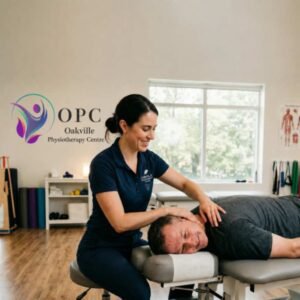
Shoulder pain is a common musculoskeletal problem that can affect people of different ages and activity levels. Whether it develops because of prolonged desk work, repetitive movements, sports activities, muscle strain, or an underlying joint condition, shoulder discomfort can make everyday tasks challenging. Simple activities such as lifting objects, reaching overhead, getting dressed, and carrying bags may become uncomfortable when shoulder movement is restricted.
In a busy environment like Dubai, office-based work, active lifestyles, gym routines, and repetitive daily activities can contribute to shoulder-related problems. Understanding the different shoulder conditions, their causes, and available treatment approaches is essential for maintaining mobility and physical comfort.
Shoulder pain dubai is an important area of physiotherapy care because effective management involves identifying the underlying cause of discomfort and developing an appropriate rehabilitation plan. At Vitruvian Italian Physiotherapy Center, an individualised physiotherapy approach focuses on improving shoulder mobility, strengthening supporting muscles, and helping patients return to their everyday activities.
Understanding Shoulder Anatomy and Function
The shoulder is one of the most mobile joints in the human body. It allows the arm to move in multiple directions, making activities such as reaching, lifting, pushing, and rotating possible.
The shoulder complex consists of several important structures, including:
- Humerus: The upper arm bone that connects with the shoulder joint.
- Scapula: The shoulder blade that supports arm movement.
- Clavicle: The collarbone that connects the shoulder to the chest.
- Rotator cuff: A group of four muscles and tendons that help stabilise the shoulder and control movement.
- Ligaments: Tissues that connect bones and provide joint stability.
- Bursae: Small fluid-filled sacs that help reduce friction between surrounding tissues.
These structures work together to provide stability and flexibility. When muscles, tendons, ligaments, or joints become irritated or injured, shoulder movement may become painful or restricted.
Understanding shoulder anatomy helps explain why different conditions can produce similar symptoms but require different treatment approaches.
Common Causes of Shoulder Pain
Shoulder discomfort can develop gradually or suddenly, depending on the underlying condition. Some problems are associated with repetitive movements, while others develop following an injury or changes in joint structures.
1. Rotator Cuff Injuries
The rotator cuff plays an important role in stabilising the shoulder joint and controlling arm movement. It consists of four muscles and their tendons that help keep the upper arm bone properly positioned within the shoulder socket.
Rotator cuff injuries may develop because of repetitive overhead movements, sports activities, sudden strain, or age-related changes.
Common symptoms include:
- Pain when lifting the arm.
- Discomfort while reaching overhead.
- Weakness during lifting activities.
- Pain when sleeping on the affected shoulder.
- Difficulty performing daily tasks.
Physiotherapy may involve targeted strengthening, mobility exercises, and movement training to improve shoulder function.
2. Frozen Shoulder
Frozen shoulder, also known as adhesive capsulitis, is a condition characterised by stiffness and restricted movement in the shoulder joint.
It usually develops gradually and may progress through different stages. Patients often experience discomfort followed by increasing stiffness, making it difficult to move the arm freely.
Common symptoms include:
- Shoulder stiffness.
- Difficulty reaching behind the back.
- Reduced ability to raise the arm.
- Discomfort during shoulder rotation.
- Difficulty dressing or grooming.
Treatment generally focuses on gradually improving joint mobility, maintaining comfortable movement, and restoring shoulder function.
3. Shoulder Impingement
Shoulder impingement occurs when structures within the shoulder become compressed or irritated during certain arm movements.
It commonly involves the rotator cuff tendons and surrounding tissues. Repeated overhead activities and movement-related changes may contribute to this condition.
Patients may experience discomfort when raising their arms, reaching overhead, or performing repetitive shoulder movements.
A physiotherapy programme may include posture correction, shoulder mobility exercises, and strengthening techniques designed to improve movement mechanics.
4. Shoulder Bursitis
Bursitis refers to inflammation or irritation of a bursa. In the shoulder, these small fluid-filled sacs help reduce friction between tendons, muscles, and bones.
Repeated overhead movements, direct pressure, and certain injuries may contribute to shoulder bursitis.
Common symptoms include:
- Pain around the outer shoulder.
- Discomfort when raising the arm.
- Tenderness around the affected area.
- Difficulty lying on the painful shoulder.
- Restricted movement during certain activities.
Treatment depends on the cause and severity of symptoms. Physiotherapy may help improve movement patterns and gradually restore comfortable shoulder function.
5. Shoulder Tendinitis
Shoulder tendinitis involves irritation or inflammation of a tendon. The condition may develop because of repetitive movements, excessive loading, or insufficient recovery between physical activities.
The rotator cuff and biceps tendons are commonly involved.
Symptoms may include pain during lifting, tenderness, stiffness, and discomfort when performing repetitive arm movements.
Rehabilitation may involve modifying activities, gradually strengthening the affected muscles, and improving shoulder movement control.
6. Shoulder Dislocation
A shoulder dislocation occurs when the upper arm bone moves out of its normal position within the shoulder socket.
This can happen following a fall, sports injury, or sudden force applied to the arm.
Symptoms may include:
- Sudden and severe shoulder pain.
- Visible changes in shoulder shape.
- Difficulty moving the arm.
- Swelling and tenderness.
- A feeling of instability.
A dislocated shoulder requires prompt medical assessment and appropriate treatment. Physiotherapy may form part of the recovery process after the joint has been medically managed.
7. Shoulder Arthritis
Shoulder arthritis involves changes in the joint surfaces that may affect movement and comfort.
Osteoarthritis is associated with gradual wear of joint cartilage, which can lead to stiffness, discomfort, and reduced flexibility.
Patients may notice:
- Pain during shoulder movement.
- Stiffness after periods of inactivity.
- Reduced range of motion.
- Discomfort during lifting activities.
- A grinding or clicking sensation.
Management may include suitable exercises, movement education, and strengthening techniques to support joint function.
8. Shoulder Labral Injuries
The labrum is a ring of cartilage surrounding the shoulder socket. It helps deepen the socket and contributes to joint stability.
Labral injuries may develop following trauma, repetitive overhead activities, or certain sports movements.
Symptoms can include deep shoulder discomfort, clicking sensations, reduced strength, and difficulty performing specific arm movements.
Treatment depends on the type and severity of the injury. A clinical assessment helps determine whether conservative rehabilitation or further medical evaluation is appropriate.
Shoulder Pain and Everyday Lifestyle Habits in Dubai
Daily routines can significantly influence shoulder health. People working in offices, spending long hours using computers, or regularly performing repetitive activities may experience additional strain around the shoulder and neck.
Some common lifestyle factors include:
- Maintaining poor sitting posture.
- Working with improperly positioned computer screens.
- Spending long periods using mobile devices.
- Performing repetitive lifting activities.
- Exercising without adequate preparation.
- Increasing gym intensity too quickly.
- Carrying heavy bags on one shoulder.
- Having insufficient recovery between workouts.
These habits may contribute to muscular fatigue, restricted movement, and shoulder discomfort.
For people experiencing Shoulder pain dubai, understanding the relationship between daily habits and physical symptoms can be an important part of effective management.
Regular movement breaks, suitable workstation arrangements, and balanced exercise routines may help support better shoulder function.
Common Symptoms Associated With Shoulder Conditions
Different shoulder conditions can produce similar symptoms. However, the location, intensity, and duration of discomfort may provide useful information during a physiotherapy assessment.
Common symptoms include:
Pain During Arm Movement: Discomfort may occur when reaching overhead, lifting objects, or moving the arm away from the body.
Restricted Shoulder Mobility: Joint stiffness can make everyday activities such as dressing, bathing, and reaching behind the back more difficult.
Muscle Weakness: Some patients experience difficulty lifting or holding objects because of reduced shoulder strength.
Night-Time Discomfort: Shoulder conditions may cause discomfort when lying on the affected side or changing sleeping positions.
Clicking and Popping Sensations: Some shoulder problems are associated with clicking or popping during movement. These sensations should be assessed when accompanied by pain or functional limitations.
Pain Extending Towards the Arm: Certain shoulder conditions may cause discomfort that travels down the upper arm. Neck-related nerve irritation can also produce similar symptoms.
Recognising these symptoms can help patients understand when professional assessment may be beneficial.
How Physiotherapy Helps Manage Shoulder Pain
Physiotherapy is an important part of managing many musculoskeletal shoulder conditions. It focuses on improving joint mobility, restoring muscle strength, and developing better movement control.
At Vitruvian Italian Physiotherapy Center, treatment can be structured according to the patient’s condition, physical limitations, and recovery goals.
1. Initial Shoulder Assessment
An appropriate treatment programme begins with a detailed assessment.
The physiotherapist may evaluate:
- Shoulder range of motion.
- Muscle strength and endurance.
- Joint mobility.
- Posture and shoulder positioning.
- Movement patterns during everyday activities.
- Previous injuries and medical history.
This assessment helps identify the factors contributing to discomfort and supports the development of an individualised rehabilitation plan.
2. Shoulder Mobility Exercises
Mobility exercises help improve the movement of the shoulder joint and surrounding structures.
Depending on the condition, a physiotherapist may recommend:
- Pendulum exercises.
- Assisted shoulder elevation.
- Gentle shoulder rotations.
- Wall slides.
- Controlled stretching exercises.
These movements are introduced gradually and adjusted according to the patient’s comfort and physical ability.
3. Rotator Cuff Strengthening
The rotator cuff muscles provide essential shoulder stability. Strengthening these muscles can help improve control during lifting, reaching, and rotational movements.
Common rehabilitation exercises may include:
- Resistance band external rotations.
- Resistance band internal rotations.
- Isometric shoulder exercises.
- Controlled shoulder abduction.
- Light resistance strengthening.
The intensity and progression of these exercises depend on the patient’s condition and rehabilitation stage.
4. Scapular Stabilisation Exercises
The shoulder blade plays an important role in controlling arm movement. Poor coordination between the shoulder blade and upper arm may contribute to inefficient movement patterns.
Scapular stabilisation exercises aim to improve muscle coordination and support shoulder mechanics.
Examples include:
- Scapular retractions.
- Wall-based shoulder exercises.
- Controlled rowing movements.
- Shoulder blade positioning exercises.
These techniques may be particularly useful for people experiencing movement-related shoulder discomfort.
5. Manual Therapy
Manual therapy involves hands-on techniques performed by a trained physiotherapist to address certain movement restrictions and soft tissue discomfort.
Depending on the patient’s assessment, treatment may include:
- Gentle joint mobilisation.
- Soft tissue techniques.
- Targeted massage.
- Movement-assisted techniques.
Manual therapy may be combined with active exercises to support overall rehabilitation.
6. Posture Correction and Movement Education
Posture and movement habits can influence the way the shoulder functions throughout the day.
Physiotherapists may provide guidance on maintaining comfortable shoulder positioning during work, exercise, and everyday activities.
Patients may also learn appropriate techniques for lifting objects, using computer equipment, and performing repetitive movements.
This education helps patients understand how to manage physical demands and maintain better movement habits.
Best Shoulder Pain Treatment in Dubai: Understanding Individualised Care
Choosing an appropriate treatment approach requires understanding the specific shoulder condition rather than focusing only on pain relief.
The Best Shoulder pain treatment in dubai depends on several factors, including the underlying diagnosis, symptom duration, joint mobility, muscle strength, and the patient’s daily activity requirements.
A suitable treatment programme may involve a combination of the following approaches:
Condition-Specific Rehabilitation
Different shoulder problems require different exercises and rehabilitation strategies. Frozen shoulder, rotator cuff injuries, and shoulder instability cannot all be managed using exactly the same programme.
Progressive Strengthening
Gradually improving muscle strength helps support shoulder stability and everyday movement.
Mobility Restoration
Restricted movement may require carefully selected exercises that improve flexibility and joint mobility.
Functional Training
Functional exercises help patients practise movements required for work, sports, and household activities.
Movement Education
Understanding correct movement techniques can help patients manage physical demands and improve their confidence.
At Vitruvian Italian Physiotherapy Center, an individualised approach to physiotherapy focuses on understanding each patient’s needs and selecting suitable rehabilitation techniques.
Shoulder Pain Treatment Cost in Dubai: What Should Patients Consider?
The cost of shoulder pain treatment in Dubai varies depending on the condition, treatment requirements, and number of physiotherapy sessions.
When researching Shoulder pain treatment cost in dubai, it is useful to understand the different factors that may influence the overall expense.
1. Initial Consultation and Assessment
The initial consultation allows the physiotherapist to evaluate the shoulder, understand the symptoms, and identify possible movement limitations.
Consultation charges may vary depending on the clinic and the assessment services provided.
2. Type of Shoulder Condition
Treatment requirements differ depending on the underlying problem.
For example, a patient experiencing mild muscular discomfort may require a different rehabilitation programme from someone recovering from a rotator cuff injury or frozen shoulder.
3. Number of Treatment Sessions
Some shoulder conditions may respond to a relatively short rehabilitation programme, while more complex or persistent problems may require additional sessions.
The number of appointments depends on the patient’s progress, physical condition, and treatment goals.
4. Rehabilitation Techniques
The overall cost may depend on the services included in the treatment programme.
These may involve manual therapy, strengthening exercises, mobility training, functional rehabilitation, and movement education.
5. Individual Recovery Requirements
Every patient has different physical requirements. Someone who participates in sports may have different rehabilitation goals from an office worker experiencing discomfort during prolonged computer use.
When comparing Shoulder pain treatment cost in dubai, patients should consider the overall treatment plan, professional assessment, and services included rather than focusing only on the price of an individual session.
Discussing consultation fees, session charges, and expected treatment requirements with Vitruvian Italian Physiotherapy Center can help patients understand their options.
Exercises That May Support Shoulder Health
Suitable exercises can help maintain shoulder mobility, muscle strength, and movement coordination. However, the correct exercises depend on the underlying condition and should be selected according to individual requirements.
Some commonly used shoulder exercises include:
Wall Slides
Stand facing a wall and gently slide your hands upwards while maintaining comfortable shoulder movement.
This exercise can help improve shoulder elevation and mobility.
Shoulder Blade Squeezes
Sit or stand comfortably and gently bring the shoulder blades towards each other.
Hold the position briefly before relaxing.
This movement helps activate muscles responsible for controlling the shoulder blades.
Pendulum Exercise
Lean forward slightly while supporting yourself with one hand on a stable surface. Allow the other arm to hang naturally and make small, gentle movements.
This exercise may be used in certain rehabilitation programmes to encourage comfortable shoulder movement.
Resistance Band External Rotation
Keep your elbow close to your side and gently rotate your forearm outwards against a resistance band.
This exercise helps strengthen the external rotator muscles.
Exercises should not be forced through sharp pain. Patients recovering from an injury or experiencing significant shoulder restrictions should seek professional guidance before beginning a new exercise routine.
How to Prevent Recurring Shoulder Problems
Maintaining healthy shoulder function involves developing balanced movement habits and appropriate physical conditioning.
Some useful strategies include:
- Maintain comfortable posture while working.
- Adjust computer screens and desk arrangements.
- Take regular breaks from repetitive activities.
- Strengthen the rotator cuff and shoulder blade muscles.
- Warm up before sports and gym sessions.
- Increase exercise intensity gradually.
- Avoid repeatedly carrying heavy loads on one shoulder.
- Allow sufficient recovery between demanding activities.
- Maintain flexibility through suitable mobility exercises.
These habits can support shoulder health and reduce unnecessary physical strain.
When Should You Seek Professional Assessment?
Shoulder discomfort that persists, returns frequently, or interferes with daily activities may benefit from professional evaluation.
An assessment can help identify whether symptoms are associated with muscular strain, tendon irritation, joint stiffness, or another shoulder condition.
Medical assessment is particularly important following a significant injury, suspected dislocation, visible deformity, sudden major weakness, or severe pain.
Shoulder pain accompanied by chest discomfort, breathing difficulty, sweating, or pain spreading to the jaw requires emergency medical attention because it may indicate a condition unrelated to the shoulder joint.
Early assessment can help clarify the cause of symptoms and determine an appropriate treatment pathway.
Why Choose Vitruvian Italian Physiotherapy Center for Shoulder Rehabilitation?
Effective shoulder rehabilitation requires a clear understanding of joint mechanics, muscle function, and individual movement limitations.
Vitruvian Italian Physiotherapy Center focuses on physiotherapy-based care that supports improved mobility, strength, and functional recovery.
An individualised rehabilitation approach may help patients:
- Improve shoulder flexibility.
- Strengthen supporting muscles.
- Develop better movement coordination.
- Restore comfortable arm movement.
- Improve functional strength.
- Return gradually to sports and daily activities.
- Develop healthier posture and movement habits.
The treatment approach is based on the patient’s assessment findings and physical goals. Rather than applying the same exercises to every patient, rehabilitation is adjusted according to the condition and progress.
For individuals exploring Shoulder pain dubai, understanding the value of personalised physiotherapy can help them make informed decisions about their shoulder health.
Conclusion
Shoulder pain can affect several aspects of everyday life, from working at a computer to exercising, lifting objects, and performing household activities. Common conditions such as rotator cuff injuries, frozen shoulder, bursitis, tendinitis, and shoulder arthritis can all contribute to discomfort and restricted movement.
Understanding the underlying cause is essential for choosing appropriate treatment. Physiotherapy can support recovery through mobility exercises, progressive strengthening, manual therapy, posture correction, and functional rehabilitation.
For people researching the Best Shoulder pain treatment in dubai, an individualised assessment is an important starting point. Understanding Shoulder pain treatment cost in dubai can also help patients plan their rehabilitation according to their treatment requirements.
Vitruvian Italian Physiotherapy Center emphasises personalised physiotherapy and movement-focused rehabilitation to help patients improve shoulder function, develop strength, and return to everyday activities with greater confidence.