
The story of Labubu’s rise is closely connected with the growth of Pop Mart and its distinctive approach to the designer-toy market. Labubu existed as a character before becoming a worldwide collecting sensation, but Pop Mart provided an extensive commercial and distribution platform that introduced the character to audiences far beyond its original creative circle. The partnership combined an unusual character design with a carefully developed collecting experience, creating a product that could appeal to longtime art-toy enthusiasts as well as people discovering collectible figures for the first time. What makes the story particularly interesting is that the success was not created by one factor alone. Character design, storytelling, product presentation, blind-box collecting, retail strategy, collaborations, social media, and fan communities all contributed to Labubu’s growing visibility.
The Creative Foundation Behind Labubu
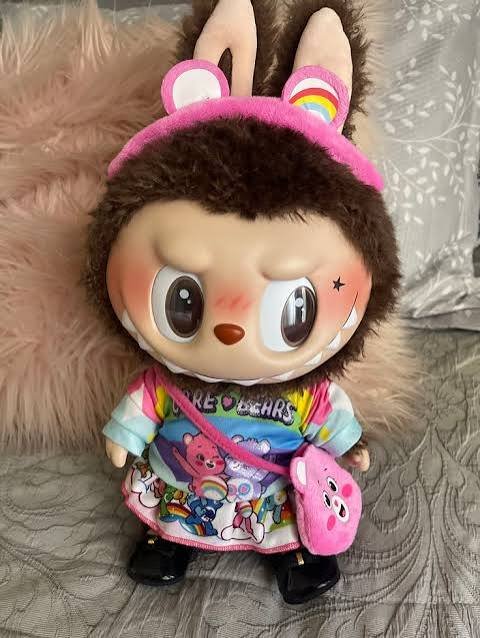
Before examining Pop Mart’s role, it is important to understand that Labubu was not originally created by the company. Labubu was developed by artist Kasing Lung as part of The Monsters, a fantasy-inspired character universe influenced by fairy tales and imaginative storytelling. The character’s distinctive appearance immediately separated it from conventional cute mascots. Pointed ears, large eyes, a wide toothy smile, and a mischievous expression gave Labubu a personality that could feel playful and slightly unusual at the same time. That visual identity became an important foundation for later collectible releases. Because the character already had a creative world behind it, new products could expand an existing identity instead of having to introduce an entirely new concept with every release.
Pop Mart’s Role in Expanding the Audience
Pop Mart played an important role in bringing Labubu to a significantly larger consumer audience. The company’s business model is built around designer toys and collectible characters, with products distributed through stores, online channels, vending machines, collaborations, and other retail formats. This infrastructure gave Labubu access to consumers in multiple markets. Instead of remaining primarily within specialist art-toy circles, the character could be discovered by casual shoppers who encountered a blind box in a retail environment or saw the figures through online content. The broader availability made discovery easier, while the collectible format encouraged customers to continue exploring different releases and characters.
Why the Blind-Box Format Matters
One of Pop Mart’s most recognizable strategies is the blind-box format. A blind box contains a figure selected from a particular series, but the exact design is not revealed until the package is opened. This simple concept changes the act of buying a toy into a moment of anticipation. Collectors may hope for a particular design, a rare secret figure, or a version that completes a series. The uncertainty can make opening each package feel like an event rather than an ordinary purchase. With Labubu, this format worked particularly well because the character could be presented through numerous costumes, themes, colors, poses, and seasonal concepts. Each release could feel familiar enough to belong to the same world while still offering something new.
Product Variety Kept the Character Fresh
Another important element in Labubu’s success has been the ability to reinterpret the character repeatedly. A recognizable character can become repetitive if every product looks almost identical, but different themes give collectors reasons to remain interested. Labubu has appeared in numerous visual concepts and product variations, allowing the character to take on different personalities without losing its core identity. This approach creates a balance between familiarity and novelty. A collector knows immediately what character they are looking at, yet a new series can still provide a different visual experience. This is particularly useful in collectible culture, where ongoing releases help maintain interest over a long period rather than relying on one launch.
Social Media Made Collecting Highly Visible
The growth of social media has transformed the collectible-toy industry. In the past, collecting was often a relatively private hobby, with enthusiasts sharing information through specialist communities, conventions, magazines, and forums. Platforms based on photographs and short videos have made the hobby much more visible. Labubu became particularly suited to this environment because the figures are visually distinctive and easy to photograph. Unboxing videos, collection displays, rare-figure discoveries, styling photographs, and fan-created content can introduce the character to people who had never previously encountered designer toys. Every post can also create another layer of curiosity, encouraging viewers to search for the character, learn about different series, or explore the wider Pop Mart ecosystem.
Celebrity Visibility and Cultural Conversation
Labubu’s visibility has also been influenced by appearances in celebrity and fashion-related settings. When recognizable public figures are seen carrying or displaying a collectible character, the object can enter conversations far beyond the traditional toy community. This does not mean celebrity exposure alone created Labubu’s popularity; rather, it contributed to an existing ecosystem of interest built around the character, products, and online communities. Fashion culture is particularly important because collectible accessories can become part of an individual’s appearance rather than remaining solely as objects for display. This helped Labubu cross between toy collecting, fashion, entertainment, and social-media culture.
Creating a Community Around Collecting
Pop Mart’s approach encourages a sense of participation that extends beyond purchasing individual products. Collectors may compare figures, discuss releases, trade duplicates, photograph displays, create fan art, and share their experiences online. This community element gives the hobby a social dimension. Labubu fans can become interested not only in owning a figure but also in discovering the stories, characters, designs, and different series connected with the wider universe. Communities can also help newcomers understand terminology, identify releases, and discover versions they might otherwise overlook. In this way, the audience contributes to the character’s visibility by producing content and conversations that continue between official releases.
The Importance of Character Personality
Labubu’s success also demonstrates the commercial value of a strong character personality. The design does not communicate a single emotion in an obvious way. The mischievous grin and unusual features create an expression that can appear funny, playful, curious, or slightly mysterious. This makes the character adaptable to different themes. A seasonal outfit can make Labubu feel festive, while another design can emphasize its adventurous or playful qualities. Strong character design gives creators a visual foundation that can support many products without losing recognition. For collectors, this consistency can create a stronger emotional connection because each new figure feels like another interpretation of a familiar character.
From Collectible Toy to Lifestyle Interest
One of the most significant developments in Labubu’s popularity is the movement beyond traditional collectible figures. Character-based products can extend into keychains, bags, accessories, plush items, fashion-related collaborations, and other merchandise. This expansion allows people to engage with the character at different levels. Someone may own a single small figure, while another collector may build an extensive display. A fan who does not consider themselves a traditional toy collector may still enjoy carrying a character accessory or following new releases online. This flexibility broadens the potential audience and demonstrates how contemporary characters can become lifestyle symbols rather than remaining confined to one product category.
Lessons From the Pop Mart and Labubu Story
The relationship between Pop Mart and Labubu offers several useful lessons about modern character-based businesses. A strong creative concept provides the foundation, but distribution and product strategy can determine how widely that concept travels. Collectible formats can encourage repeat engagement, while social media can transform individual purchases into shareable experiences. Community participation can further extend the life of a product by creating conversations between official releases. Most importantly, the character needs enough visual personality to remain recognizable while being flexible enough for new interpretations. Labubu demonstrates how these elements can work together to create an ecosystem rather than a single successful product.
The Continuing Evolution of Labubu
La bubu story continues to develop as new designs, collaborations, collections, and forms of merchandise introduce the character to different audiences. The challenge for any successful collectible character is maintaining interest without losing the identity that made it recognizable in the first place. Continued creativity can help address this challenge by offering fresh themes while preserving familiar characteristics. As consumers increasingly discover fashion, entertainment, art, and collectibles through digital platforms, characters with strong visual identities have opportunities to move between different cultural spaces. Labubu’s continuing presence illustrates how a character can evolve while remaining connected to its original creative foundation.
Final Thoughts on Pop Mart and Labubu
The success of Pop Mart at Labubu is best understood as the result of several connected forces rather than a single marketing trick. Kasing Lung’s distinctive character design created a memorable foundation, while Pop Mart’s collectible model, blind-box experience, distribution network, product variety, and community-driven ecosystem helped introduce Labubu to a much broader audience. Social media and celebrity visibility further expanded awareness, allowing the character to move into conversations about fashion, lifestyle, and contemporary pop culture. The story demonstrates how modern collectibles can become much more than objects on a shelf. When a strong character, creative storytelling, accessible products, and an active community come together, a collectible can develop a cultural identity of its own. Labubu’s journey with Pop Mart provides a fascinating example of how designer toys have evolved into a global form of creative and social expression.