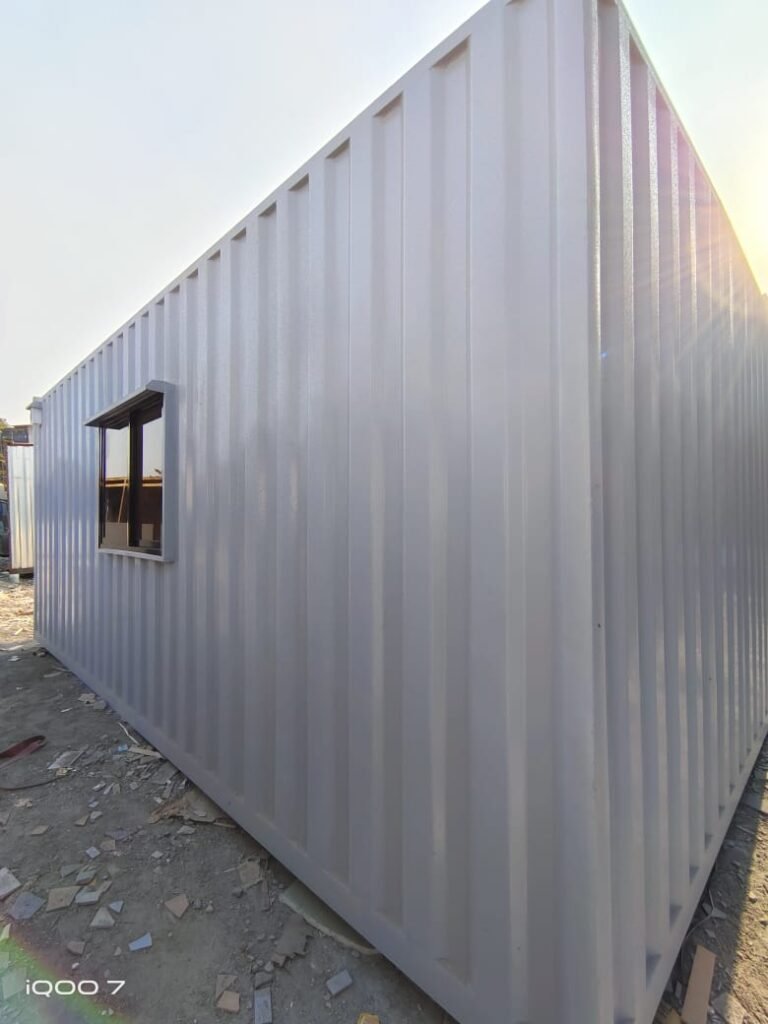

Container homes in India have moved from experimental curiosity to a serious housing option. Rising land and material costs, long construction timelines, and a growing interest in sustainable living have pushed many buyers to look beyond bricks and concrete. A container house, built from steel shipping containers or purpose-built modular steel units, offers a faster and often more affordable route to a finished home.
This guide covers how container houses work, what they cost, their pros and cons, the rules to check, and how to choose among container home manufacturers.
What Is a Container Home?
A container home is a dwelling made from one or more steel containers, typically 20 ft or 40 ft long. These are cut, reinforced, insulated, and fitted with doors, windows, wiring, plumbing, and interiors. Two approaches are common:
Repurposed shipping containers: Used containers are cleaned, treated for rust, and converted. This is the most recognisable form.
Purpose-built container units: Manufacturers fabricate new steel modules to container dimensions. These often come with better insulation, cleaner finishes, and more predictable quality.
Several containers can be combined side by side or stacked to create multi-room homes, farmhouses, cafés, offices, or guest cabins.
Why Container Homes Are Gaining Popularity in India
Speed of construction. Most of the work happens in a factory while site preparation and foundations are done in parallel. Many projects are completed in weeks rather than the many months a conventional house requires.
Cost control. Costs are more predictable because the structure is standardised. Small and mid-sized container homes are often cheaper than conventional construction, though savings depend on finish level, insulation, and customisation.
Sustainability. Reusing steel containers reduces demand for new bricks, cement, and sand. Less on-site construction also means less waste and less disturbance to the plot.
Portability. A container home can be relocated, which suits people on leased land, remote project sites, or those who may move later.
Strength and durability. Containers are designed to survive heavy loads and rough transport. With proper treatment, they can last for decades.
Typical Uses
Farmhouses and weekend homes
Resort cabins, glamping units, and homestays
Site offices and labour accommodation
Cafés, shops, and pop-up retail
Compact urban or semi-urban residences
Guest rooms and home offices in an existing compound
Understanding Costs
Costs vary widely by region, container condition, size, interior quality, and the manufacturer. Basic units are usually priced per square foot, while premium homes with full interiors, air conditioning, and designer finishes cost noticeably more.
Budget for these elements:
Container or module cost
Structural modification and reinforcement
Insulation and weatherproofing
Electrical, plumbing, and fixtures
Interiors and furniture
Transport and crane charges
Foundation and site preparation
Local approvals
Always ask for a detailed written quote that separates these items. A low headline price may leave out insulation, transport, or installation. Prices change often, so compare current quotes from at least three suppliers.
Challenges to Consider
Heat. Steel conducts heat, and much of India has hot summers. Without good insulation, reflective roof coatings, ventilation, and shading, a container can become uncomfortably warm. Quality insulation is not optional.
Rust and moisture. In coastal or high-rainfall regions, corrosion is a real concern. Proper anti-rust treatment, quality paint systems, and regular maintenance are essential.
Space limitations. Standard containers are narrow, so layouts need careful planning. Combining units can solve this, but it adds cost.
Approvals. Municipal and panchayat rules differ. Some authorities are unfamiliar with container structures, so approval can take extra effort.
Quality variation. The market includes both excellent and poor-quality builders. Used containers may have hidden damage or past chemical exposure, so inspection matters.
Legal and Regulatory Points
Before buying, check:
Land use: Confirm the plot is zoned for residential, agricultural with permitted dwelling, or commercial use, as relevant.
Building permission: Ask your local authority whether container structures need plans, a structural certificate, or a completion certificate.
Utility connections: Electricity, water, and sewage connections may require documentation.
Bank financing: Home loans for container homes can be harder to get. Many buyers self-fund, so confirm early if you need credit.
Rules differ by state and city, so speak to a local architect or the municipal office before committing.
Design Ideas That Work
Single 40 ft unit: A compact studio or one-bedroom home.
Two units side by side: A wider living area with a bedroom and bathroom.
Stacked units: A two-storey home with a small footprint.
Courtyard layout: Several containers around an open space for light and airflow.
Green roof or pergola: Reduces heat and adds shade.
Large windows, cross-ventilation, false ceilings, and light colours help the interior feel open and cool.
How to Choose Container Home Manufacturers
Choosing the right container home manufacturers in India is the most important decision in the project. Evaluate them on these points:
Experience and portfolio. Ask for completed projects, photographs, and customer references. Visit a finished unit if you can.
Material quality. Ask what steel grade is used, whether containers are new or used, and how they are treated against rust.
Insulation and climate suitability. A good manufacturer will recommend insulation, roofing, and ventilation suited to your region’s climate.
Customisation. Check whether they offer design support, flexible layouts, and interior options.
Transparent pricing. Insist on a detailed, itemised quotation and a clear payment schedule linked to milestones.
Warranty and after-sales support. Ask what the warranty covers and who handles repairs.
Delivery and installation. Confirm who manages transport, crane work, and on-site assembly, and what the timeline is.
Compliance support. Some manufacturers can provide structural drawings or documentation that help with local approvals.
Tips for First-Time Buyers
Start with a clear budget and purpose.
Visit the factory to see the build process.
Do not pay a large advance without a written agreement.
Plan the foundation and drainage properly.
Prioritise insulation over decorative finishes.
Keep a contingency of around 10 to 15 percent for unexpected costs.
Conclusion
Container homes in India offer a practical blend of speed, affordability, and sustainability, especially for farmhouses, cabins, offices, and compact residences. They are not right for every buyer, and heat control, approvals, and manufacturer quality need serious attention. With good research, a realistic budget, and a reliable manufacturer, a container house can become a durable, stylish, and economical home. Take your time comparing quotes, inspect completed work, and confirm local rules before you start.