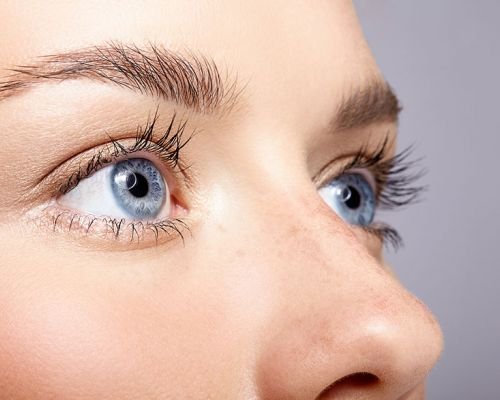

The eyes play an important role in facial expression, communication, and overall appearance. Changes in the upper eyelids, including excess skin, reduced definition of the eyelid crease, or a heavier appearance around the eyes, can influence how the face looks at rest. For some people, these changes develop gradually with age, while others may notice them because of their natural eyelid structure. Upper blepharoplasty is a surgical procedure that focuses on the upper eyelids, with treatment planning tailored to the individual’s facial features and aesthetic preferences.
When considering Upper Blepharoplasty in London, many patients want to understand how a refreshed appearance can be achieved without making the eyes look noticeably different. Natural-looking results are not defined by removing as much skin as possible. Instead, they depend on careful assessment, an understanding of eyelid anatomy, and a treatment plan that respects the patient’s existing facial characteristics.
At Bodyvie Clinic, understanding the relationship between the upper eyelids and the rest of the face is an important consideration when discussing aesthetic treatment options. Every patient has different eyelid contours, skin characteristics, and expectations. A personalised consultation helps establish what may be appropriate for their individual needs.
Understanding What Natural-Looking Upper Eyelid Results Mean
Natural-looking results generally involve maintaining the distinctive features of a person’s eyes while addressing concerns associated with excess upper eyelid skin. The objective is not necessarily to create a dramatic change. For many patients, the preferred outcome is a more defined eyelid contour that remains consistent with their natural appearance.
The upper eyelids vary considerably between individuals. Some people naturally have a prominent eyelid crease, while others have a less visible crease or a different relationship between the brow and eyelid. These differences are influenced by anatomy, genetics, skin distribution, and facial structure.
During treatment planning, these characteristics need to be considered together rather than focusing on one isolated feature. A plan that suits one person’s eyelids may not be appropriate for someone with a different brow position or eye shape.
The meaning of a natural result also depends on the patient’s preferences. Some individuals want a subtle refinement, while others may be concerned about skin that rests close to their eyelashes. Discussing these priorities helps the clinician understand the desired degree of change before recommending a suitable approach.
How Facial Features Influence Treatment Planning
Upper eyelid appearance is closely connected to the surrounding facial structures. The eyebrows, forehead, eye sockets, and lower eyelids all contribute to the overall appearance of the eyes. Consequently, upper blepharoplasty planning should take the wider facial context into account.
The Relationship Between the Eyebrows and Upper Eyelids
Brow position can significantly influence how much skin appears to rest over the upper eyelids. A naturally lower brow may contribute to a heavier appearance, even when the amount of excess eyelid skin is relatively limited.
During a consultation, the clinician may assess the position of the eyebrows in relation to the eyes and forehead. This helps determine whether the patient’s concerns are primarily associated with the upper eyelid skin or whether brow position also contributes to the appearance.
Understanding this distinction is important because removing upper eyelid skin does not correct every concern involving the upper facial area. Treatment recommendations should reflect the source of the concern rather than assume that one procedure will address all visible changes.
Preserving the Natural Eye Shape
Eye shape is another important consideration when planning Upper Eyelid Surgery In London. The natural contour of the eyelids, the position of the inner and outer corners, and the visibility of the eyelid crease all influence facial identity.
A suitable treatment plan should account for these features instead of aiming to create a standardised appearance. The amount and distribution of skin considered for removal need to be evaluated in relation to the existing eyelid structure.
The goal is to refine the upper eyelid contour while maintaining its natural relationship with the surrounding tissues. This individualised approach helps ensure that aesthetic preferences are considered alongside anatomical factors.
Why a Detailed Consultation Matters Before Upper Blepharoplasty
A consultation provides an opportunity to discuss the patient’s concerns, examine the upper eyelids, and establish realistic expectations. It also allows the clinician to explain how the procedure may relate to the patient’s existing facial anatomy.
Before recommending treatment, the clinician may ask when the eyelid changes became noticeable, which features concern the patient most, and whether the desired outcome is subtle or more pronounced. These discussions help distinguish between concerns about excess skin, eyelid crease definition, and the overall appearance of the brow area.
The assessment may include an examination of the eyelid skin, natural creases, brow position, and the symmetry between both eyes. Previous eye procedures, relevant medical history, and current eye-related concerns may also be discussed where appropriate.
Patients should have the opportunity to explain what they would like to preserve about their appearance. For example, someone may wish to retain a particular eyelid fold or avoid a noticeably altered eye shape. Communicating these preferences helps guide the conversation about suitable treatment options.
A consultation at a Blepharoplasty Clinic in London should also provide clear information about the procedure, the expected recovery process, and the likely extent of change. This allows patients to make an informed decision based on their individual circumstances.
How Skin Quality and Eyelid Anatomy Affect the Plan
The characteristics of the upper eyelid skin can influence how treatment is approached. Skin thickness, elasticity, the distribution of excess tissue, and the existing eyelid crease all contribute to the appearance of the area.
Some patients have a relatively small amount of loose skin concentrated near the outer eyelid, while others have a more widespread fold extending across the upper lid. These differences mean that the same treatment approach may not be appropriate for everyone.
The clinician also needs to consider the underlying eyelid structures. The upper eyelid contains tissues that contribute to eyelid movement and closure, so treatment planning requires an understanding of the anatomy beneath the skin.
The aim is not simply to make the upper eyelid look more open. It is to determine how the visible skin affects the existing contour and what degree of change may be suitable. The assessment should consider both appearance and the normal function of the eyelids.
Age can also influence treatment planning, but chronological age alone does not determine suitability. Two people of the same age may have very different skin characteristics, facial proportions, and aesthetic priorities. An individual assessment is therefore more useful than applying a fixed treatment approach based on age.
Balancing Both Eyes While Respecting Natural Asymmetry
Facial symmetry is often discussed in aesthetic treatment, but naturally occurring differences between the two sides of the face are common. One eyebrow may sit slightly higher than the other, or one eyelid crease may be more visible.
These differences can influence the appearance of the upper eyelids and should be considered before surgery. The clinician may assess each eyelid separately while also evaluating how the two sides look together.
The objective is not necessarily to create perfectly identical eyelids. Attempting to eliminate every natural difference may overlook the patient’s existing anatomy and individual facial characteristics.
Instead, treatment planning should consider whether the asymmetry is related to skin distribution, brow position, or another anatomical feature. Discussing these observations helps establish realistic expectations about the degree of balance that may be achievable.
Patients can also explain whether a particular side concerns them more than the other. This information contributes to a more focused consultation and helps the clinician understand the desired outcome.
Setting Realistic Expectations for Natural Results
Realistic expectations are essential when planning upper blepharoplasty. Although the procedure may improve the appearance of excess upper eyelid skin, the extent of change depends on individual anatomy and the treatment approach.
Patients should understand that natural-looking results do not necessarily mean that every visible fold will disappear or that both eyelids will become identical. Existing facial characteristics may remain, and the final appearance can differ from one person to another.
It is also important to understand that the appearance of the eyelids changes during recovery. Initial swelling and temporary changes in the tissues can make it difficult to judge the outcome immediately after surgery. The eyelids need time to settle before the results can be assessed more reliably.
During the consultation, the clinician can explain the anticipated changes and discuss how recovery may affect the appearance of the area. Patients should feel comfortable asking questions about the expected degree of refinement and the features that may remain unchanged.
Clear communication helps align the treatment plan with the patient’s preferences and reduces the likelihood of expecting a result that is inconsistent with their natural anatomy.
The Importance of Individualised Surgical Planning
An individualised approach is central to planning upper blepharoplasty. Although the procedure is designed to address concerns involving the upper eyelids, the specific plan should be based on the patient’s anatomy, facial proportions, and desired outcome.
For some patients, the main concern may be a fold of excess skin near the eyelashes. For others, the issue may involve the definition of the eyelid crease or the way the upper eyelids appear in relation to the eyebrows.
The clinician must determine which features are contributing to the concern before discussing the appropriate treatment. This may involve considering whether upper blepharoplasty alone is suitable or whether another approach should be discussed. Additional procedures should not be assumed to be necessary simply because they are available.
A well-planned consultation also gives patients the opportunity to consider whether surgery matches their expectations and personal priorities. They should receive an explanation of the proposed approach, the intended changes, and the limitations of treatment before making a decision.
Choosing an experienced clinician and discussing the details of the plan carefully can help patients understand how their natural features will be taken into account throughout the process.
What Patients Can Discuss During Their Consultation
Preparing for a consultation can help patients communicate their expectations more clearly. Rather than focusing only on wanting younger-looking eyes, it may be helpful to describe the specific features that appear different or that they would like to refine.
Useful discussion points include:
- Whether excess skin is the main concern or whether the eyelid crease also appears less defined.
- How the upper eyelids look when the face is relaxed.
- Which natural features of the eyes the patient would prefer to preserve.
- Whether the eyebrows appear uneven or contribute to the heavier appearance.
- What degree of change the patient considers appropriate.
- How the procedure may affect the appearance of the eyelids during recovery.
- What outcome is realistic given the patient’s anatomy and skin characteristics.
These discussions allow the clinician to explain the available options in a way that relates directly to the patient’s concerns. They also provide an opportunity to clarify misunderstandings about what upper blepharoplasty can achieve.
Conclusion
Natural-looking results are an important consideration when planning upper blepharoplasty. Achieving an appropriate outcome involves more than addressing excess skin; it requires an understanding of eyelid anatomy, brow position, facial proportions, skin characteristics, and the patient’s personal preferences.
When considering Upper Blepharoplasty in London, patients should look for an individualised assessment that prioritises realistic expectations and respects their existing facial features. A detailed consultation helps establish which changes may be appropriate, what the procedure can reasonably achieve, and how the treatment plan can be tailored to the individual’s needs.
At Bodyvie Clinic, patients can discuss their concerns and learn more about the considerations involved in upper eyelid surgery. Taking time to understand the proposed approach and communicate personal goals can help patients make an informed decision about whether the procedure is suitable for them.
Frequently Asked Questions
1. What does a natural-looking result mean in upper blepharoplasty?
A natural-looking result generally means refining excess upper eyelid skin while maintaining the person’s existing eye shape and facial characteristics. The objective is an appropriate improvement rather than a standardised appearance.
2. How is a natural result planned before upper eyelid surgery?
Planning typically involves assessing the eyelid skin, crease, brow position, facial proportions, and differences between the two eyes. The clinician also considers the patient’s preferences and explains what changes may be realistic.
3. Can upper blepharoplasty change my natural eye shape?
The procedure can alter the appearance of the upper eyelid contour because it addresses excess skin. Careful planning considers the existing eye shape and surrounding anatomy when determining an appropriate approach. Individual outcomes vary.
4. Why is brow position important when planning upper blepharoplasty?
The eyebrows influence how the upper eyelids appear. A lower brow can contribute to a heavier-looking upper eyelid, so assessing brow position helps the clinician understand which features are contributing to the patient’s concerns.
5. Will both eyes look exactly the same after surgery?
Perfect symmetry cannot be guaranteed. Natural differences in brow position, eyelid structure, and facial anatomy may remain. Treatment planning aims to consider these differences and establish realistic expectations.
6. How does the surgeon decide how much eyelid skin to remove?
The decision depends on the amount and distribution of excess skin, the existing eyelid anatomy, and the patient’s treatment goals. The plan must also account for normal eyelid function rather than focusing solely on appearance.
7. How long does it take to see the results of upper blepharoplasty?
The appearance changes during recovery as swelling settles and the tissues gradually heal. The timing varies between individuals, and the clinician can explain when the result is likely to be more suitable for assessment.
8. Is upper blepharoplasty suitable for everyone who has heavy-looking eyelids?
Not necessarily. A heavy appearance can be associated with excess eyelid skin, brow position, or other anatomical factors. A consultation helps determine the likely cause of the concern and whether upper blepharoplasty is an appropriate option.
9. What should I ask during an upper blepharoplasty consultation in London?
Patients can ask how their natural eye shape will be considered, what changes are realistic, how the proposed treatment relates to their brow position, and what to expect during recovery. They should also discuss their medical history and any existing eye-related concerns.
10. Where can I learn more about upper blepharoplasty in London?
Patients can contact Bodyvie Clinic to discuss their upper eyelid concerns and arrange a consultation. An individual assessment can help explain the procedure, the treatment-planning process, and whether it may be appropriate for their needs.