


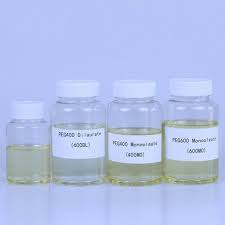

PEG esters are compounds formed from polyethylene glycol and fatty acids, and they act as emulsifiers, solubilizers and lubricants in creams, lotions and industrial mixes. They help oil and water blend into smooth, stable products that spread easily on skin and surfaces. Makers use grades such as polysorbate 80, ceteareth-20 and PEG-100 stearate for varied textures and uses. The compounds also appear in pharma, food, textile and paper processing.
A recent study by Markntel Advisor highlights that the Global Peg Esters industry was valued at 2.46 million tons in 2025 and is projected to grow from 2.58 million tons in 2026 to 3.43 million tons by 2032, registering a CAGR of 4.86% during 2026–2032. Asia-Pacific held 46% of the total in 2026, while PEG-40 Hydrogenated Castor Oil accounted for 33%.
Why Personal Care Shelves Carry So Many PEG Ester Blends
Personal care shelves carry many PEG ester blends because creams, lotions, shampoos and sunscreens all need oil water mixes. The personal care end user type accounted for nearly 32% of the total in 2026, as buyers use more skincare, haircare and cosmetic products. Brands pick grades that suit skin feel, foam and rinse, and they test blends for stability in heat and cold. Shelves show the result in soft textures.
PEG-40 Hydrogenated Castor Oil held 33% of the total in 2026 because it works well as an emulsifier and solubilizer in cosmetics and pharma formulas. It helps oils dissolve in water based products and keeps blends clear and stable on shelves. Makers use it in serums, lotions, shampoos and oral liquids where clarity matters. Buyers rarely see its name on packs, yet it shapes how products look and feel.
How Emulsifiers Blend Oil And Water Inside Creams And Lotions
Emulsifiers blend oil and water inside creams and lotions by sitting at the boundary between oil drops and water. They stop drops from joining and splitting, so a cream stays smooth through storage, shipping and daily use. Formulators pick the emulsifier dose by oil load, pH and desired texture, and they test each batch for separation. A stable emulsion pours well, spreads evenly and feels light and smooth on skin.
The United States Food and Drug Administration oversees cosmetics safety and labelling rules that brands must follow when they sell creams and lotions. Makers list ingredients on packs, follow good manufacturing practice and test products for safety before sale. PEG esters appear on labels under names such as polysorbate 80 and PEG-100 stearate. Buyers who read labels can spot the emulsifiers inside their daily creams.
Where Asia Pacific Factories Mix The Most PEG Ester Batches
Asia Pacific factories mix the most PEG ester batches because the region held 46% of the total in 2026, led by China. Chinese plants supply personal care, pharma and industrial buyers at home and abroad, and they run large emulsifier lines. India, Japan and Korea add orders through cosmetics, soaps and pharma work. Suppliers ship grades in drums, tanks and totes to formulators across the region.
Ashland, BASF, Croda Inc., Clariant, Evonik, Ethox Chemicals, Jeen International and Lamberti S.p.A. stand among the PEG esters makers named in the study, alongside Nikko, Sabo, Seppic, Solvay, Hallstar, Vantage, Unitop Chemicals and Lonza. These firms sell emulsifier grades to personal care, pharma and industrial buyers. Formulators compare their grades for solubility, skin feel, stability and price before choosing a supplier for long runs.
What Formulators Check Before Adding PEG Esters To A Recipe
Formulators check before adding PEG esters to a recipe the grade, the dose, the pH range and the other ingredients in the mix. They test small batches for stability, texture, odour and skin feel before scaling up. They confirm the grade suits the product type, whether a cream, a lotion, a shampoo or an oral liquid. Records of each test guide the final formula and later batches.
PEG esters keep creams, lotions and industrial mixes smooth, stable and easy to use for makers and buyers alike. Personal care uses, Asia Pacific volumes and PEG-40 Hydrogenated Castor Oil anchor the picture, while new grades widen choice for formulators. Buyers who read labels can spot the emulsifiers that give daily products their soft feel on shelves.
Where Everyday Creams Lotions And Shampoos Get Their Smooth Texture
PEG esters help oil and water blend into smooth, stable creams, lotions, shampoos and industrial mixes. Personal care brands use them for skin feel, foam and rinse, while pharma, food, textile and paper makers use grades that suit varied textures and duties. Formulators who test small batches can shape texture and shelf life.


