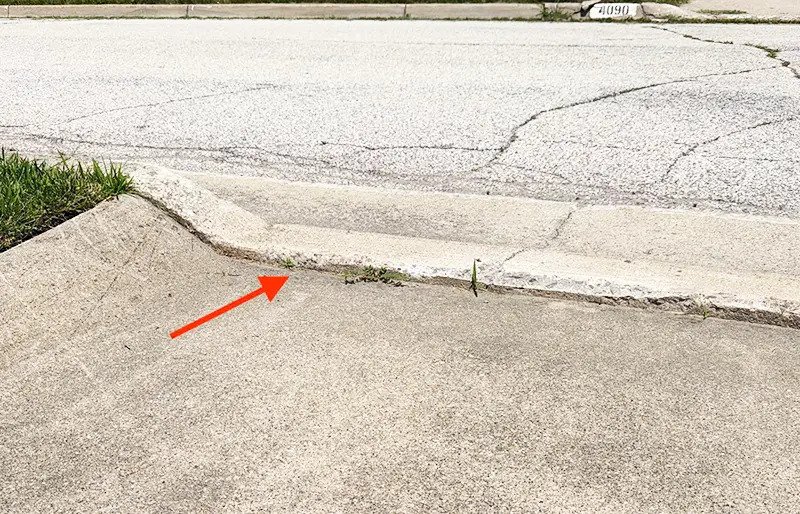

Uneven concrete can become a problem at any time of the year. A sunken driveway, raised sidewalk edge, or uneven patio can affect how you use your outdoor spaces. However, many homeowners wonder if there is a particular season that is better for concrete leveling.
The good news is that concrete leveling can often be performed during multiple seasons. The best time depends on the weather, ground conditions, repair method, and the severity of the settlement.
Is Spring a Good Time for Concrete Leveling?
Spring is a common time for homeowners to inspect outdoor concrete surfaces after winter.
Freezing and thawing cycles, moisture changes, and soil movement can contribute to uneven concrete. Once the weather becomes more stable, it is easier to identify areas that may need attention.
Spring can also be a good time to address drainage issues before heavier seasonal rainfall creates additional problems.
Can Concrete Be Leveled During Summer?
Summer can offer suitable conditions for concrete leveling, especially when the ground is not excessively wet and temperatures are within the recommended range for the repair materials.
Homeowners often use this season to repair driveways, patios, sidewalks, and pool decks before outdoor activities become more frequent.
However, extremely hot temperatures and dry conditions can affect certain repair materials and working conditions. Contractors should consider the weather before scheduling the work.
Is Fall Suitable for Concrete Leveling?
Fall can also be a practical time to repair uneven concrete.
Temperatures are generally more moderate than during peak summer, and homeowners can address settlement issues before winter arrives.
Repairing uneven surfaces before freezing weather may help reduce certain safety concerns, especially around walkways and driveways.
If water is collecting in sunken areas, addressing the problem before winter can also help prevent additional complications.
Can Concrete Leveling Be Done in Winter?
Winter repairs may be more challenging because freezing temperatures and frozen ground can affect the repair process.
The suitability of winter concrete leveling depends on the specific method, material requirements, and site conditions. Some repair products have temperature limitations, and contractors may need to postpone work during unsuitable weather.
If you notice a serious tripping hazard or significant concrete settlement during winter, it is still worth arranging an inspection to understand your options.
What Should You Consider Before Scheduling Concrete Leveling?
The season is only one part of the decision. A few other factors can influence when the work should be done:
- Ground conditions: Excessively wet, frozen, or unstable soil may affect the repair.
- Weather forecast: Heavy rain, extreme temperatures, or freezing conditions may affect scheduling.
- Type of concrete: Driveways, sidewalks, patios, and other surfaces may have different repair requirements.
- Repair method: Different leveling materials have different temperature and moisture requirements.
- Severity of settlement: Areas creating immediate safety concerns should be assessed promptly.
Schedule Repairs When Conditions Are Right
There is no single season that works best for every concrete leveling project. Spring, summer, and fall can all offer suitable conditions, while winter work depends more heavily on temperatures and ground conditions.
Professional Concrete Leveling Services St. Louis homeowners consider can help determine whether the surface is suitable for repair and when the work should be scheduled.
Rather than waiting for a particular season, pay attention to signs of sinking and unevenness. Addressing the issue when conditions are suitable can help restore your concrete surfaces before the problem becomes more difficult to manage.