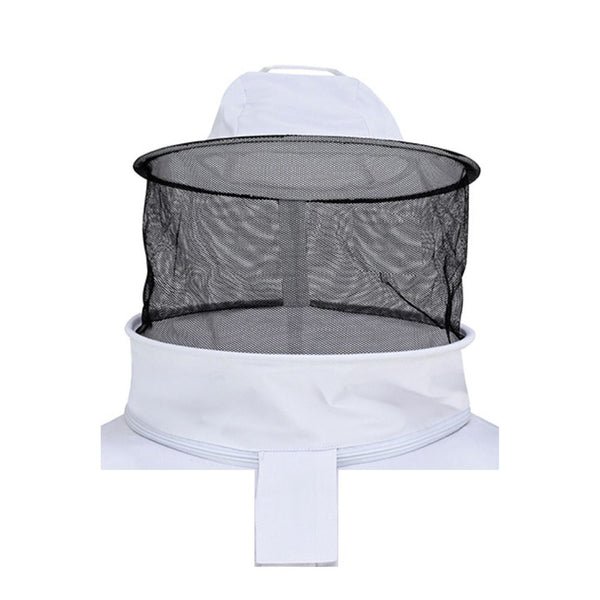

Beekeeping Veil: How to Choose Head Protection That Fits Your Routine
A beekeeping veil protects the face and neck with a fine mesh barrier while allowing beekeepers to see and work around honeybee colonies. It is an important part of protective equipment for routine hive inspections, colony management, and honey harvesting.
The right veil should feel comfortable throughout an inspection, not just when you first put it on. Its shape, stability, visibility, and attachment system all influence how easily you can handle frames and move around your apiary.
Why Does Your Beekeeping Routine Matter When Choosing a Veil?
Different hive activities place different demands on protective headwear. A quick colony check may involve only a few minutes near an open hive, while detailed brood inspections require sustained concentration and close observation.
A veil that shifts or obstructs your vision can make these tasks frustrating. Choosing a design that stays positioned during movement helps you work more comfortably.
Regardless of your experience, protective mesh should remain separated from your skin because bees can sting through material that touches the face.
Which Beekeeping Veil Design Fits Your Needs?
Two common styles are fencing veils and round veils. Both provide protective mesh coverage, but their supporting structures differ.
Fencing Veils for Detailed Inspections
A fencing beekeeping veil features a structured hood with a front viewing panel. Its shape creates a defined area for looking at frames, checking brood development, and observing colony activity.
Many fencing styles connect directly to compatible protective jackets or suits.
Round Veils for Flexible Viewing
Round veils use a circular brim to support mesh around the head. They provide viewing space in several directions, which can be useful when moving between hives.
Bee Armor offers fencing and rounded veil options for beekeepers comparing different designs.
What Makes a Beekeeping Veil Comfortable?
Comfort depends on how the veil supports your head and maintains its position.
Adequate Face Clearance
The mesh should stay away from your nose, cheeks, ears, and forehead, including when you bend forward.
Stable Head Support
A properly supported veil should not collapse or shift excessively when you turn your head.
Clear Mesh Visibility
Good visibility helps you inspect brood cells, locate the queen, and identify changes in colony behavior.
Secure Neck Coverage
The attachment system should close completely without leaving openings where bees could enter.
How Can You Check Compatibility Before Buying?
Not every veil connects to every beekeeping jacket or suit.
Some designs use specific zipper arrangements, while others rely on different fastening systems.
Before ordering a replacement bee veil, compare the attachment type with your existing protective clothing.
Check the manufacturer’s compatibility information and confirm whether the veil is intended for your particular jacket or suit model.
What Should You Do Before Every Hive Inspection?
Protective headwear should be checked before approaching active colonies.
Examine the mesh for holes, tears, or loose stitching. Confirm that all attachments close properly.
Put on the veil and test your movement by turning your head, looking downward, and bending forward.
If the mesh touches your face or the neckline opens during movement, adjust the fit before starting your inspection.
How Should You Maintain Your Veil?
After hive work, remove debris carefully and inspect the mesh for damage.
Follow the manufacturer’s cleaning instructions to avoid weakening the fabric or supporting structure.
Allow the veil to dry completely before storage. Avoid crushing structured frames or placing sharp equipment against the mesh.
Frequently Asked Questions
1. What is the main purpose of a beekeeping veil?
It provides protective mesh coverage around the face and neck while allowing visibility during hive inspections.
2. Can bees sting through a beekeeping veil?
Yes. Bees may sting through damaged mesh or material that presses against the skin.
3. Is a fencing veil suitable for beginners?
Yes. Fencing veils can be suitable for beginners when correctly fitted and securely attached to compatible protective clothing.
4. Are round veils comfortable for long inspections?
They can be, provided the supporting brim remains stable and the mesh stays away from the face.
5. Can I wear glasses under a beekeeping veil?
Yes. Choose a design with sufficient clearance around your glasses and face.
6. Do all replacement veils fit every bee suit?
No. Attachment systems vary, so compatibility should be confirmed before purchasing.
7. How often should a beekeeping veil be replaced?
Replace it when damaged mesh, weakened stitching, or faulty attachments can no longer maintain reliable coverage.
Final Thoughts
Choosing a suitable beekeeping veil involves understanding your inspection routine, preferred design, and existing protective clothing. Clear visibility, comfortable headroom, secure connections, and regular maintenance are essential. A properly fitted veil helps support more comfortable hive work while reducing direct exposure around the face and neck.