
Brisbane homeowners are increasingly looking for practical ways to reduce electricity costs, improve energy independence, and make better use of renewable energy. With abundant sunshine throughout much of the year, solar power is a natural choice for many properties across Brisbane and surrounding suburbs. However, choosing the right solar system is only one part of the process. Selecting reliable Solar Energy Providers Brisbane homeowners can trust is equally important.
A suitable solar provider can help assess your property, recommend an appropriately sized system, explain available technology, arrange professional installation, and provide ongoing support. Solahart Strathpine & Redcliffe is a local dealership providing solar power systems, solar hot water, battery storage, and energy management solutions for homes and businesses.
This guide explains what Brisbane homeowners should consider when comparing solar providers and planning a solar energy system.
Understanding Solar Energy for Brisbane Homes
A residential solar system uses photovoltaic (PV) panels to convert sunlight into electricity. The electricity generated can be used to power household appliances, lighting, cooling systems, hot water systems, and other electrical equipment.
When solar generation is higher than household demand, the excess electricity may be exported to the electricity grid or stored in a compatible battery system. At night or during periods of low solar production, homeowners can use stored energy or draw electricity from the grid.
The basic components of a residential solar setup can include:
- Solar panels
- Solar inverter
- Mounting system
- Electrical protection equipment
- Monitoring technology
- Solar battery storage, where required
The ideal combination depends on the home’s energy consumption, roof design, available sunlight, budget, and future electricity requirements.
Why Brisbane Homeowners Consider Solar Power
Brisbane’s climate provides many opportunities for residential solar generation. However, solar panels do not automatically guarantee maximum savings. The results depend on how much electricity a household consumes, when that electricity is used, the size and orientation of the system, and electricity pricing.
One major advantage of solar power is the ability to generate electricity during daylight hours rather than purchasing all electricity from the grid. Households that use appliances during periods of solar generation can make effective use of their own electricity.
Solar can also provide a renewable alternative to electricity generated from conventional energy sources. For homeowners interested in reducing their environmental impact, generating electricity from sunlight can be an important part of a broader energy strategy.
Choosing the Right Solar Energy Provider
There are many factors to consider when comparing Solar Energy Providers Brisbane homeowners may encounter. Price should not be the only consideration.
1. Experience and Industry Knowledge
Solar technology continues to develop, so experience can be valuable when selecting an installer. An experienced provider should understand different panel technologies, inverter options, battery systems, roof types, electrical requirements, and local installation considerations.
Ask potential providers how long they have been operating, what types of systems they install, and whether their installers hold the relevant qualifications and accreditations.
2. Quality of Solar Equipment
Solar systems can operate for many years, making equipment quality an important consideration. Homeowners should look beyond the headline system size and investigate the specifications of the panels, inverter, battery, and other components.
Important questions include:
- What panel technology is being proposed?
- What inverter is included?
- What product warranties apply?
- Is monitoring available?
- How is the equipment expected to perform under Brisbane conditions?
- Are replacement or servicing options available?
A reputable provider should be able to explain these details clearly without relying on complicated technical language.
3. System Design
Every property is different. A system designed for one Brisbane home may not be suitable for another.
A professional assessment should consider roof orientation, roof pitch, shading, available installation space, household electricity consumption, and future energy requirements.
For example, a home with significant daytime electricity use may benefit from a system designed around daytime solar generation. Another household that consumes more electricity in the evening may need to consider battery storage or a different approach to energy management.
4. Professional Installation
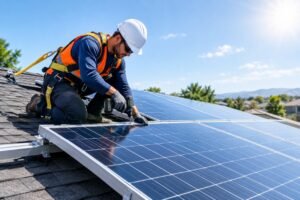
Even high-quality solar equipment can perform poorly if it is incorrectly installed. Installation involves electrical work, roof mounting, system configuration, safety considerations, and connection requirements.
Homeowners should ensure the provider uses appropriately qualified professionals and follows applicable Australian standards and installation requirements.
The installation process should also include appropriate system testing and commissioning so the homeowner understands how the system operates.
Solar Panels and System Size
Solar systems are commonly described by their capacity in kilowatts (kW). A larger system can potentially generate more electricity, but bigger is not always better.
The appropriate capacity depends on household electricity consumption and the property’s ability to accommodate the panels.
Before choosing a system size, homeowners should review recent electricity bills and consider:
- Average daily electricity consumption
- Seasonal changes in energy use
- Daytime versus nighttime consumption
- Air-conditioning requirements
- Pool pumps and other major appliances
- Future changes to the household
- Interest in adding a battery
For instance, a household with high daytime electricity consumption may use a significant portion of its solar generation directly. A household with lower daytime consumption may generate surplus electricity that could be exported or stored.
Solar Battery Storage in Brisbane
Solar batteries have become an important consideration for homeowners who want greater control over how they use generated electricity.
Without a battery, excess solar electricity may be exported to the grid depending on the home’s configuration and electricity plan. With battery storage, surplus generation can be stored for later use.
A battery may be useful for households that:
- Use considerable electricity after sunset
- Want to increase self-consumption of solar energy
- Have suitable solar generation during the day
- Want greater energy independence
- Are considering future changes in electricity use
Battery systems come in different capacities and configurations. The correct size should be based on household consumption rather than simply selecting the largest available battery.
A qualified solar provider can assess energy usage and explain whether battery storage is appropriate for the property.
Solar Hot Water as Part of a Home Energy Strategy
Solar energy is not limited to electricity generation. Solar hot water systems can also help Brisbane households use renewable energy for one of their major household energy requirements.
Hot water can account for a substantial portion of household energy consumption. Solar hot water technology uses sunlight to heat water, reducing reliance on conventional energy sources under suitable conditions.
When comparing Solar Energy Providers Brisbane, homeowners who are interested in broader energy solutions may want to ask whether the provider also offers solar hot water systems.
Solahart Strathpine & Redcliffe provides solar power, solar hot water, battery storage, and energy management solutions, allowing homeowners to consider different technologies as part of an integrated approach to household energy.
Understanding Solar Monitoring
Modern solar systems can include monitoring technology that provides information about energy generation and consumption.
Depending on the equipment installed, monitoring may allow homeowners to view:
- Current solar generation
- Household electricity consumption
- Grid imports
- Grid exports
- Battery charging and discharging
- Historical energy performance
Monitoring can help homeowners understand how their system behaves throughout the day. It can also make it easier to identify unusual performance or changes in energy use.
For example, if a household notices that solar production is consistently lower than expected under similar weather conditions, the monitoring information may help identify an issue that requires professional assessment.
Comparing Solar Quotes
Homeowners should obtain enough information from a solar quote to make a meaningful comparison. Comparing only the total price can make it difficult to determine whether two systems are actually equivalent.
A detailed quote should identify the proposed system size, panel and inverter brands and models, battery information if applicable, installation inclusions, warranties, monitoring options, and any additional electrical work.
It is also useful to ask whether the quoted price includes all expected installation requirements. Unexpected costs can sometimes arise when a property requires additional electrical work, switchboard upgrades, specialised mounting, or other modifications.
The cheapest quote may not necessarily provide the best long-term value. Equipment quality, installation standards, system design, warranty support, and provider experience should all be considered.
Warranties and After-Sales Support
Solar equipment is designed for long-term use, so warranty coverage is an important part of the decision-making process.
Homeowners should understand the difference between product warranties and installation or workmanship warranties. They should also know who to contact if a system develops a problem.
Before committing to a provider, ask:
- How long are the equipment warranties?
- What does the installation warranty cover?
- Who manages warranty claims?
- Is ongoing technical support available?
- What happens if an inverter or battery requires attention?
- Is system servicing available?
A provider with established support processes can make ownership simpler over the long term.
Solar Installation for Different Brisbane Properties
Solar systems can be installed on many residential property types, but the design process may differ.
Detached homes often have several roof sections that can be assessed for solar installation. Townhouses may have limited roof space or shared structures. Older properties may require electrical upgrades before a new system can be installed.
Shading is another important factor. Trees, neighbouring buildings, chimneys, roof structures, and other obstacles can affect solar generation.
A professional site assessment can identify these issues before installation and help determine the most suitable configuration.
Making the Most of a Solar System
Once a solar system has been installed, homeowners can improve self-consumption by adjusting when certain appliances operate.
Where practical, energy-intensive appliances can be used during daylight hours when solar generation is available. Washing machines, dishwashers, pool pumps, and other programmable appliances may be scheduled to operate during periods of higher solar production.
Air conditioning can also be managed according to household needs and solar availability. Smart energy management systems may provide additional options for controlling energy use.
The goal is not simply to generate electricity but to make effective use of the electricity generated by the system.
Why Local Support Matters
When searching for Solar Energy Providers Brisbane, homeowners should consider the advantages of working with a provider that understands local properties, weather conditions, installation requirements, and customer needs.
A local dealership can provide a more accessible point of contact throughout the process, from initial system planning through installation and future support.
Solahart Strathpine & Redcliffe combines local service with the experience of the broader Solahart network. The business provides solar power systems, solar hot water, battery storage, and energy management solutions for Brisbane-area customers.
Final Considerations Before Going Solar
Installing solar is a long-term household investment, so taking time to understand the available options can help homeowners make an informed decision.
Start by reviewing electricity consumption and identifying when the household uses the most power. Then consider the available roof space, shading, potential system size, battery requirements, and future energy needs.
When comparing Solar Energy Providers Brisbane, look at equipment quality, system design, installation standards, warranties, monitoring, customer support, and overall value rather than focusing solely on the initial price.
Brisbane homeowners have access to a wide range of solar technologies, from conventional photovoltaic systems to solar hot water, battery storage, and energy management solutions. With the right assessment and professional installation, these technologies can become an important part of a home’s long-term energy strategy.
Solahart Strathpine & Redcliffe provides homeowners with access to established solar technology and local expertise, helping households explore solutions suited to their individual energy requirements. Whether the goal is generating renewable electricity, improving solar self-consumption, adding battery storage, or upgrading hot water technology, understanding the options is the first step toward making a well-informed solar decision.