
A sign helps people recognise a business, find an entrance, and understand where they need to go. Its material affects how it looks, how long it lasts, and how much care it needs. Acrylic signage is a popular choice for offices, shops, clinics, hotels, and reception areas because it can have a smooth finish and a clean, modern appearance. Before choosing a design, it is useful to understand the available styles, the limits of the material, and how the sign will be used every day.
1. How Acrylic Signage Fits Different Business Needs
Acrylic signs can serve several purposes, from displaying a company name at reception to identifying rooms and guiding visitors through a building. Acrylic is a type of plastic that can be made in different colours, thicknesses, and finishes. Depending on the design, it can appear clear, coloured, frosted, or solid.
One reason businesses choose this material is its flexibility. It can be cut into letters, shaped into logos, or made into flat panels. A sign can display raised lettering, printed graphics, or a combination of materials. These options make it suitable for both simple information boards and more detailed designs.
The location should guide the choice. A reception sign needs to look clear from the entrance, while a room label must be easy to read at close range. A shop sign may need larger lettering to attract attention from outside. Selecting the style according to its purpose helps avoid spending money on features that do not improve the sign’s use.
2. Explore Different Acrylic Sign Designs
Acrylic signs are available in several styles. Each one creates a different appearance, so the design should match the space and the information being displayed.
- Flat acrylic panels: These work well for office names, room labels, directories, and information boards.
- Raised acrylic letters: Individual letters are fixed to a wall or backing panel to create a layered effect.
- Clear acrylic signs: These provide a light appearance and can suit reception desks, meeting rooms, and modern interiors.
- Frosted acrylic signs: Their soft, cloudy finish reduces clear visibility through the panel and gives the sign a less reflective appearance.
- Printed acrylic signs: Text, logos, or images are printed directly onto the panel or applied as a separate graphic.
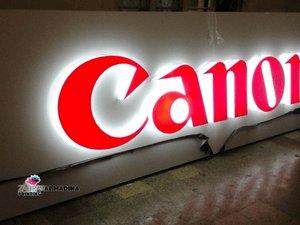
- Illuminated acrylic signs: Acrylic faces can be combined with suitable LED lighting to make letters or panels visible in low-light conditions.
Not every style suits every setting. A clear panel may be difficult to read against a busy background, while raised letters need enough contrast to stand out. Reviewing a sample or design proof before production can help identify these issues.
3. Choose the Right Thickness and Finish
The thickness of an acrylic panel affects its strength, weight, appearance, and mounting requirements. Thin sheets may suit small indoor labels, while larger panels may need thicker material or additional support. The correct choice depends on the panel dimensions, installation method, and conditions where the sign will be used.
The finish also changes the final look. Glossy acrylic reflects more light and can create a polished appearance, but reflections may make text harder to read in some locations. A matte or frosted finish can reduce glare and suit spaces where people need to read information from different angles.
Colour should be selected with the background in mind. For example, dark lettering on a light panel can provide strong contrast, while white letters may stand out against a darker backing. The logo and text should remain easy to recognise under the actual lighting conditions.
Before confirming production, check the thickness, colour, finish, panel size, and edge treatment. These details can affect the finished sign more than small decorative additions.
4. Use Acrylic Signs for Reception and Office Areas
Reception areas often create the first impression visitors have of a workplace. A sign displaying the business name or logo can help identify the company and make the entrance easier to recognise. Acrylic works well in these areas because it can be shaped into clean letters or mounted as a flat panel.
For a wall-mounted reception sign, the size should suit the wall rather than fill every available space. Leave enough room around the lettering so the name remains clear. The reception desk, lighting, furniture, and wall colour should also be considered when choosing the design.
Inside offices, acrylic signs can identify departments, meeting rooms, staff areas, and private spaces. Consistent fonts and colours help people understand the layout without having to ask for directions. Room names should use familiar terms and remain readable from the corridor.
Acrylic can also be combined with metal spacers or other mounting parts to create a small gap between the sign and the wall. This can add depth, but the fixings must be suitable for the panel size and wall surface.
5. Consider Acrylic Signs for Shops and Outdoor Use
Retail shops use signs to show their names, identify entrances, display opening hours, and share important information. Acrylic can be used for some of these purposes, particularly where a smooth finish and clear lettering are needed.
For an indoor shop sign, printed acrylic or raised letters may work well behind a counter or near a product display. The text should remain readable among shelves, lights, and promotional material. If the sign includes prices or changing offers, make sure the information can be updated without replacing the whole panel.
Outdoor use requires more care. Acrylic can be affected by impact, temperature changes, and long exposure to sunlight, depending on its grade and installation conditions. It may also become scratched if cleaned with unsuitable tools or chemicals. A sign installed outdoors should use material and fixings rated for the expected conditions.
Businesses considering custom signage dubai should assess the heat, dust, direct sunlight, and exposure at the intended location. Acrylic may be suitable for some outdoor signs, but other materials or a protected installation may be more practical for certain sites. Local sign permissions and building requirements should also be checked before installation.
6. Match the Lettering and Colours to the Message
A sign should be understood quickly. People often look at a sign while walking through a building or passing a shop, so the wording needs to be clear and the design should not contain unnecessary details.
Choose a font that is easy to read. Decorative lettering may suit a particular logo, but it can be difficult to understand when used for small room labels or directional messages. Keep enough space between letters and lines, and avoid placing too much text on a small panel.
Colour contrast is equally important. If the letters and background are too similar, the message may disappear from a distance. Strong contrast can improve visibility, but the colours should still fit the surrounding space and any existing brand guidelines.
Think about viewing distance before setting the letter size. A sign on a reception desk can use smaller text than a sign mounted high above a shop entrance. If the sign contains several details, make the main information more prominent and keep supporting text smaller without making it difficult to read.
7. Plan Installation Before Ordering the Sign
Acrylic signs can be mounted in different ways, including screws, standoffs, suitable adhesives, or a supporting frame. The best method depends on the sign’s size, weight, location, and the type of wall or surface.
Measure the installation area before production. Check for switches, door frames, wall joints, lighting fixtures, and other items that may affect placement. For larger signs, confirm that the mounting surface can support the complete assembly.
Adhesive mounting may suit some small, lightweight indoor signs, but it is not appropriate for every surface or condition. Dust, moisture, heat, and uneven walls can affect how well an adhesive holds. Mechanical fixings may be more suitable for larger panels, although they require correct drilling and secure installation.
It is helpful to mark the planned position before making permanent holes. A full-size paper template can show the spacing and alignment of letters or fixing points. This simple check may prevent uneven installation and reduce the chance of damage.
For high-level or outdoor signs, installation should be handled by people with the right equipment and training. Electrical work is also required when the sign includes lighting, and it should be completed by a qualified person.
8. Understand the Cost of Acrylic Signage
The price of an acrylic sign depends on more than the size of the panel. Material thickness, cutting method, colour, printing, raised letters, lighting, mounting parts, and installation can all affect the total cost.
A small room label is usually simpler to produce than a large reception sign with individually cut letters. A design with several layers or illuminated elements may require more materials and assembly time. Complex logos can also need careful cutting and finishing.
When comparing quotations, check that each supplier is pricing the same specifications. Compare the dimensions, acrylic type, thickness, finish, lettering method, mounting system, delivery, and installation. A low price may not include all these items.
It is also worth considering future changes. If room names or office details may change, separate panels or replaceable inserts could make updates easier. For signs that will remain in place for years, spending more on suitable materials and secure mounting may help avoid early replacement.
Zahrat Al Madina Printing is one example of a business in Dubai that provides printing and signage-related services. When reviewing any supplier, focus on the proposed specifications, production details, installation plan, and terms rather than relying on appearance alone.
9. Keep Acrylic Signs Clean and in Good Condition
Acrylic signs need regular cleaning to remain clear and presentable. Dust and fingerprints can collect on the surface, particularly around reception desks and entrances. Use a soft cloth and a cleaning product that is safe for acrylic.
Avoid rough sponges, abrasive cleaners, and harsh chemicals unless the material manufacturer confirms they are suitable. These products can scratch the surface or cause damage. Follow the supplier’s care instructions, especially for printed, coated, or illuminated signs.
Check the sign from time to time for loose fixings, cracks, faded graphics, or sections that have become difficult to read. Signs near entrances may need more frequent cleaning than those in quieter indoor areas. Outdoor signs should also be checked for damage caused by weather or impact.
If a sign includes lighting, look for uneven brightness or flickering. Electrical faults should be checked by a qualified person. Repairing small problems early can help keep the sign safe and useful.
Final Thoughts
Acrylic signs offer a range of options for offices, shops, reception areas, and other business spaces. Their appearance depends on the material, finish, lettering, colours, and way they are installed. The best choice is not always the most complex design; it is the one that displays the right information clearly and suits its location.
Before ordering, confirm the dimensions, viewing distance, mounting method, material requirements, and total cost. Choose cleaning methods that protect the surface and check the sign regularly after installation. With sensible planning and care, an acrylic sign can remain useful and presentable for years.