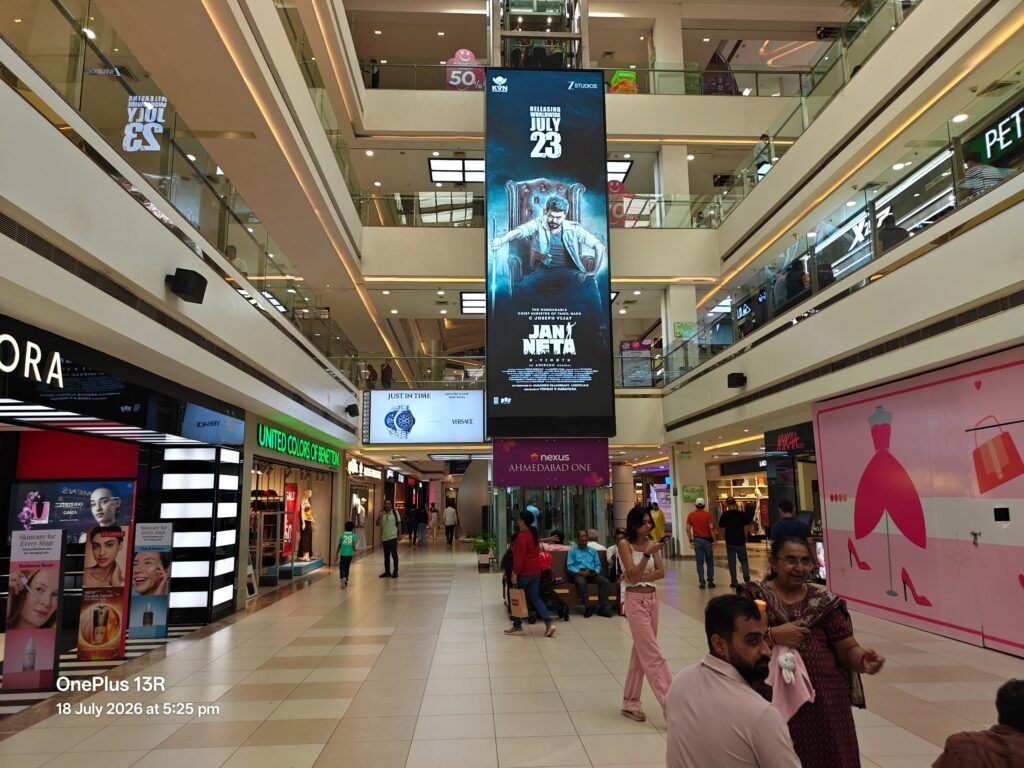

Shopping malls have evolved into more than destinations for retail. They bring together shoppers, families, professionals and entertainment seekers in spaces where brands can communicate with audiences throughout their visit. This makes malls an important environment for Out-of-Home advertising, offering multiple opportunities to capture attention through strategically placed media.
A mall advertising agency plays an important role in planning these opportunities. By understanding the layout of a mall, movement of visitors and characteristics of its audience, advertising campaigns can be positioned in locations that encourage attention and engagement.
Understanding the Value of Mall Footfall
One of the defining advantages of mall advertising is the steady movement of people through different areas of the property. Entrances, atriums, corridors, food courts, escalators, parking areas and entertainment zones can all provide opportunities for communication.
However, footfall alone does not determine the success of a campaign. The quality of the audience interaction also matters. A strategically positioned advertisement can become part of the shopper’s journey, allowing the brand message to be seen repeatedly during a single visit.
This repeated exposure can help improve familiarity and recognition, particularly for campaigns with consistent creative communication.
Choosing the Right Mall Media
Different mall advertising formats serve different purposes. Large format displays can create an immediate visual statement, while pillar branding and escalator panels can provide repeated exposure as visitors move through the property.
Digital screens offer another option for dynamic communication, allowing brands to display different creatives or messages at selected times. Atrium installations and experiential spaces can go further by encouraging visitors to interact directly with a campaign.
A mall advertising agency can help determine which formats are appropriate based on the campaign objective, audience and available space.
Connecting With Shoppers Through Creative Ideas
Mall audiences are not simply passing through a location. Many visitors spend considerable time shopping, dining, watching movies and socialising. This creates opportunities for brands to develop advertising that goes beyond conventional displays.
Creative installations, product demonstrations, interactive activities and branded experiences can encourage people to stop and engage. When an advertisement becomes part of the environment rather than simply another display, it can create a more memorable interaction.
The creative concept should still remain simple and recognisable. Clear branding and an easily understood message can help ensure that the experience contributes to overall brand recall.
Using Location to Influence Engagement
The position of a campaign within a mall can significantly influence how audiences experience it. High traffic areas may provide greater exposure, while locations where visitors naturally pause can offer better opportunities for engagement.
For example, an advertisement near a food court may reach people while they are taking a break, whereas branding near an entertainment zone can connect with visitors before or after an activity.
Understanding these behavioural patterns allows advertisers to select locations based on more than visibility alone.
Integrating Mall Advertising With OOH Campaigns
Mall advertising can also complement wider Out of Home campaigns. A consistent creative message across outdoor media and mall environments can help audiences encounter the same campaign at different stages of their daily journey.
For brands launching a new product or entering a new market, this combination can create broader exposure while allowing malls to provide a more interactive environment.
The use of different formats also gives advertisers flexibility. Large outdoor displays can establish awareness, while mall advertising can provide additional opportunities for closer audience engagement.
Planning a More Effective Mall Campaign
A successful campaign starts with a clear understanding of the intended audience and communication objective. Advertisers should consider the mall’s location, visitor profile, footfall patterns, available media formats and campaign duration before selecting placements.
Creative execution should then be adapted to the environment. A message designed for a roadside billboard may not work in the same way inside a shopping mall. Mall audiences can often be approached with more detailed visual experiences because they may have more time to interact with the communication.
Monitoring campaign execution is equally important. Ensuring that displays remain properly positioned and visible throughout the campaign helps maintain consistency and media quality.
Turning Footfall Into Brand Interaction
The real potential of mall advertising lies in transforming audience movement into meaningful opportunities for communication. A well planned campaign can become part of the shopping experience through relevant placement, creative execution and carefully selected formats.
With the right strategy, mall spaces can support product launches, corporate campaigns, seasonal promotions, entertainment promotions and consumer focused initiatives. Instead of simply relying on the number of people passing through a mall, advertisers can focus on how those visitors experience and remember the brand.
For this reason, working with a capable mall advertising agency can help brands make better use of retail environments. Strategic planning can turn high footfall into valuable brand interactions and create advertising experiences that remain memorable even after shoppers leave the mall.